

 News
News  Coin Information
  About us
  Customer Service



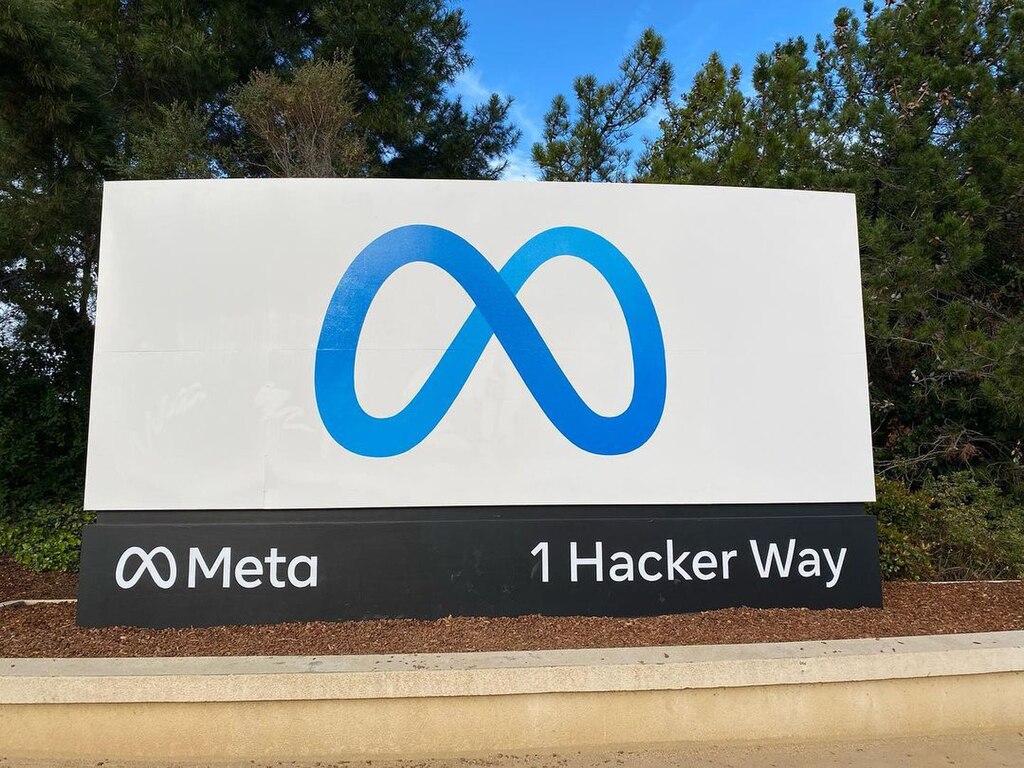
Meta has reversed its decision to pull Horizon Worlds from Quest VR headsets, walking back the announcement just 24 hours after it was made. Chief Technology Officer Andrew Bosworth confirmed the change via Instagram, attributing the U-turn to user feedback. Existing VR games will remain accessible for the foreseeable future, though no new titles will be added to the platform going forward.
The original plan would have shifted Horizon Worlds entirely to its standalone mobile app, which launched in 2023. Under the revised approach, worlds built with the Horizon Unity game engine will stay playable in VR. However, Bosworth made clear where the company's priorities now lie: "Most of our energy is going towards mobile and the Meta Horizon Engine there."
While the partial reversal offers some relief to the VR community, it does little to change the bigger picture. Meta's metaverse division, Reality Labs, recorded $19.2 billion in operating losses in 2025 alone, with cumulative losses nearing $80 billion since late 2020 against a modest $2.2 billion in total revenue. Horizon Worlds itself never broke through to mainstream adoption, peaking at only a few hundred thousand monthly active users — a fraction of what competitors like Roblox achieve daily with over 100 million players.
The numbers tell a clear story. Meta has redirected its resources heavily toward artificial intelligence, projecting capital expenditure of $115 to $135 billion for 2026, with AI infrastructure taking the lion's share. Earlier this year, the company cut approximately 1,000 Reality Labs jobs and shut down several VR game studios.
The metaverse concept that drove Meta to rebrand from Facebook in 2021 remains technically alive, but the company has unmistakably shifted gears. What was once a defining vision has quietly become a legacy project running on borrowed time.












Comment 0