

 News
News  Coin Information
  About us
  Customer Service


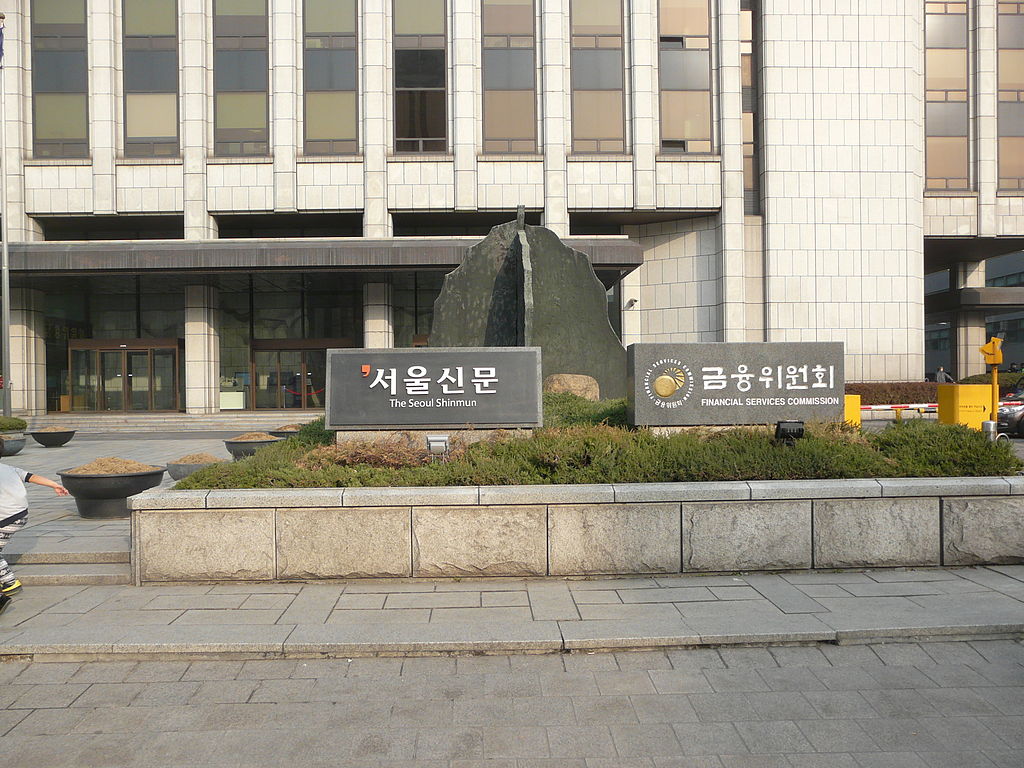
South Korea’s cryptocurrency industry is entering 2026 under mounting uncertainty after the Financial Services Commission (FSC) reportedly proposed limiting major shareholders of crypto exchanges to ownership stakes of 15–20%. The proposal, revealed between December 30 and 31, has sent shockwaves through the market, as it would require founders and controlling shareholders of the country’s largest exchanges to divest significant portions of their holdings.
Under the proposed Digital Asset Basic Act, the FSC aims to reshape crypto exchanges into quasi-public financial infrastructure, similar to Alternative Trading Systems regulated under Korea’s Capital Markets Act. This would mark a major shift away from founder-controlled ownership models toward dispersed shareholding and stricter governance. In addition, exchanges would move from a registration-based framework to a full licensing regime, including rigorous “fit and proper” reviews of major shareholders, a standard traditionally applied to banks and securities firms.
The implications are substantial for Korea’s top exchanges, including Upbit, Bithumb, Coinone, Korbit, and GOPAX. Major shareholders—ranging from founders to conglomerates and foreign firms—could be forced to sell between 5% and over 50% of their current stakes. Industry executives warn that deals nearing completion have been paused, as the new ownership caps fundamentally alter valuation and control assumptions.
High-profile transactions are already at risk. Naver’s planned merger with Dunamu, valued at roughly 20 trillion won ($14 billion), faces structural incompatibility with the proposed rules, while Mirae Asset’s acquisition plans for Korbit may lose strategic appeal without management control. At the same time, the FSC appears open to easing long-standing barriers between traditional finance and crypto, potentially allowing banks, securities firms, and asset managers to invest in exchanges. This shift could accelerate institutional participation, security token offerings, and real-world asset tokenization.
Despite these potential benefits, industry players have voiced strong opposition, citing concerns over property rights, weakened accountability, and competitive disadvantages versus foreign platforms. While regulators emphasize that the proposal is still under discussion and may include a multi-year transition period, South Korea’s bold move toward retroactive ownership dispersion is unprecedented. With over 11 million crypto users, the outcome could influence global regulatory approaches to crypto exchange governance for years to come.













Comment 0