Saudi Aramco Studies Two More Oil Export Routes as Hormuz Risks Persist
The company is examining additional overseas storage, including in Japan, while keeping existing alternatives available through the Red Sea and Egypt.

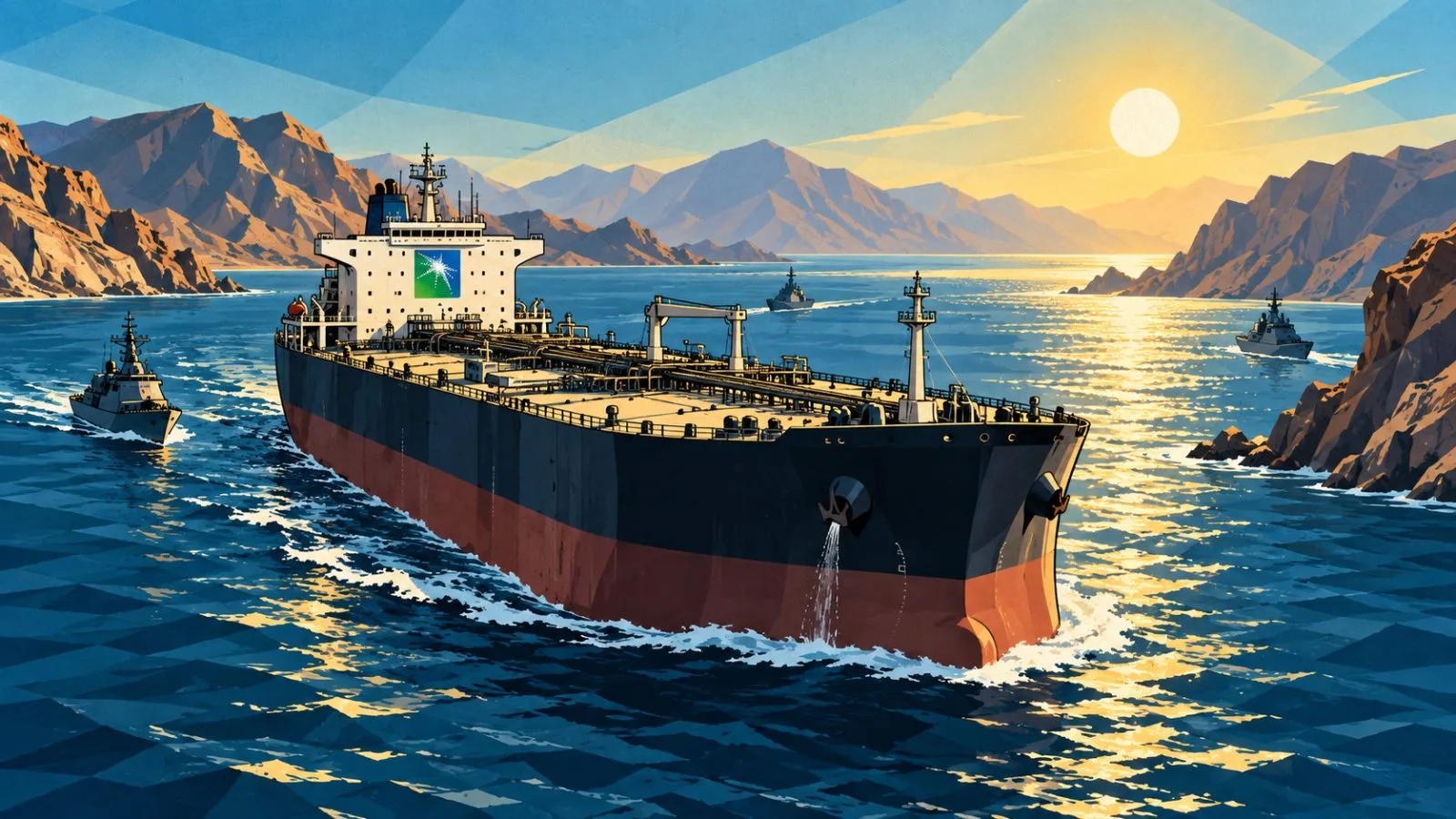
Saudi Aramco is evaluating two new crude-shipping routes to lessen the impact of potential disruptions near the Strait of Hormuz and in the Red Sea, President and CEO Amin Nasser said Sept. 24.
Aramco is conducting engineering and feasibility work on what Nasser described as “a fourth and a fifth route.” The company has not disclosed the proposed routes’ locations, capacities, costs or completion dates.
The company is also examining additional overseas storage capacity, including in Japan. Nasser said Aramco can use Egypt’s 320-kilometer Sumed pipeline to move crude from the Red Sea to the Mediterranean.
Aramco has three primary crude-export routes. Its existing alternatives include the East-West pipeline, Red Sea export terminals and access to the Sumed pipeline.
Attacks on Sept. 10 affected the East-West pipeline, which was shut as a precaution. The pipeline has an official pumping capacity of approximately 7 million barrels per day.
Aramco maintained business continuity during disruption around the Strait of Hormuz by using the East-West pipeline, storage capacity and export terminals.
“People think about interruptions in Hormuz, interruptions in Bab-el Mandeb, [but] we never stopped. We continue to supply our customers,” Nasser said.
He added that the company could shift vessels between routes and use its “multiple optionality” to meet customer demand.
The proposed routes would add to Aramco’s existing options, but the company has not announced a construction timetable or capacity figures. Nasser also said the company is reviewing additional storage as it prepares for potential disruption affecting key crude-shipping corridors.