

 News
News  Coin Information
  About us
  Customer Service


 Add as a preferred source on Google

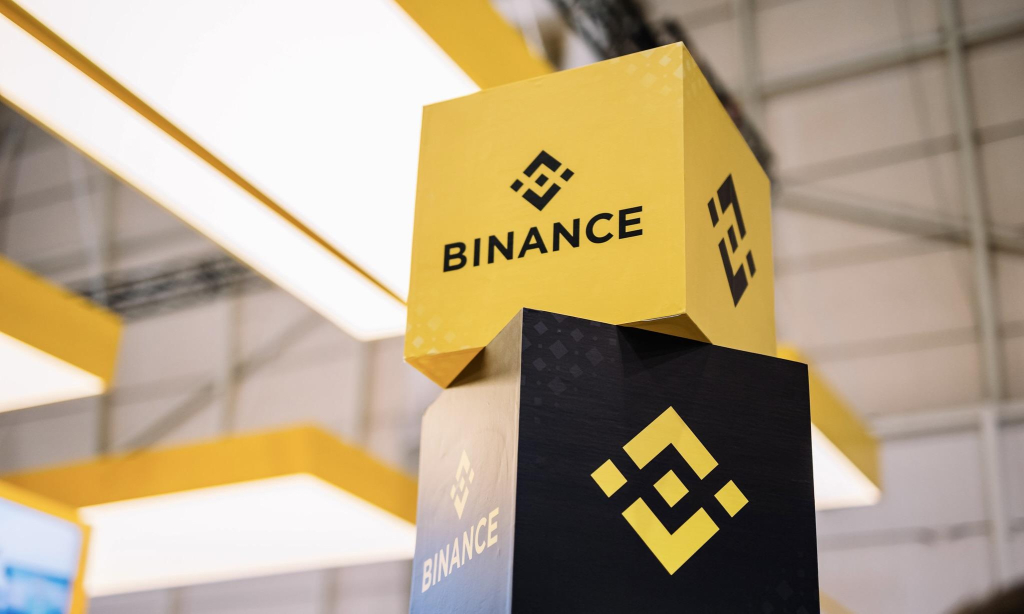
Binance is firmly denying allegations that its internal investigators uncovered more than $1 billion in Iran-linked crypto transactions and were later dismissed for raising concerns. The claims, first reported on February 13, have intensified scrutiny on the world’s largest cryptocurrency exchange and sparked debate over crypto compliance, sanctions enforcement, and stablecoin oversight.
According to the report, Binance’s compliance team allegedly identified over $1 billion in transactions connected to Iranian entities between March 2024 and August 2025. The transfers reportedly involved Tether (USDT) on the Tron blockchain, a network that regulators have frequently associated with sanctions-related risks. The article also claimed that at least five senior compliance investigators, some with law enforcement backgrounds, were terminated after flagging the transactions internally.
Binance has categorically rejected these allegations. In a public statement, Co-CEO Richard Teng stated that no sanctions violations were found and no employees were fired for raising compliance concerns. The exchange emphasized that it conducted a comprehensive internal review with external legal counsel and found no evidence of sanctions breaches tied to the reported activity.
In a formal response, Binance described the claims as materially inaccurate and misleading. The company reiterated that no personnel decisions were linked to whistleblowing or sanctions-related investigations. It also highlighted its whistleblower protections and adherence to employment laws across jurisdictions.
The controversy comes amid heightened regulatory scrutiny following Binance’s $4.3 billion settlement with U.S. authorities in 2023 over anti-money laundering and sanctions violations. Since then, Binance says it has significantly strengthened its sanctions screening, transaction monitoring, and compliance infrastructure to meet monitorship requirements.
The broader issue underscores ongoing concerns about stablecoins like USDT and their potential use in sanctions evasion. Blockchain analytics firms including TRM Labs, Chainalysis, and Elliptic have previously reported increased use of USDT by Iranian-linked actors to bypass traditional financial systems.
With no new enforcement action announced, the situation remains a clash between investigative reporting and corporate denial, highlighting the evolving challenges of crypto regulation, transparency, and trust in the digital asset industry.













Comment 0