
Bitcoin's Reaction to the Iran War Mirrors the Ukraine War Pattern
Bitcoin's price behavior during the early stages of the Iran conflict closely resembles how the cryptocurrency responded when Russia invaded Ukraine in February 2022. Both episodes share a recognizable three-phase seq…


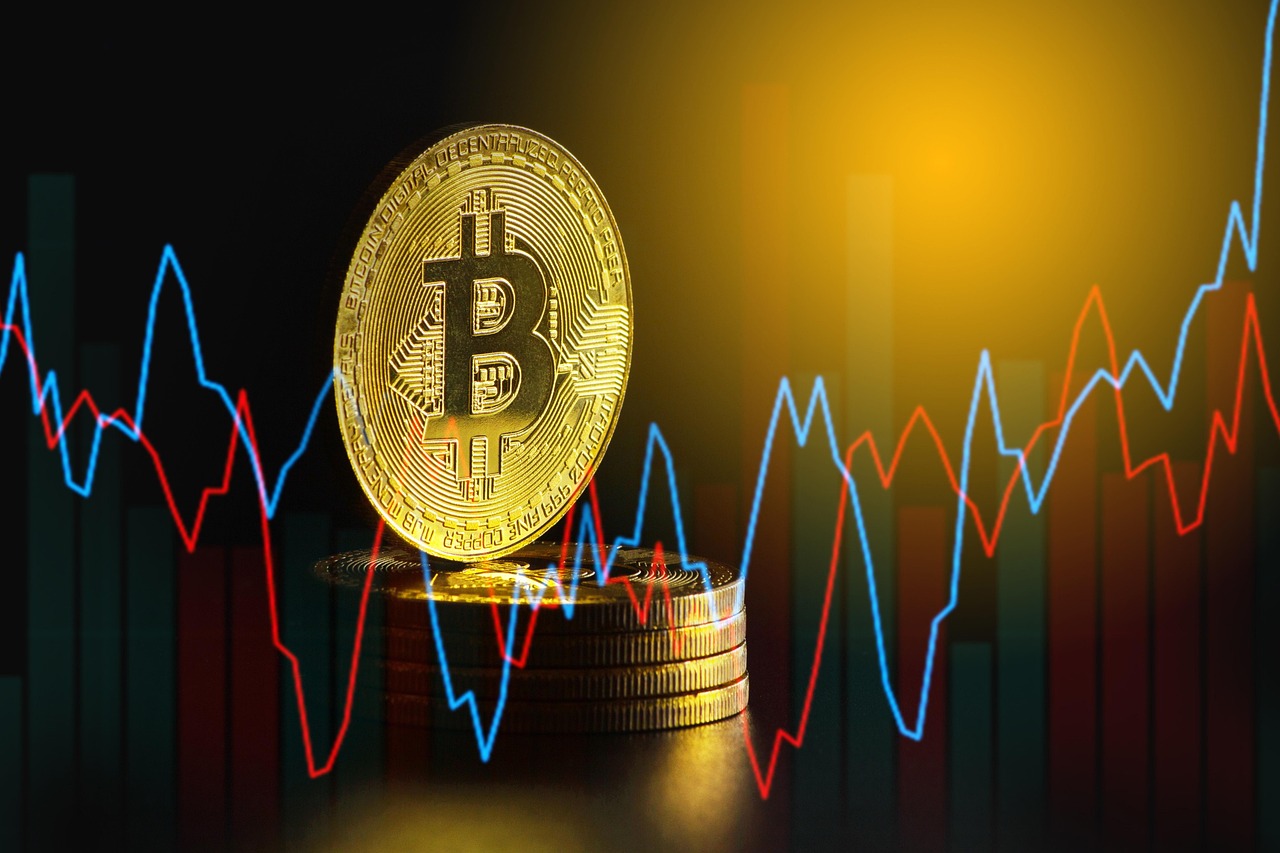
Bitcoin's price behavior during the early stages of the Iran conflict closely resembles how the cryptocurrency responded when Russia invaded Ukraine in February 2022. Both episodes share a recognizable three-phase sequence: an initial panic-driven sell-off, a swift recovery, and a period of range-bound volatility as markets digest the geopolitical uncertainty.
When the Ukraine war broke out, Bitcoin dropped sharply before rebounding within days as traders quickly reassessed the broader economic implications. A nearly identical pattern emerged following the U.S. and Israeli strikes on Iran around February 28, 2026. The asset dipped on the initial news but recovered toward the $70,000–$73,000 range in the weeks that followed, suggesting markets moved fast to price in the shock.
Momentum indicators support this comparison. Bitcoin's Relative Strength Index fell into oversold territory during both conflicts before bouncing back, a movement that typically reflects panic selling giving way to aggressive dip buying. The RSI behavior in early 2026 closely tracks what was observed in the first month of the Ukraine war, reinforcing the idea that geopolitical crises tend to produce short-term fear before confidence returns.
Capital flow data tells a similar story. The Chaikin Money Flow indicator recovered gradually after the Ukraine invasion, signaling renewed buying pressure. During the Iran conflict, CMF has also trended back toward positive territory, though with greater volatility, pointing to short-term trading activity rather than sustained institutional accumulation.
Taken together, these signals suggest Bitcoin is unlikely to collapse under the current geopolitical pressure. Instead, the market appears to be adapting to war risk through a familiar cycle of fear, recovery, and consolidation. If the Ukraine war parallel holds, Bitcoin could continue trading sideways with a gradual upward bias as dip buyers remain active and geopolitical risk becomes increasingly priced into the market.
Riza Dagoc
Riza Dagoc reports on regulation, investing and the digital-asset business for TokenPost. Send corrections or tips to info@tokenpost.com.