
Nasdaq Sees SEC’s Crypto Shift Fueling Blockchain Innovation
Nasdaq President Tal Cohen says the U.S. Securities and Exchange Commission’s evolving approach to crypto regulation is opening new opportunities for blockchain innovation, tokenization, and digital asset infrastructu…

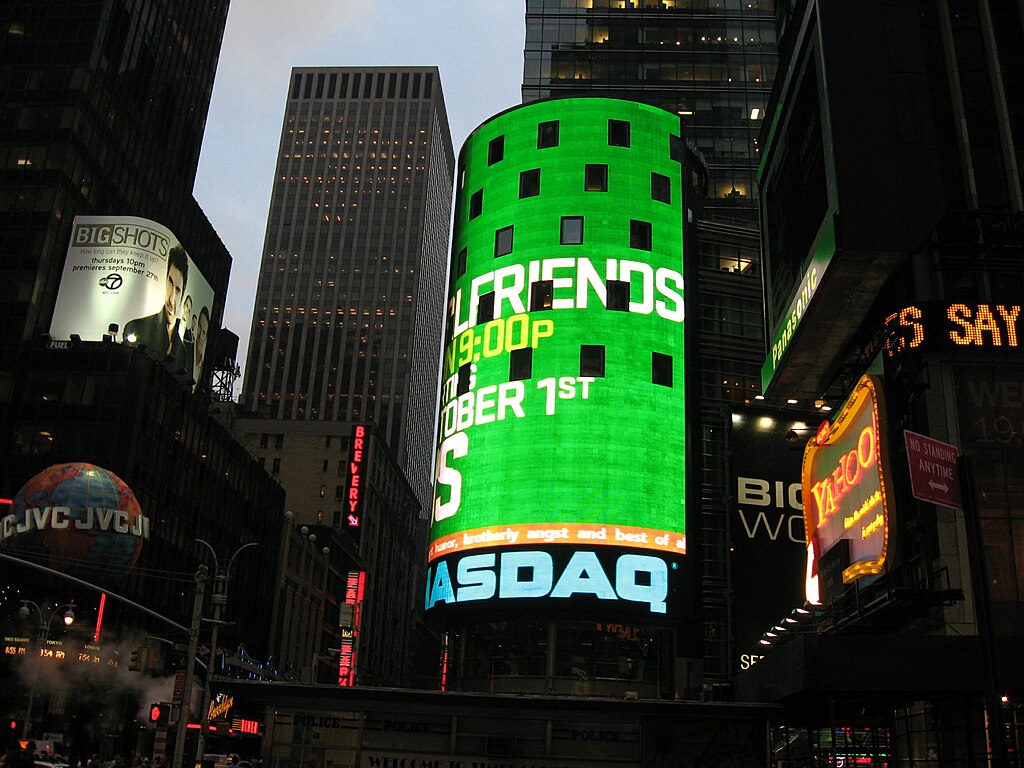
Nasdaq President Tal Cohen says the U.S. Securities and Exchange Commission’s evolving approach to crypto regulation is opening new opportunities for blockchain innovation, tokenization, and digital asset infrastructure. Speaking at the Consensus conference in Miami, Cohen explained that financial firms finally feel confident enough to experiment with blockchain technology after years of regulatory uncertainty.
According to Cohen, the crypto industry previously operated in what he described as a “no-fly zone” because of unclear regulations. Today, however, companies have more freedom to develop blockchain-based financial systems, test tokenized assets, and scale digital finance projects without immediate regulatory pressure. He emphasized that the SEC’s current stance is far more constructive and proactive compared to previous years.
Nasdaq, which powers trading technology for more than 130 financial markets worldwide, is actively investing in blockchain infrastructure, artificial intelligence, and tokenization solutions. Cohen said the company is focused on building “always-on” market systems that can support near 24/7 trading while improving the movement of securities, collateral, and capital across global markets.
A major challenge for the financial industry remains interoperability between traditional financial systems and digital asset platforms. Cohen noted that firms do not want separate infrastructures for conventional securities and tokenized assets. Instead, the goal is to merge both systems into a unified financial framework that delivers the benefits of traditional finance alongside blockchain efficiency.
Cohen also highlighted the growing importance of tokenization in modern finance. He said tokenized assets could improve liquidity, simplify trading and financing, and provide issuers with deeper insights into shareholder activity. “What it really does is take an asset and put it in motion,” Cohen explained during the event.
In addition to blockchain initiatives, Nasdaq is testing AI-powered systems that simulate trading activity through digital replicas of its matching engine. The company believes artificial intelligence can help improve software reliability, analyze market stress scenarios, and support the transition toward extended trading hours in global financial markets.
Riza Dagoc
Riza Dagoc reports on regulation, investing and the digital-asset business for TokenPost. Send corrections or tips to info@tokenpost.com.