
China Sets 2026 Timeline to Accelerate Digital Yuan Development Under New PBOC Action Plan
China is moving forward with the accelerated development of its central bank digital currency, the digital yuan (e-CNY), following the approval of a new action plan by the People’s Bank of China (PBOC). According to o…

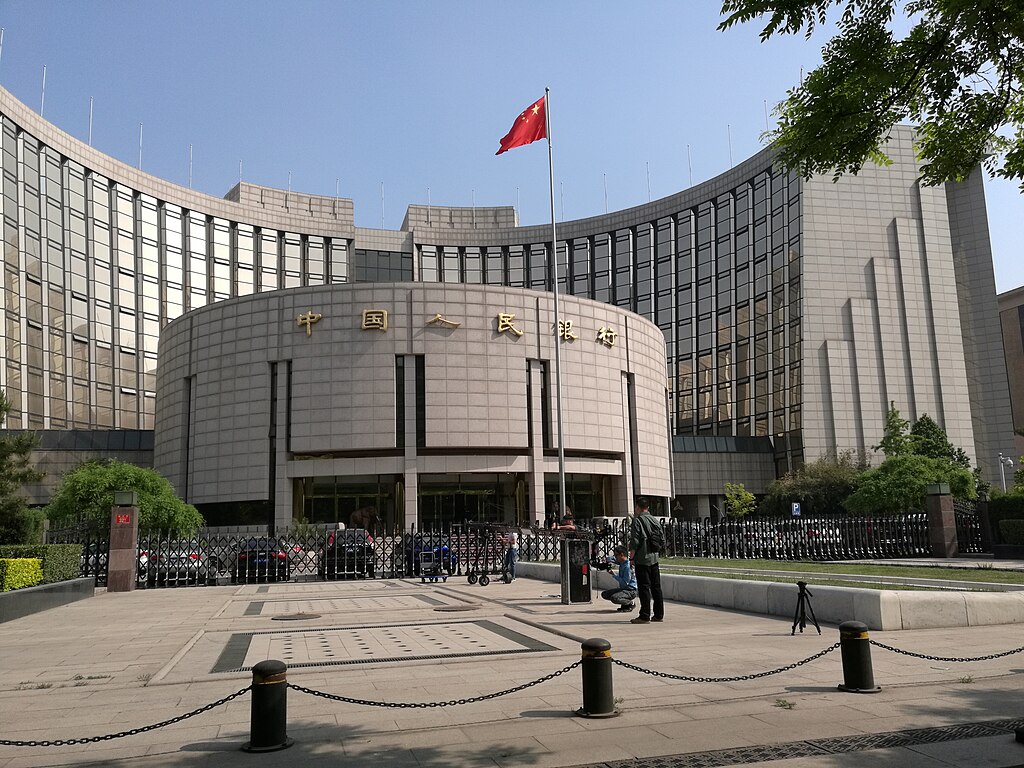
China is moving forward with the accelerated development of its central bank digital currency, the digital yuan (e-CNY), following the approval of a new action plan by the People’s Bank of China (PBOC). According to official disclosures, the “Action Plan on Further Strengthening the Construction of Digital RMB Management Service System and Related Financial Infrastructure” will come into force on January 1, 2026, marking a new phase in the country’s digital currency strategy.
The action plan establishes a comprehensive framework for the standardized issuance, management, and supervision of the digital yuan within China’s financial system. The PBOC emphasized that the primary objectives are to enhance payment system efficiency, strengthen financial stability, and modernize monetary infrastructure. Deputy Governor Lu Lei highlighted that the central bank will retain full control over the technology and governance of the digital yuan, ensuring centralized oversight of its core systems.
China’s digital currency research began in 2014, with the formal launch of the DC/EP (Digital Currency/Electronic Payment) initiative in 2016. Since then, pilot programs for the digital yuan have steadily expanded across domestic and select international use cases. These pilots rely on a hybrid architecture that combines account-based mechanisms with elements of blockchain technology, allowing transactions through software wallets or offline-capable hardware wallets.
By the end of November 2025, digital yuan adoption had reached significant scale, with approximately 3.48 billion transactions totaling 16.7 trillion yuan. More than 230 million individual wallets and over 19 million institutional wallets have been opened. In cross-border payments, the mBridge platform processed over 4,000 transactions, amounting to nearly 387 billion yuan, underscoring China’s ambitions in global digital currency infrastructure despite international scrutiny.
Although the Bank for International Settlements withdrew from mBridge over concerns related to sanctions and global currency dominance, Chinese authorities have continued refining digital yuan policies. The updated plan reaffirms the two-tier operational model, where the PBOC sets standards while commercial banks handle user-facing services. Banks will also be permitted to offer interest on digital yuan balances, encouraging wider adoption, even as regulators intensify oversight to curb renewed cryptocurrency speculation.
Riza Dagoc
Riza Dagoc reports on regulation, investing and the digital-asset business for TokenPost. Send corrections or tips to info@tokenpost.com.