
China’s Yuan Strategy Is Quietly Shaping Bitcoin and Global Liquidity
China’s response to President Donald Trump’s aggressive trade policy is having far-reaching effects beyond traditional markets, quietly reshaping global cash flows and influencing crypto prices, particularly bitcoin. …


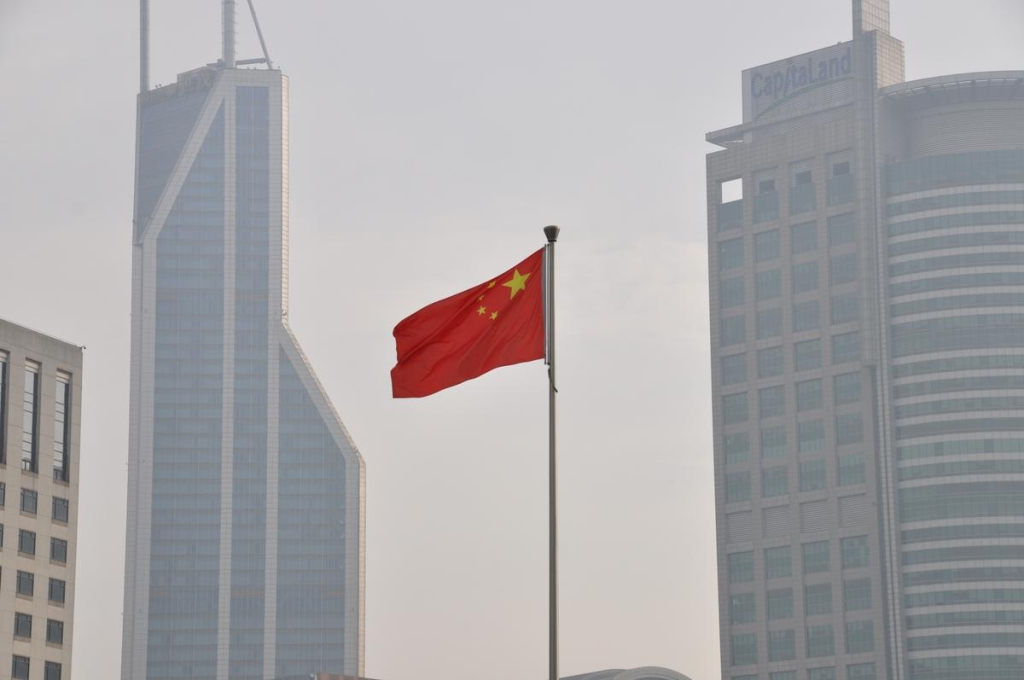
China’s response to President Donald Trump’s aggressive trade policy is having far-reaching effects beyond traditional markets, quietly reshaping global cash flows and influencing crypto prices, particularly bitcoin. Since returning to office early last year, Trump has imposed steep tariffs on nearly all U.S. imports, with Chinese goods facing some of the heaviest levies. As of January 2026, the average U.S. tariff on Chinese imports stands at roughly 29.3%, intensifying trade tensions between the world’s two largest economies.
Rather than responding loudly, Beijing has leaned on a familiar but powerful tool: tight management of the yuan’s exchange rate. According to a recent JPMorgan note, China’s controlled FX strategy has helped preserve export competitiveness and limit deflationary pressures at home. At the same time, it has amplified dollar-led liquidity cycles during periods of trade stress, effectively magnifying global financial ripples.
This dynamic matters for bitcoin and the broader crypto market. Bitcoin has increasingly traded like a macro-sensitive asset, falling during tariff-driven risk-off episodes when dollar liquidity tightens, and rebounding as tensions ease. That pattern was clearly visible during the March–April period last year, when escalating trade frictions weighed on global markets before liquidity conditions improved.
Unlike the U.S., where crypto prices are influenced more directly through capital flows such as spot bitcoin ETFs and alternative investment vehicles, China’s impact is indirect. It flows through exchange rate management, global liquidity transmission, and the dollar’s dominant role in international finance. This view aligns with arguments from Arthur Hayes, who has long suggested that U.S.-China trade disputes are largely performative, while real economic adjustments occur through FX policy, capital controls, and Treasury-driven liquidity management.
JPMorgan’s Asia outlook underscores China’s resilience. Despite U.S. tariffs, real Chinese exports are projected to grow around 8% in 2025, with global market share rising to about 15%. U.S.-bound exports now account for less than 10% of the total, reflecting diversification toward ASEAN and other regions. The yuan has strengthened modestly from its 2023 lows, but remains tightly range-bound, with policymakers signaling little appetite for sustained appreciation.
For crypto investors, this means the focus is less on yuan strength itself and more on how China’s managed FX regime interacts with tariffs and dollar liquidity to shape the macro backdrop in which bitcoin trades.
Riza Dagoc
Riza Dagoc reports on regulation, investing and the digital-asset business for TokenPost. Send corrections or tips to info@tokenpost.com.