

 News
News  Coin Information
  About us
  Customer Service


 Add as a preferred source on Google

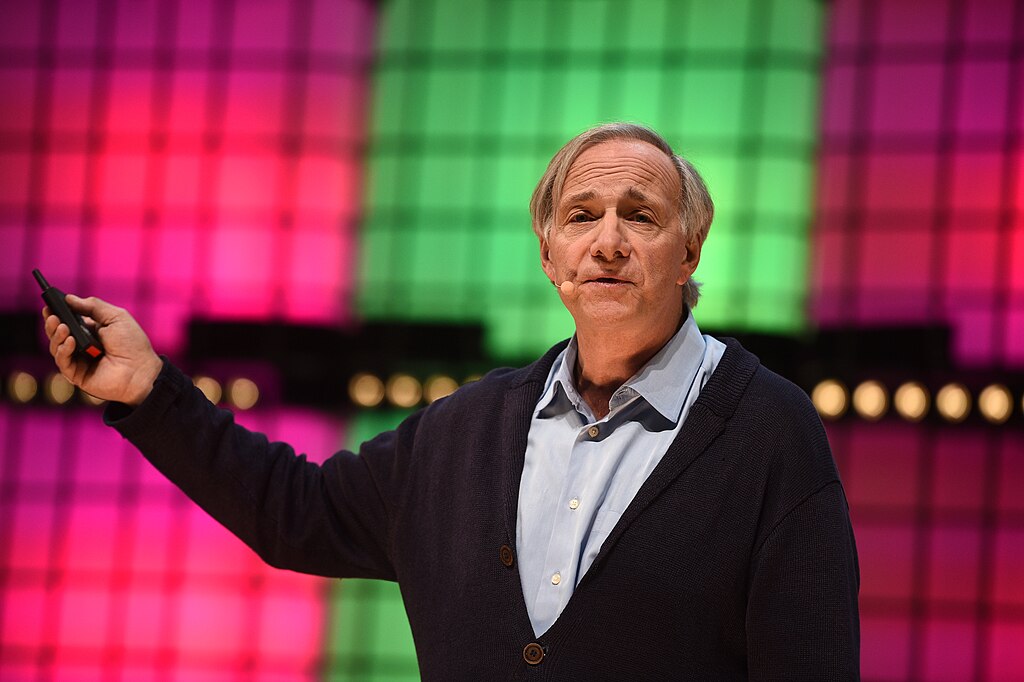
Billionaire hedge fund manager Ray Dalio has once again voiced skepticism about bitcoin, arguing that the world’s largest cryptocurrency does not share the core characteristics that make gold a dependable store of value. His comments have reignited debate across the cryptocurrency industry, with analysts and crypto experts responding to his concerns about bitcoin’s long-term viability.
Speaking on the All-In Podcast, the founder of Bridgewater Associates explained that bitcoin should not be directly compared to gold. According to Dalio, gold has centuries of history and strong support from central banks, while bitcoin lacks that institutional backing. He also raised concerns about the transparency of bitcoin’s public blockchain, noting that transactions can be tracked and potentially monitored. Dalio added that advancements in quantum computing could eventually pose a threat to bitcoin’s cryptographic security.
Dalio has expressed similar concerns in the past. Although he acknowledged previously holding roughly a 1% allocation to bitcoin in his investment portfolio, he has repeatedly questioned whether the cryptocurrency can function as a true global reserve asset. In his view, issues like transaction traceability and potential technological vulnerabilities remain significant obstacles.
However, many cryptocurrency analysts argue that these criticisms are well known and already reflected in bitcoin’s valuation. Matt Hougan, chief investment officer at Bitwise Asset Management, said that while Dalio’s concerns about quantum computing and limited central bank adoption are valid, they also explain why bitcoin’s market capitalization remains far smaller than gold’s.
Bitcoin currently has a market value of around $1.4 trillion, compared with gold’s estimated $35 trillion market cap. Hougan suggested that these perceived risks represent future growth potential for bitcoin. He argued that if concerns such as quantum threats or institutional adoption were fully resolved today, bitcoin’s price could be significantly higher.
Industry researchers also point out that similar critiques have circulated since bitcoin’s early years. Alex Thorn, head of research at Galaxy, described Dalio’s comments as repeating arguments that were common before bitcoin’s mainstream adoption accelerated after 2017. Thorn added that developers are already exploring cryptographic upgrades that could protect the network from potential quantum computing risks.
Other analysts view the debate as part of a broader shift in the global financial system. Matthew Sigel, head of digital asset research at VanEck, believes both gold and bitcoin serve important roles in different monetary environments. Gold historically provided trust in an analog financial system built around physical reserves and custodians, while bitcoin offers transparency and verification within a digital financial ecosystem.
Sigel also emphasized that quantum computing risks extend beyond cryptocurrencies and could impact many areas of modern finance that rely on cryptography. Meanwhile, he noted that some central banks are beginning to explore exposure to digital assets, and technological improvements such as advanced wallets and second-layer networks are gradually enhancing privacy for bitcoin users.
Surveys of younger investors further suggest a generational shift toward digital assets like bitcoin, reinforcing the idea that the ongoing debate between gold and cryptocurrency reflects a transition in the global monetary landscape rather than a simple rivalry between two assets.














Comment 0