
Bitcoin Drops 3.2% as Middle East Tensions Drive Crypto Selloff
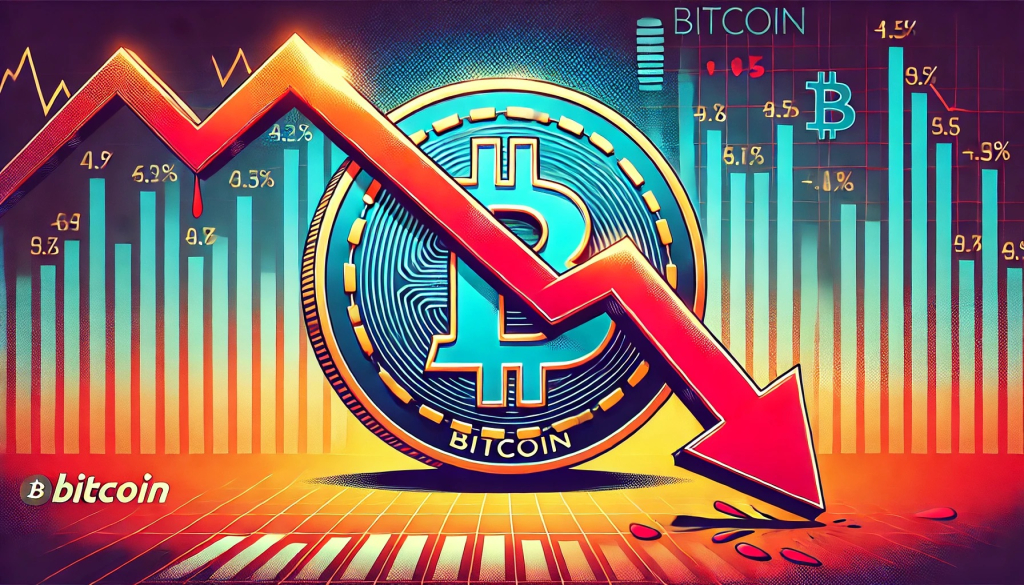
Bitcoin slid to $68,507 Friday morning, losing 3.2% in 24 hours and 2.7% on the week, continuing a now five-week streak of geopolitical whipsaws that have kept markets unstable and directionally unresolved.






Bitcoin slid to $68,507 Friday morning, losing 3.2% in 24 hours and 2.7% on the week, continuing a now five-week streak of geopolitical whipsaws that have kept markets unstable and directionally unresolved.
The trigger followed an increasingly familiar script. President Trump extended Iran's ceasefire deadline by 10 days, signaling optimism that talks were progressing. Oil briefly retreated, with Brent crude falling 1.3% to $106. Hours later, the Wall Street Journal reported Pentagon plans to deploy up to 10,000 additional ground troops to the Middle East, erasing any relief rally almost instantly.
The broader crypto market declined nearly 1%, pulling the total market capitalization to $2.4 trillion. Ether fell 4.6% to $2,050, struggling to reclaim a key support level it has tested repeatedly this month. Solana dropped 5.3% to $85.93, XRP lost 2.8% to $1.36 and is now down 6.5% weekly, while BNB and Dogecoin each shed over 2%. Tron was the lone bright spot, gaining 1.2% on the day and 2.4% on the week.
Global equities also weakened. Asian markets fell 0.6% after Wall Street hit its lowest point since September. South Korean chipmakers Samsung and SK Hynix led the KOSPI down 2.3%, while Taiwan's index declined 1.2%.
Despite the short-term turbulence, institutional activity tells a different story. Bitcoin ETFs attracted $2.5 billion in net inflows over the past month, nearly reversing January's outflows entirely. BlackRock's bitcoin ETF ranked among the top 2% of all ETFs by inflows year-to-date. Meanwhile, net exchange outflows for bitcoin last month pointed toward growing accumulation, with investors moving holdings into self-custody rather than selling. BlackRock also noted that institutional capital is concentrating in bitcoin and ether while largely avoiding smaller altcoins.
The extended Iran deadline shifts the next major market catalyst to early April.
Riza Dagoc
Riza Dagoc reports on regulation, investing and the digital-asset business for TokenPost. Send corrections or tips to info@tokenpost.com.