

 News
News  Coin Information
  About us
  Customer Service


 Add as a preferred source on Google
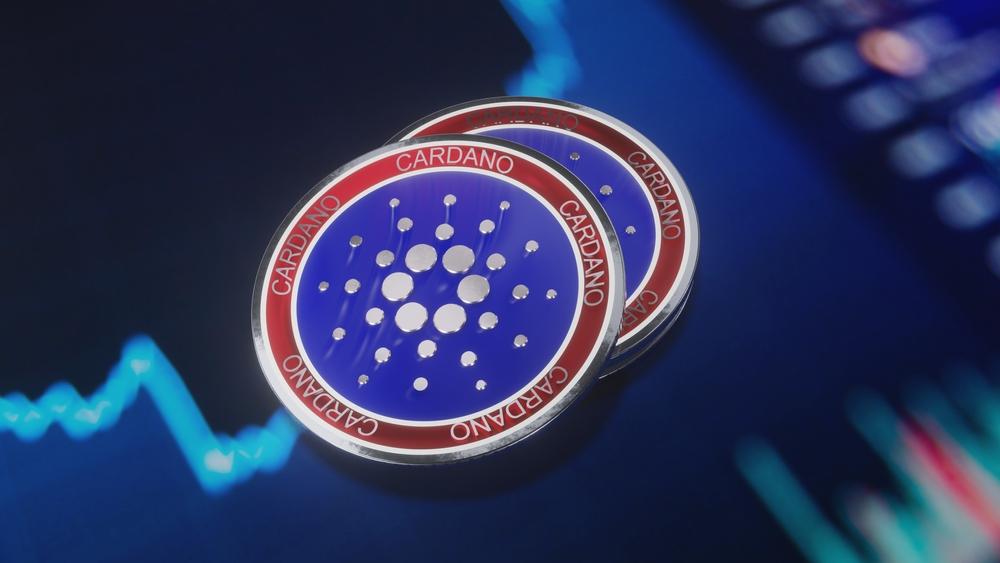
Cardano is facing one of its most serious challenges in 2026, sparking broader concerns about blockchain governance, ecosystem sustainability, and the long-term resilience of major cryptocurrencies. The crisis intensified on June 3 when Cardano founder Charles Hoskinson posted “I’m taking a break. TTYL” on X, triggering another sharp sell-off in ADA. The token plunged nearly 10% and fell to $0.15, its lowest level in more than five years.
The decline follows a series of setbacks across the Cardano ecosystem. Analytics platform TapTools recently shut down, while leading NFT marketplace JPG.Store ceased operations after entering restricted mode earlier this year. These closures have raised concerns about whether Cardano can maintain the infrastructure necessary to support user activity, developers, and investors.
ADA has lost nearly 70% of its value over the past year and remains more than 93% below its all-time high of $3.09 reached in 2021. The combination of project failures, governance disputes, and declining investor confidence has created significant pressure on the network.
Hoskinson has emphasized that he no longer controls governance decisions, treasury funds, or protocol upgrades. His comments highlighted growing tensions within the community and intensified debates about Cardano’s decentralized governance model. Despite the turmoil, on-chain activity and social media discussions surrounding ADA have surged as investors closely monitor developments.
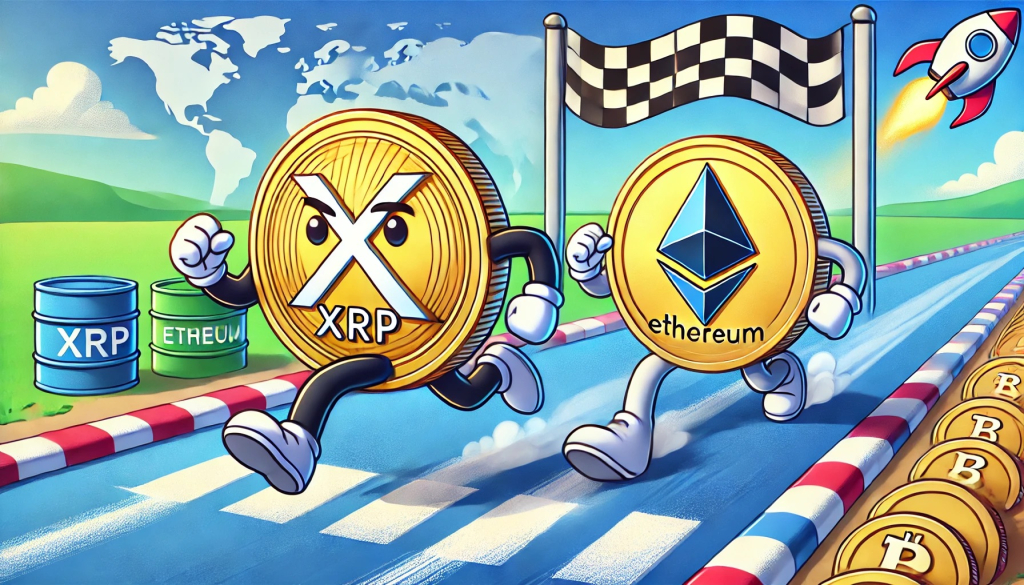
The situation has also prompted comparisons with XRP and Ethereum. While XRP benefits from strong regulatory momentum and consistent leadership from Ripple, critics argue that its governance remains heavily dependent on Ripple’s corporate structure. This concentration of influence could become a vulnerability if market confidence weakens.
Ethereum presents a different case. Vitalik Buterin has been reducing his role in day-to-day governance while encouraging greater decentralization within the Ethereum Foundation. However, questions remain about leadership succession, governance transparency, and the growing reliance on Layer-2 networks for scaling.
Unlike Cardano, both Ethereum and XRP currently maintain stronger ecosystem support and institutional confidence. Nevertheless, Cardano’s ongoing struggles serve as a reminder that governance, leadership, and ecosystem depth remain critical factors for the long-term success of any blockchain network. As the crypto market evolves, investors will continue watching how Cardano, XRP, and Ethereum address these challenges in the months ahead.






Comment 0