

 News
News  Coin Information
  About us
  Customer Service


 Add as a preferred source on Google

Former UK Prime Minister Boris Johnson has sparked fresh debate in the cryptocurrency world after publicly labeling Bitcoin a "giant Ponzi scheme" in a column published in the Daily Mail and shared on X. Johnson argued that Bitcoin lacks real-world value, claiming it depends on a steady stream of new, trusting investors rather than any tangible foundation.
To support his point, Johnson referenced a story from his Oxfordshire village, where a retired local lost approximately £20,000 after handing over £500 to someone in a pub who promised to double his money through Bitcoin. Johnson also drew comparisons between Bitcoin and traditional assets like gold or even Pokémon cards, arguing that both carry cultural or physical worth — something he believes Bitcoin fundamentally lacks. He further questioned the credibility of a financial system built by the anonymous figure Satoshi Nakamoto, asking who investors could turn to if something went wrong.
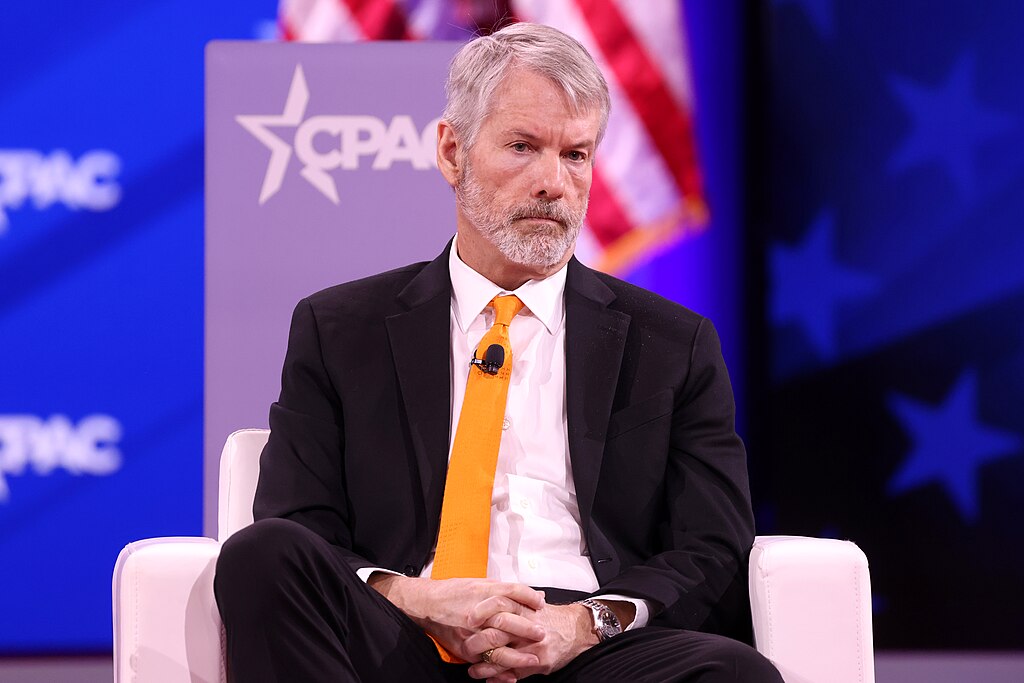
The crypto community wasted no time pushing back. Michael Saylor, Executive Chairman of Strategy — the world's largest corporate Bitcoin holder — directly challenged Johnson's characterization, explaining that a true Ponzi scheme requires a central operator who pays early investors using funds from newer ones. Bitcoin, Saylor emphasized, operates without an issuer, promoter, or guaranteed returns, functioning instead as an open, decentralized network governed entirely by code and market forces.
On X, community contributors echoed similar sentiments, noting that Bitcoin's value is driven purely by free-market demand, its source code is publicly accessible, and participation is entirely voluntary. BitMEX Research added bluntly that no single entity controls the network.
Beyond technical rebuttals, some users criticized central banks for expanding the money supply during the pandemic, framing Bitcoin's fixed supply as a direct contrast to traditional monetary systems. The debate reflects an ongoing tension between mainstream skepticism and growing institutional confidence in cryptocurrency as a legitimate asset class.



















Comment 0