

 News
News  Coin Information
  About us
  Customer Service


 Add as a preferred source on Google

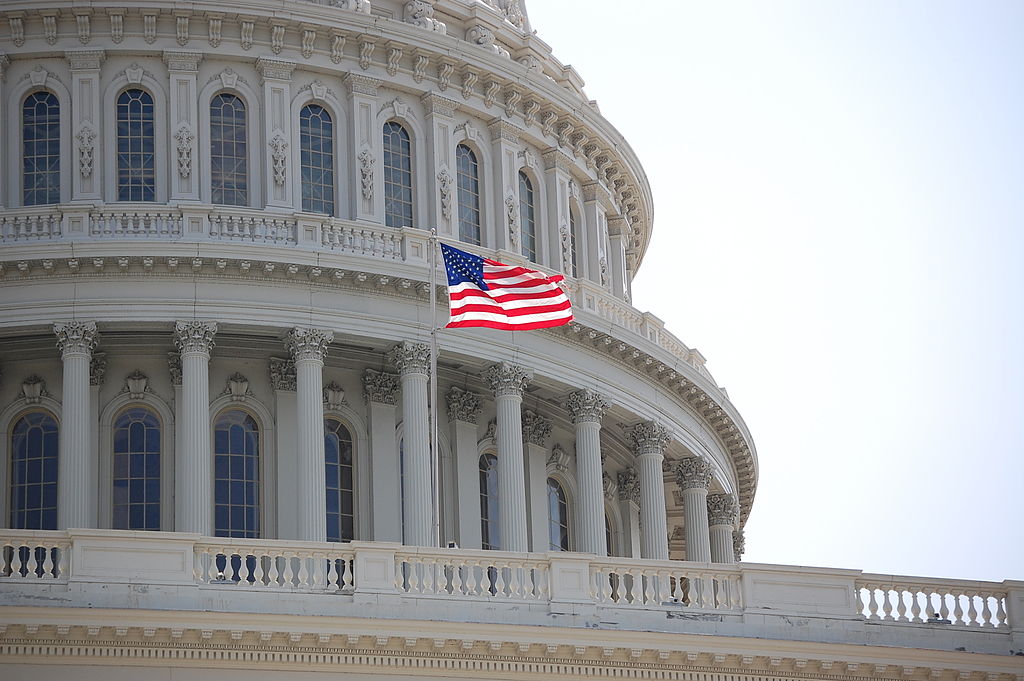
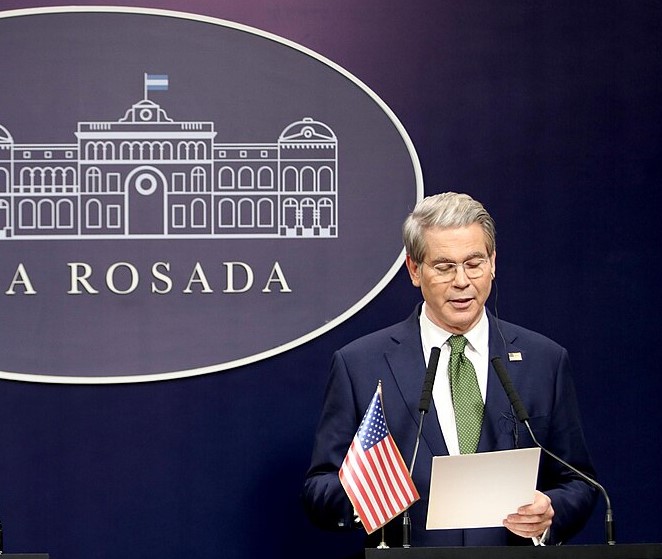
Discussions around the U.S. crypto bill continue to move forward, even as no formal markup hearings are scheduled for this week. According to Fox Business journalist Eleanor Terrett, members of the Senate Banking Committee and crypto industry representatives recently held a closed-door meeting that participants described as productive and encouraging. The session was chaired by Senate Banking Committee Chairman Tim Scott and included lawmakers from both parties, signaling ongoing bipartisan engagement on digital asset regulation.
Sources familiar with the meeting said the discussions aligned with Chairman Scott’s previously outlined timeline for a revised crypto bill draft. Senators focused on newly proposed legislative language and raised in-depth questions, but the overall tone remained cooperative and solution-oriented. Democratic Senators Mark Warner and Catherine Cortez Masto were particularly active, reportedly challenging industry participants and committee staff with tough but constructive inquiries. While a formal markup is unlikely until next year, negotiations around the crypto legislation are clearly ongoing.
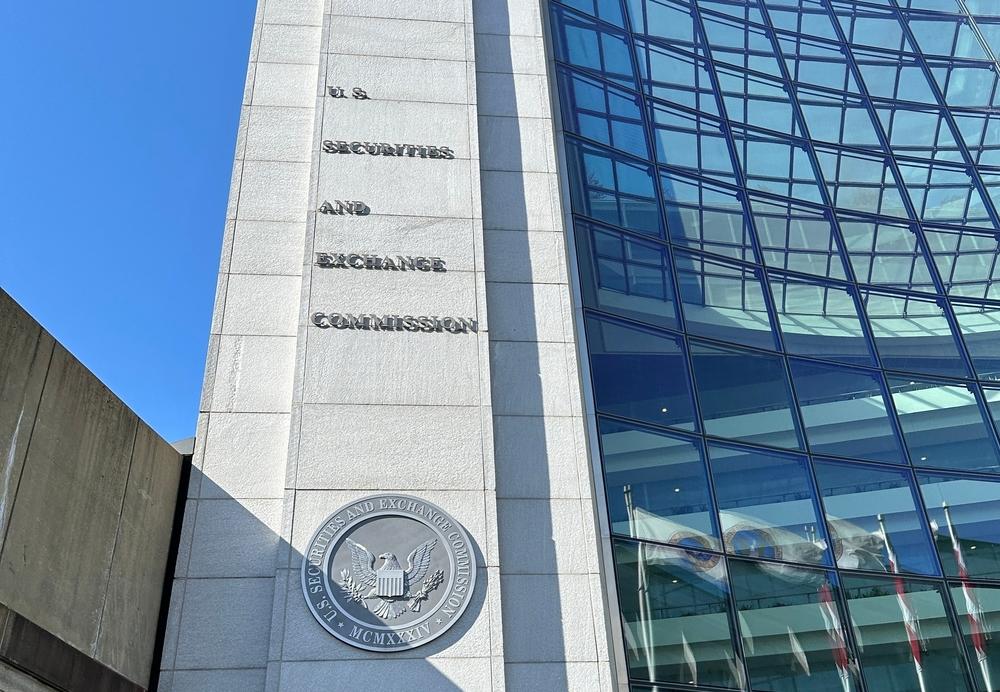
Several unresolved policy areas continue to slow the bill’s progress. One major issue is token classification, specifically how digital assets should be defined as securities or commodities. This distinction is critical, as it determines whether the Securities and Exchange Commission or the Commodity Futures Trading Commission has regulatory authority. Greater clarity in this area could reduce regulatory uncertainty for crypto projects and exchanges, a concern frequently raised by industry leaders. Companies like Coinbase have already engaged regulators by submitting feedback on proposed crypto market rules.
Another key debate centers on stablecoins, particularly whether issuers should be allowed to offer interest payments or rewards. Lawmakers are divided on how to structure incentives without making stablecoins resemble traditional bank products. Clear stablecoin regulations are considered essential due to their growing role in payments and tokenized asset markets, while still preserving innovation and the competitiveness of dollar-pegged digital assets.
Decentralized finance remains the third major sticking point, as lawmakers wrestle with how compliance requirements should apply to protocols that operate without centralized intermediaries. Industry voices argue that clearer crypto classification could boost institutional confidence, citing assets like XRP as examples where regulatory ambiguity has limited broader adoption. As lawmakers prepare to resume work next year, progress on the U.S. crypto bill could have lasting implications for digital asset regulation, market confidence, and institutional participation.

















Comment 0