
Trump Pushes Crypto Market Structure Bill as Stablecoin Dispute Stalls Congress
President Donald Trump has renewed pressure on Congress to pass comprehensive crypto market structure legislation, saying at the World Economic Forum in Davos that he hopes to sign the bill “very soon.” His remarks, i…


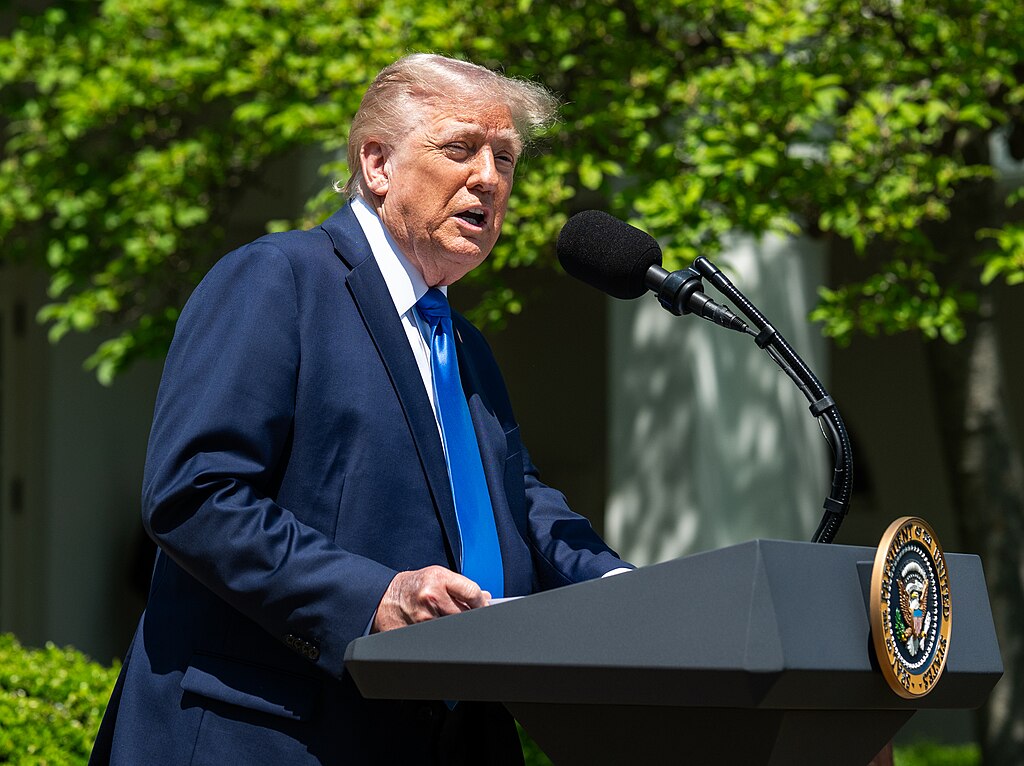
President Donald Trump has renewed pressure on Congress to pass comprehensive crypto market structure legislation, saying at the World Economic Forum in Davos that he hopes to sign the bill “very soon.” His remarks, including an unscripted reference to “Bitcoin, all of them,” underscored the administration’s pro-crypto stance but also highlighted a growing disconnect between White House ambitions and congressional gridlock.
Despite Trump’s push, the legislation remains stalled due to a sharp conflict between major crypto firms and banking industry lobbyists. At the center of the dispute is stablecoin yield, a provision that has become a flashpoint for regulators, lawmakers, and industry leaders. Coinbase, one of the largest U.S. crypto exchanges, withdrew its support after banking groups pushed for restrictions that could limit stablecoin rewards. These yields, permitted under the GENIUS Act signed last year, often exceed traditional bank deposit rates, intensifying competition between crypto platforms and banks.
The Senate Banking Committee, which oversees securities regulation, postponed its planned markup following Coinbase’s exit and shifted focus to other legislative priorities. As a result, the banking portion of the crypto market structure bill is now delayed until at least late February or March. In contrast, the Senate Agriculture Committee, responsible for commodity oversight, released the Digital Commodity Intermediaries Act and plans to move forward with a markup on January 27, even after bipartisan negotiations stalled.
Coinbase CEO Brian Armstrong has framed the issue as a matter of fair competition, arguing that limiting stablecoin yield would harm innovation and push crypto businesses overseas. The White House has pushed back strongly, warning that blocking the bill could squander a rare opportunity to establish clear crypto regulation in the United States.
Lawmakers from both parties have expressed concern that further delays could cost the U.S. its leadership in digital assets. With global markets advancing and institutions like the New York Stock Exchange exploring tokenized securities and blockchain-based trading, the stakes are rising. As Congress debates, the outcome of the stablecoin yield battle may determine whether the U.S. secures a robust crypto regulatory framework or faces years of regulatory uncertainty.
Riza Dagoc
Riza Dagoc reports on regulation, investing and the digital-asset business for TokenPost. Send corrections or tips to info@tokenpost.com.