
Nine US Senate Retirements Could Reshape Crypto Regulation After 2026 Elections
Nine incumbent US senators have announced they will not seek reelection ahead of the 2026 primaries, creating a significant shift that could influence the future of cryptocurrency regulation in Washington. Five of the…


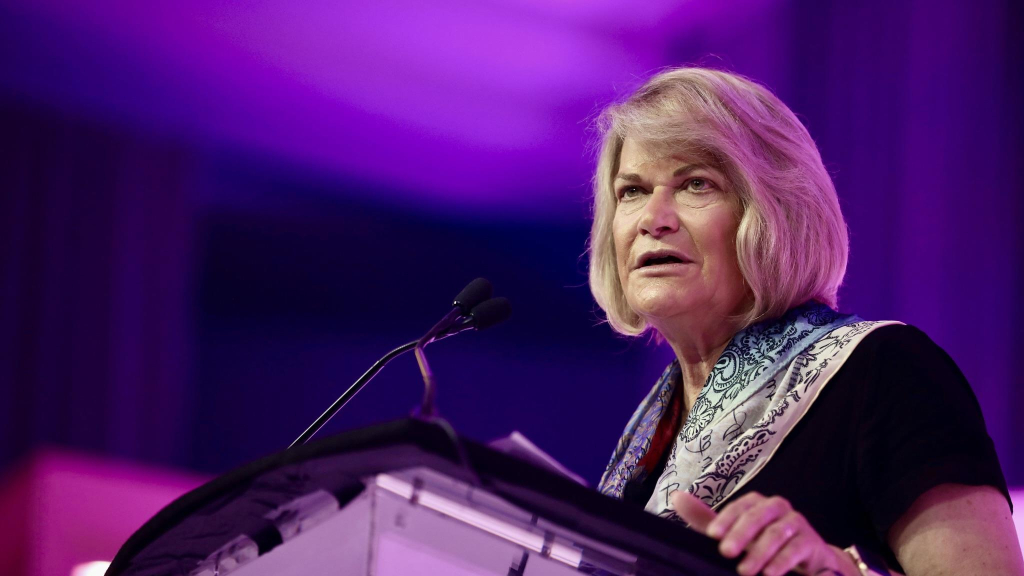
Nine incumbent US senators have announced they will not seek reelection ahead of the 2026 primaries, creating a significant shift that could influence the future of cryptocurrency regulation in Washington. Five of the retiring lawmakers are Republicans who have consistently supported digital asset legislation, while four Democrats leaving office have largely opposed the crypto industry’s policy agenda. Their departures could reshape the balance of power and determine whether new crypto laws can advance in the next Congress.
The Senate currently consists of 53 Republicans, 45 Democrats, and two Independents. As primary races unfold across multiple states, the positions of incoming candidates on crypto regulation will be closely watched by the digital asset industry and policy advocates.
Among the most notable retirements is Wyoming Senator Cynthia Lummis, one of the strongest proponents of Bitcoin and blockchain legislation. Lummis helped lead the GENIUS Act, pushed for the creation of a national Bitcoin strategic reserve, and played a major role in advancing the CLARITY Act. Representative Harriet Hageman has already entered the race for her seat and is widely viewed as strongly supportive of cryptocurrency legislation.
Montana Senator Steve Daines, another pro-crypto Republican, also announced his retirement. He quickly endorsed fellow Republican Kurt Alme, though Alme has not publicly outlined his stance on digital assets. Similarly, Iowa Senator Joni Ernst, North Carolina Senator Thom Tillis, and Kentucky Senator Mitch McConnell—all rated strongly supportive of crypto by advocacy groups—will also leave their seats.
On the Democratic side, several senators who opposed major crypto legislation are stepping down. Illinois Senator Dick Durbin, New Hampshire Senator Jeanne Shaheen, Minnesota Senator Tina Smith, and Michigan Senator Gary Peters have all announced their retirements, opening competitive races in states with varying political dynamics.
Candidates entering these races have mixed records on cryptocurrency policy. Some Democratic contenders, including representatives who supported the GENIUS Act, CLARITY Act, and FIT21 legislation, have shown openness to digital asset innovation. Others remain skeptical about the industry’s regulatory framework and financial risks.
These races come at a time when crypto policy has become increasingly partisan. Industry lobbying has shifted heavily toward Republicans, a strategy that helped secure passage of the GENIUS Act during a period of Republican control in Congress.
The outcome of the 2026 elections could ultimately determine whether Congress continues advancing pro-crypto legislation or moves toward stricter oversight of the digital asset sector. The positions of newly elected senators will play a decisive role in shaping how the United States regulates cryptocurrencies and blockchain technology in the coming years.
Separately, Binance recently sent a response to U.S. Senator Richard Blumenthal, ranking member of the Senate Permanent Subcommittee on Investigations. The letter was also copied to Senator Ron Johnson, the subcommittee’s chairman, addressing Blumenthal’s February inquiry regarding sanctions compliance and anti-money-laundering controls.
Riza Dagoc
Riza Dagoc reports on regulation, investing and the digital-asset business for TokenPost. Send corrections or tips to info@tokenpost.com.