China's Crypto Ban and the Rise of Dollar-Backed Stablecoins
China's February 6 regulatory notice banned unauthorized yuan-pegged stablecoins, restricted most real-world asset (RWA) tokenization, and reaffirmed its blanket prohibition on cryptocurrency activity. Yet global cryp…


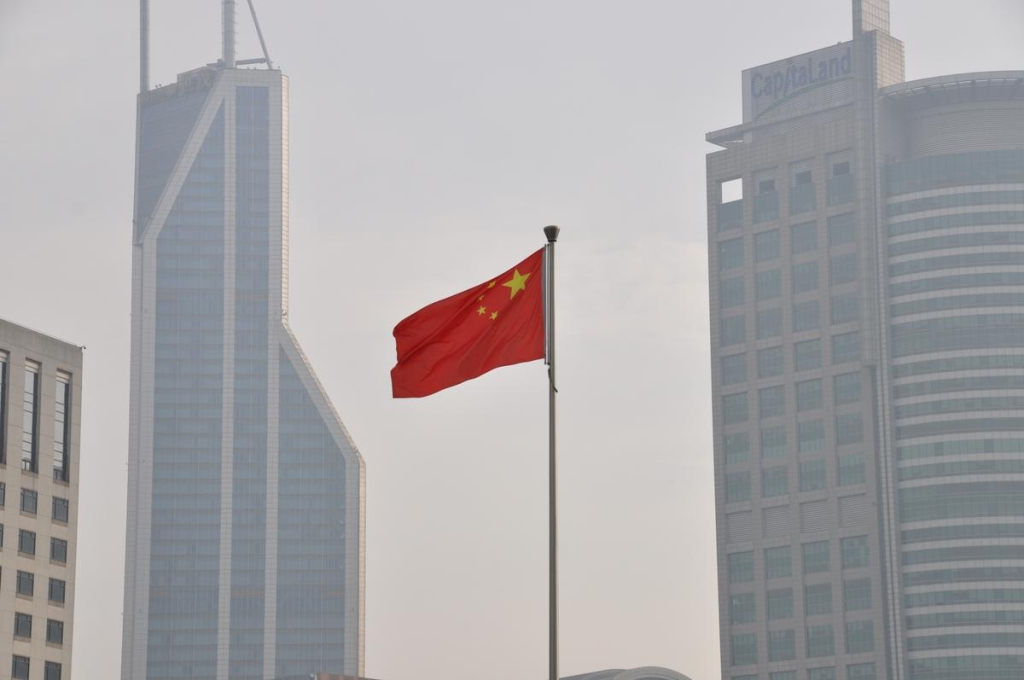
China's February 6 regulatory notice banned unauthorized yuan-pegged stablecoins, restricted most real-world asset (RWA) tokenization, and reaffirmed its blanket prohibition on cryptocurrency activity. Yet global crypto markets barely flinched. According to Jason Atkins, Chief Commercial Officer at Hong Kong-based market-making firm Auros, that muted reaction speaks volumes — the market has long priced in Beijing's hostility toward decentralized digital assets.
What made this notice different was the first-ever explicit mention of RWA tokenization by Chinese regulators. Rather than signaling escalation, Atkins views it as proactive regulatory housekeeping. Beijing watched Bitcoin mining grow into a massive domestic industry before banning it in 2021, and it appears unwilling to repeat that mistake. By naming RWAs now, regulators are flagging potential capital control risks before they become embedded in China's financial system.
The notice also introduced a notable distinction, separating stablecoins from virtual currencies and categorizing them as instruments performing some functions of fiat money. Some analysts believe this quietly opens a pathway for Chinese-affiliated banks in Hong Kong to pursue stablecoin licenses under the city's emerging regulatory framework. Atkins sees stablecoins less as financial innovation and more as payment infrastructure — an efficiency upgrade to traditional banking that regulators can more easily support.
The broader implication, however, extends well beyond China's borders. The US GENIUS Act is accelerating a shift toward dollar-denominated digital rails. Every dollar-pegged stablecoin purchased effectively drives demand for US Treasuries — organic, borderless demand that no government can easily control. China, which has spent years reducing its Treasury holdings from over $1.3 trillion to roughly $680 billion, may find that stablecoin adoption quietly reverses that effort.
Atkins also raised a critical question the industry tends to overlook: without professional market makers providing liquidity, even the best-designed stablecoin frameworks will struggle to function. Regulation opens the door, but liquidity is what makes markets work.