

 News
News  Coin Information
  About us
  Customer Service



U.S. senators have reached a compromise on a contentious provision governing how stablecoin issuers can share yield with users, a move that could revive stalled momentum behind the long-running ‘Clarity Act’ market-structure debate and sharpen expectations for broader crypto regulation in Washington.
According to local reports, Senators Thom Tillis and Angela Alsobrooks agreed on revised language for Section 404, which would prohibit crypto firms from offering interest or returns that are ‘economically and functionally identical’ to bank deposits—while still allowing platform-linked incentives tied to actual usage. The distinction aims to curb stablecoins being marketed as deposit substitutes without eliminating rewards programs that regulators may view as non-deposit activity.
The compromise matters because the yield question has been one of the main political and policy choke points for stablecoin legislation. Policymakers have struggled to balance consumer demand for returns with bank-industry concerns over shadow deposit competition and the systemic risks of products that resemble money-market instruments but sit outside traditional prudential oversight.
Coinbase ($COIN) CEO Brian Armstrong urged the Senate Banking Committee to move quickly on the bill, arguing that clarity is needed to keep U.S. crypto innovation onshore. Industry observers see the Tillis–Alsobrooks language as a potential reset that could restart committee-level negotiations that have been frozen for months.
Any renewed legislative push would land in a market already highly sensitive to policy signals. The prospect of clearer rules—especially around stablecoins and market structure—has been framed by both industry and some mainstream outlets as a catalyst for ‘institutional demand’ and broader participation, though timelines remain uncertain and legislative outcomes are rarely linear.
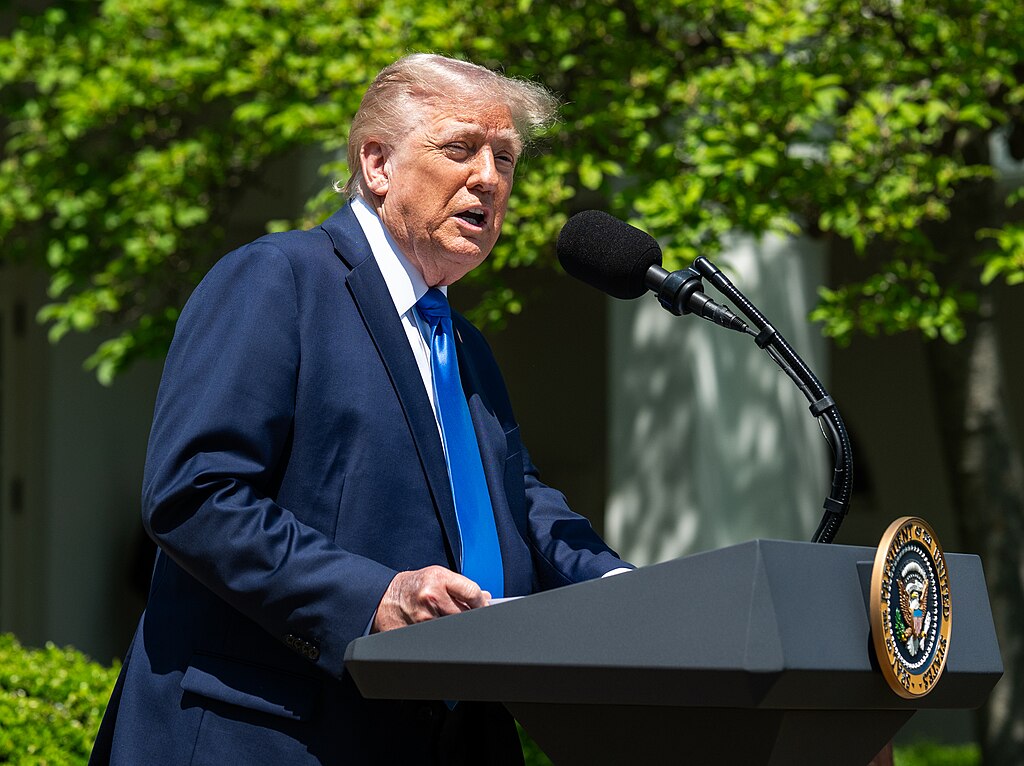
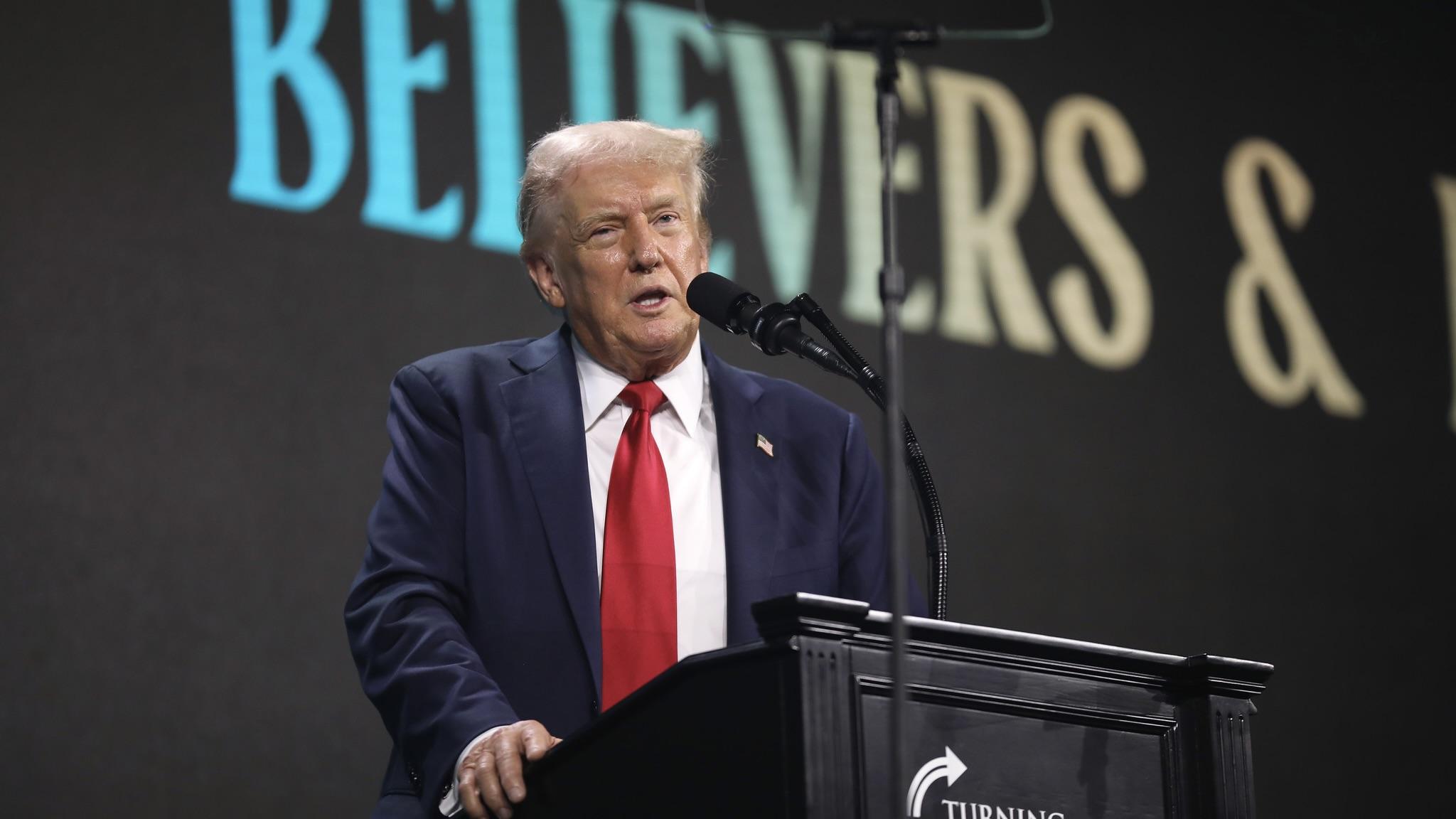
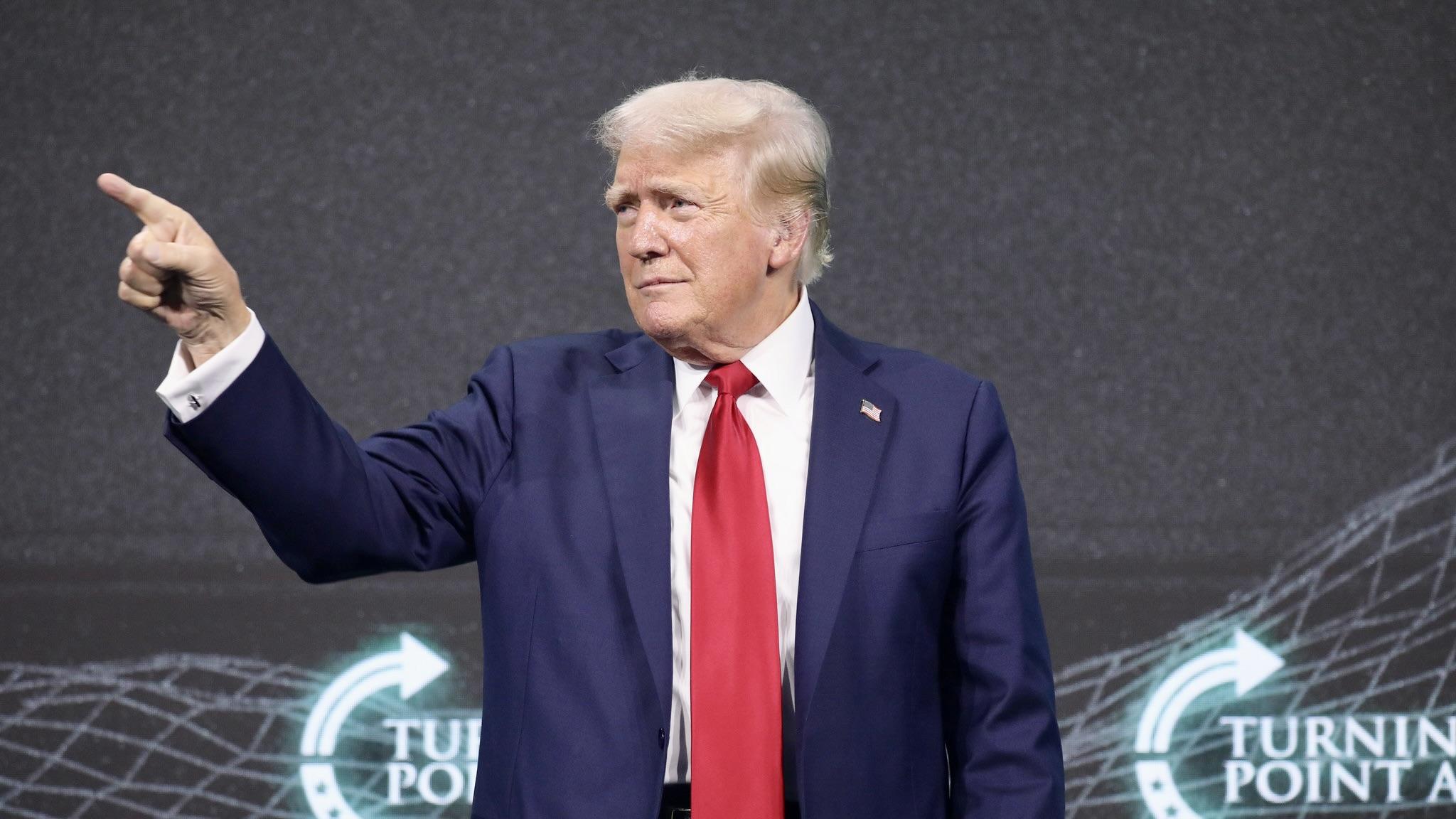
Beyond regulation, macro and geopolitical headlines also stayed in focus. President Trump said on Friday evening ET that he would review Iran’s latest proposal but suggested it would be difficult to accept, adding that renewed airstrikes could be possible. Separate reporting cited an Iranian military official warning that a new confrontation with the U.S. is likely and claiming forces are prepared for potential military action—comments that, if tensions escalate, could feed into energy-price volatility and risk-off moves across global markets, including crypto.
Crypto markets showed mixed signals amid the newsflow. Ethereum (ETH) traded below $2,300, down modestly on the day. On-chain data also flagged a large transfer of 1,053 Bitcoin (BTC)—about $82.6 million—from an unidentified wallet to Kraken, a type of exchange inflow often watched as a potential precursor to selling, though a single transfer does not confirm intent.
In token-specific moves, LAB fell more than 50% in roughly four hours, dipping below $1. Separately, a Bio Protocol multisig wallet transferred 80 million BIO tokens—estimated at around $5.15 million—to Binance and OKX shortly after the token’s price surged, a pattern traders frequently monitor for post-rally distribution risk.
Internationally, Argentina’s securities regulator CNV proposed an update to its framework for tokenized real-world assets (RWA), seeking to expand the use of distributed ledger technology in financial products. The proposal would remove certain constraints on digital representations of instruments and extend a regulatory sandbox through Dec. 31, 2027, signaling continued efforts to bring tokenization into the regulated perimeter.
Taken together, the developments underscore a familiar dynamic for crypto: near-term price action can be dominated by liquidity flows and geopolitics, while the medium-term trajectory often hinges on whether policymakers can translate ‘regulatory clarity’ into enforceable, workable rules—especially for stablecoins, the sector’s primary bridge between traditional finance and on-chain markets.















Comment 0