SEC Crypto Rules Could Advance as CLARITY Act Faces September Delay
The U.S. Securities and Exchange Commission (SEC) is preparing to take a major step toward establishing a clearer regulatory framework for crypto as Congress leaves Washington without passing the CLARITY Act.

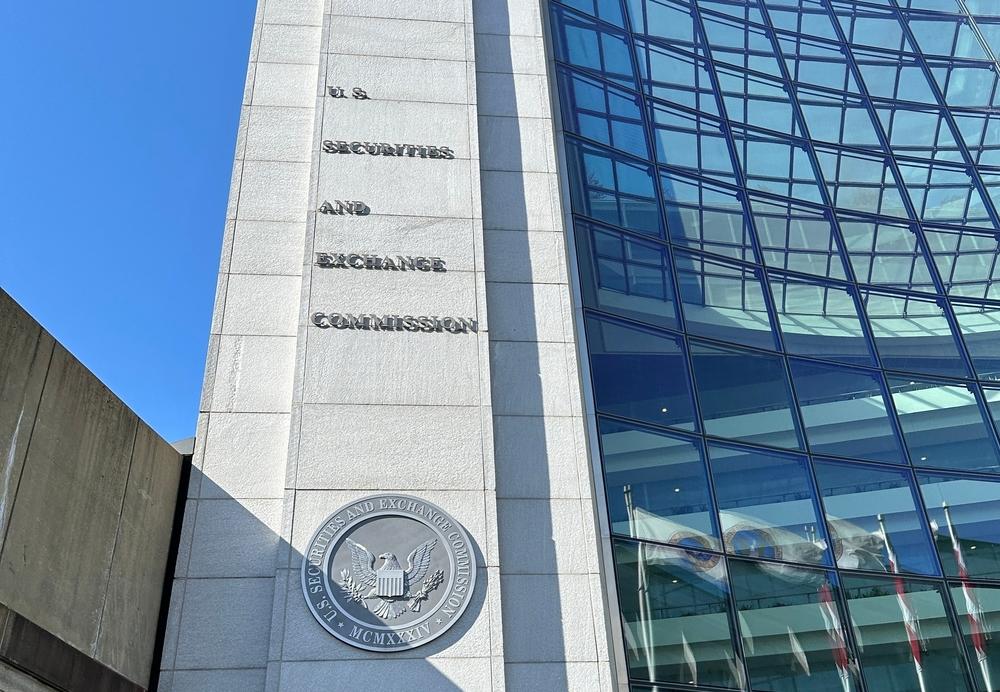
The U.S. Securities and Exchange Commission (SEC) is preparing to take a major step toward establishing a clearer regulatory framework for crypto as Congress leaves Washington without passing the CLARITY Act.
The Senate entered its August recess without approving the legislation, which would divide digital asset oversight between the SEC and the Commodity Futures Trading Commission (CFTC). With lawmakers now away, regulators could take the lead in shaping U.S. crypto policy.
The SEC has scheduled an open meeting for Friday at 10 a.m. ET at its Washington headquarters, with a live webcast available to the public. According to the agency’s official agenda, commissioners will vote on whether to propose rules creating a dedicated legal pathway for certain token offerings.
If approved, qualifying crypto projects could potentially raise capital through exemptions rather than undergoing full securities registration. However, Friday’s vote would only authorize a proposed rule. The details would remain subject to a public comment process before any final regulations are adopted.
The initiative is part of SEC Chair Paul Atkins’ broader Project Crypto agenda for 2026. The regulatory plan includes potential exemptions for token sales, safe harbors for projects moving toward decentralization, and new custody standards for crypto assets held by broker-dealers.
Atkins has said legislation remains the preferred long-term solution because statutory rules would provide greater certainty. However, the SEC appears prepared to move forward independently if Congress remains stalled.
The CLARITY Act could still return to the Senate in September. Majority Leader John Thune has indicated that lawmakers may prioritize the bill after recess, but it needs 60 votes and continues to face disagreements over crypto policy and stablecoin yield provisions.
Meanwhile, CFTC Chair Michael Selig has also warned that regulators may be forced to establish the industry’s framework themselves if Congress fails to act.
For crypto markets, Friday’s SEC vote could therefore become an important signal of how far U.S. regulators are willing to go without new legislation.