Bailey Warns High Energy Prices Could Prompt Bank of England Hike
The Bank held Bank Rate at 3.75% in a 6-3 vote, while inflation is projected at about 3.75% in late 2026 and just above 4% in early 2027.

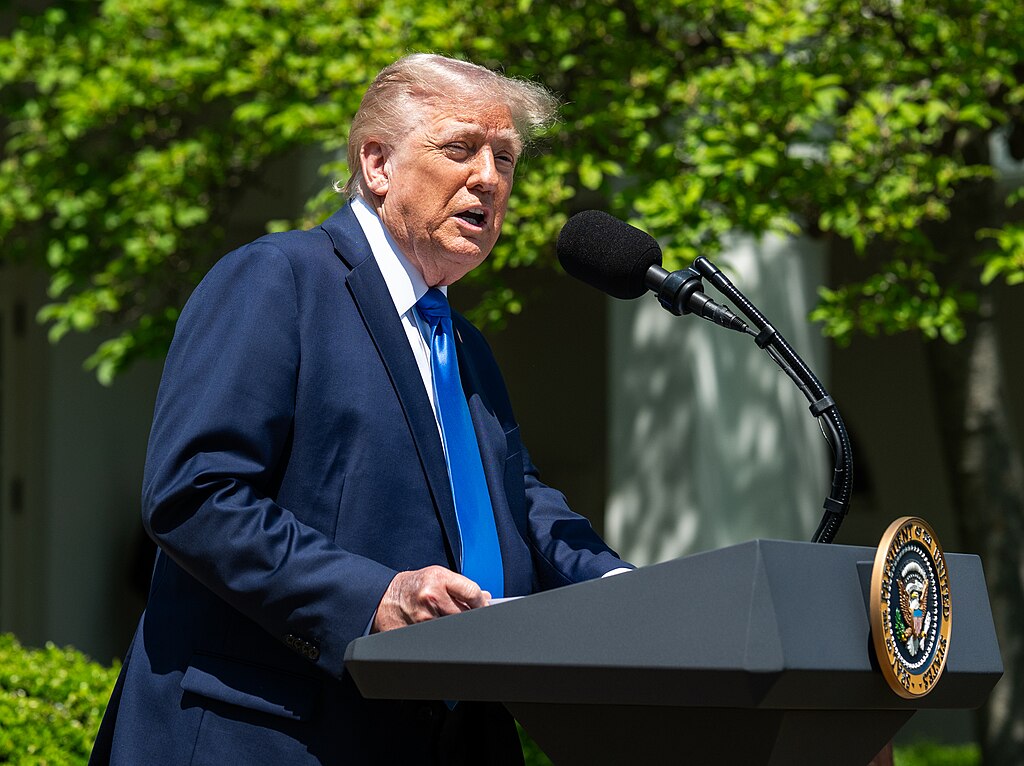
Bank of England Governor Andrew Bailey said prolonged high energy prices could make it harder to keep interest rates unchanged as policymakers weigh the inflation outlook before the next rate decision.
The Bank of England held Bank Rate at 3.75% after its meeting ending Sept. 17. Six members of the Monetary Policy Committee supported keeping rates unchanged, while Megan Greene, Catherine L Mann and Huw Pill favored a 25-basis-point increase to 4%.
“Now, unfortunately, the longer these high energy prices go on, the more difficult this becomes,” Bailey said in a Sept. 17 interview.
Bailey declined to make a firm forecast ahead of the Bank’s next policy decision, scheduled for Nov. 5. “So I’m not going to give you any firm judgment of what’s going to happen,” he said.
The central bank said higher energy prices had worsened the near-term inflation outlook. It projected consumer-price inflation at about 3.75% in the fourth quarter of 2026 and slightly above 4% in the first quarter of 2027, based on energy prices at the close of business Sept. 14.
The Office of Gas and Electricity Markets (Ofgem) energy-price cap will rise to £1,723 for October through December and could increase substantially further in the first quarter of 2027, all else equal.
The September vote highlighted a split over how to respond to persistent price pressures. Greene, Mann and Pill said a preemptive increase could help keep inflation expectations anchored. Other committee members favored waiting for more evidence, while noting that domestic inflationary pressures had continued to ease and that the labor market remained soft.
The Bank’s July Market Participants Survey, which included 78 responses, showed a median expectation that Bank Rate would remain at 3.75% after the Nov. 5 meeting. The differing views reflect the tension between renewed energy costs and signs of weaker domestic economic conditions.
The Bank’s next decision will depend on incoming inflation, energy-price and economic data.