U.S. Diesel Export Ban Remains Unannounced as Prices Stay Near Record
The White House denied preparing a 90-day ban on Sept. 23 as officials weighed tax and regulatory measures to reduce fuel costs.


The Trump administration had not announced a U.S. diesel export ban as of Sept. 23, leaving fuel markets focused on competing policy options as national diesel prices remained near a record high.
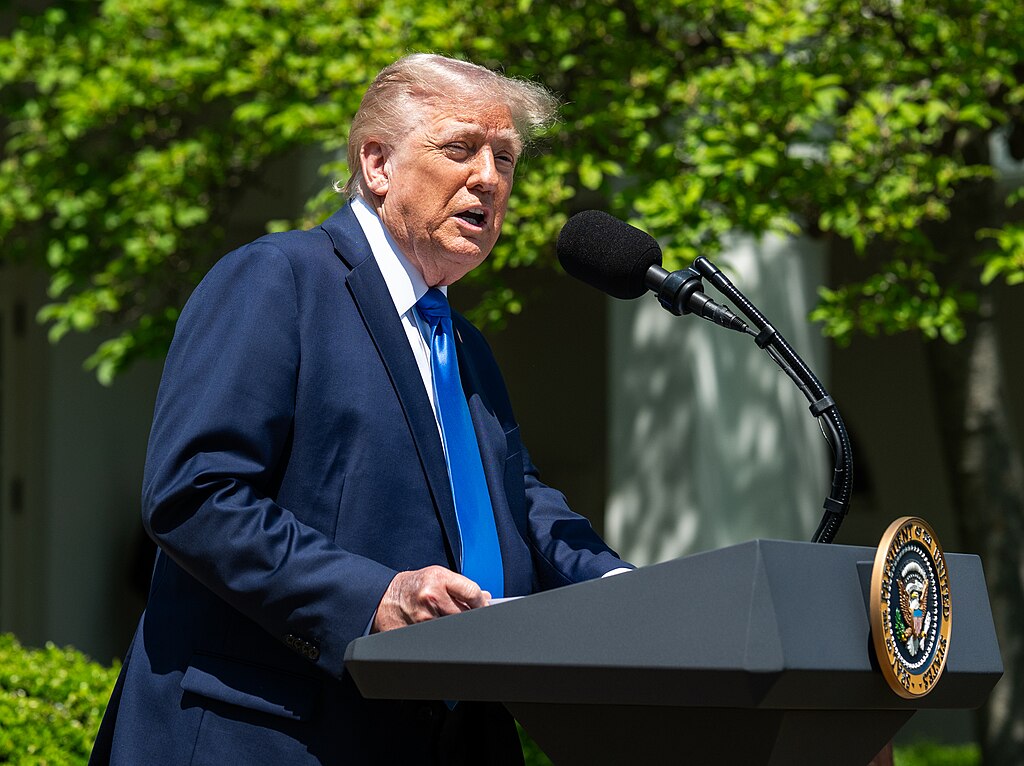
President Donald Trump supported considering restrictions after the national average diesel price reached a record. Energy Secretary Chris Wright opposed a blanket measure, saying Wednesday, “We will not cease exports of US diesel.” He left room for changes in the destinations of fuel produced by U.S. refineries.
The White House denied Sept. 23 that it was preparing a 90-day export ban. Wright also said, “Nobody is considering a flat ban on shipments of the fuel.” No export ban, timetable or executive action had been announced as of that date.
The national average retail diesel price stood at about $6.48 a gallon early Saturday, slightly below its recent record high. Brent crude settled Friday around $104.30 a barrel.
Officials have discussed allowing dyed red diesel, which is normally reserved for off-road use, on highways. The change could suspend some diesel taxes, including the federal levy of roughly 24 cents a gallon.
The policy debate has centered on whether restricting exports would increase supplies for U.S. consumers or instead force refiners to reduce production. Refineries produce diesel and gasoline together, so lower operating rates could also reduce gasoline supplies.
Barclays refining and midstream analyst Theresa Chen characterized a proposed ban as harmful to the U.S. refining system and unlikely to provide the intended price relief. Goldman Sachs energy analyst Nikhil Bhandari warned that global refining capacity could remain strained through 2027, keeping diesel and gasoline prices elevated.
The administration had not announced a final export policy or implementation schedule as of Sept. 23. The debate continues alongside earlier coverage of proposed U.S. diesel-export limits.