SEC Staff Clarify Crypto Compliance Tests for Buybacks and Staking Tokens
The nonbinding FAQ addresses functional networks, staking receipts, post-launch development and secondary-market platforms.


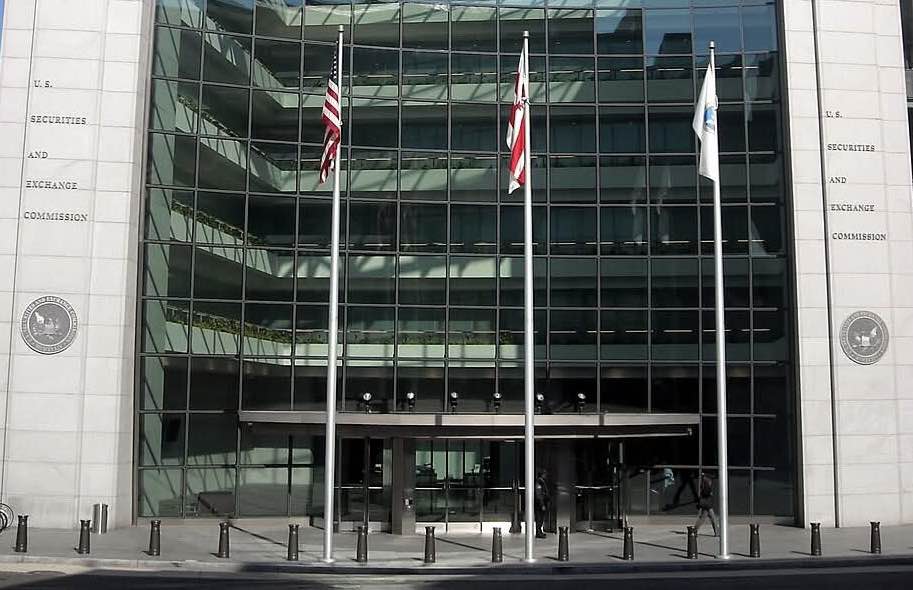
SEC staff clarified when token buybacks, staking receipts and post-launch network development may raise investment-contract concerns, focusing on whether a crypto system is functional and lacks a central party.
The Securities and Exchange Commission’s Division of Corporation Finance issued the FAQ Sept. 25 and updated it Sept. 28. For a functional system with no central party, announcing a buyback of a non-security crypto asset would not represent or promise essential managerial efforts. If the system is not functional, a buyback promoted as creating yield or returns for token holders could enter investment-contract analysis.
The FAQ also addresses staking-receipt tokens. A receipt may qualify as a digital tool when it represents ownership of an underlying digital commodity that is not subject to an investment contract. A protocol-based liquid-staking provider may issue a receipt that qualifies as a digital commodity.
The receipt must preserve the deposited asset’s rights, obligations and benefits. Its issuer cannot transfer, lend, pledge, rehypothecate or otherwise use the deposited assets, or expose them to third-party claims.
After a system becomes functional, services that secure, maintain or improve it, along with development funding that supports network effects, would not constitute essential managerial efforts under the staff’s view. A secondary-market platform would be a promoter only if it meets the Securities Act Rule 405 definition.
The FAQ has no legal force, does not amend existing law and creates no new obligations. Public comments on the related proposed crypto-assets framework are due Oct. 20, 2026.