Iran Keeps Hormuz Reopening Plan Tied to U.S. Concessions Ahead of Nov. 3 Vote
Tehran wants Washington to lift its naval blockade, waive sanctions on Iranian oil sales and observe a Lebanon ceasefire before reopening the waterway within seven days.


Iran and the United States remain far apart over conditions for ending the conflict that began Feb. 28, keeping the Strait of Hormuz and global energy supplies at risk ahead of the Nov. 3 U.S. midterm elections.
Iranian Foreign Minister Abbas Araghchi said Tehran would reopen the waterway and resume nuclear talks within seven days if Washington lifts its naval blockade, waives sanctions on Iranian oil sales and observes a ceasefire that includes Lebanon. U.S. officials have rejected the proposal, which follows earlier U.S.-Iran discussions over reopening the strait.
Flows through the strait averaged 7.6 million barrels per day in August, 13.1 million barrels per day below prewar levels. Gulf-country oil exports totaled about 13 million barrels per day, nearly half their prewar level. U.S. military escorts helped increase crude flows through Hormuz, but shipments remained below normal.
Before the conflict, about 20 million barrels per day of crude and oil products moved through the waterway, representing roughly 25% of global seaborne oil trade in 2025. Iran, Iraq, Kuwait, Qatar and Bahrain rely heavily on the strait for oil exports.
The U.S. Energy Department issued a request Sept. 29 for proposals to exchange up to 40 million barrels from the Strategic Petroleum Reserve. The request forms part of a previously announced 172-million-barrel release and a coordinated 400-million-barrel commitment. It does not establish that all 40 million barrels have been withdrawn.
Global oil inventories fell by 507 million barrels in the six months through August, while emergency stock releases exceeded 300 million barrels. Bypass routes, non-Gulf production and stock releases have partly offset the disruption.
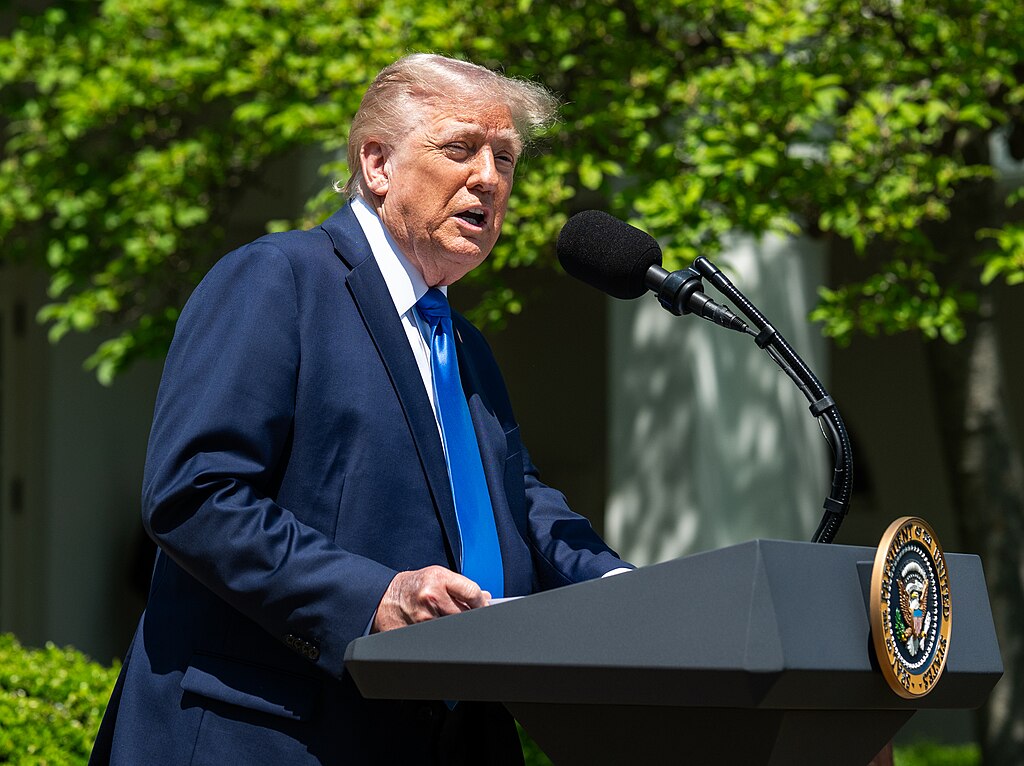
Matt Reed, an analyst, said Iran could be more inclined to escalate before the election, while the U.S. president could be more inclined to delay escalation. “If Trump is not willing to give the Iranians what they want, then their goal will be to humiliate him,” Reed said, presenting the claim as his interpretation rather than an official Iranian position.
Marshall Adkins, an energy analyst, said he was uncertain whether a peace agreement would emerge within the next six months. Thierry Wizman, a strategist, said options-market pricing implied sharply divergent outcomes after Nov. 3.
The election is the next major deadline for the negotiations, while shipping through the Strait of Hormuz remains below prewar levels.