Trump’s Section 301 Tariffs Face Challenge in U.S. Court of International Trade
Small businesses and Democratic-led states argue the administration is using forced-labor enforcement to revive a near-global tariff policy after earlier duties faced court defeats.

President Donald Trump’s latest near-global tariff policy faced another court challenge Wednesday as small businesses and Democratic-led states argued that the duties exceed the administration’s legal authority.
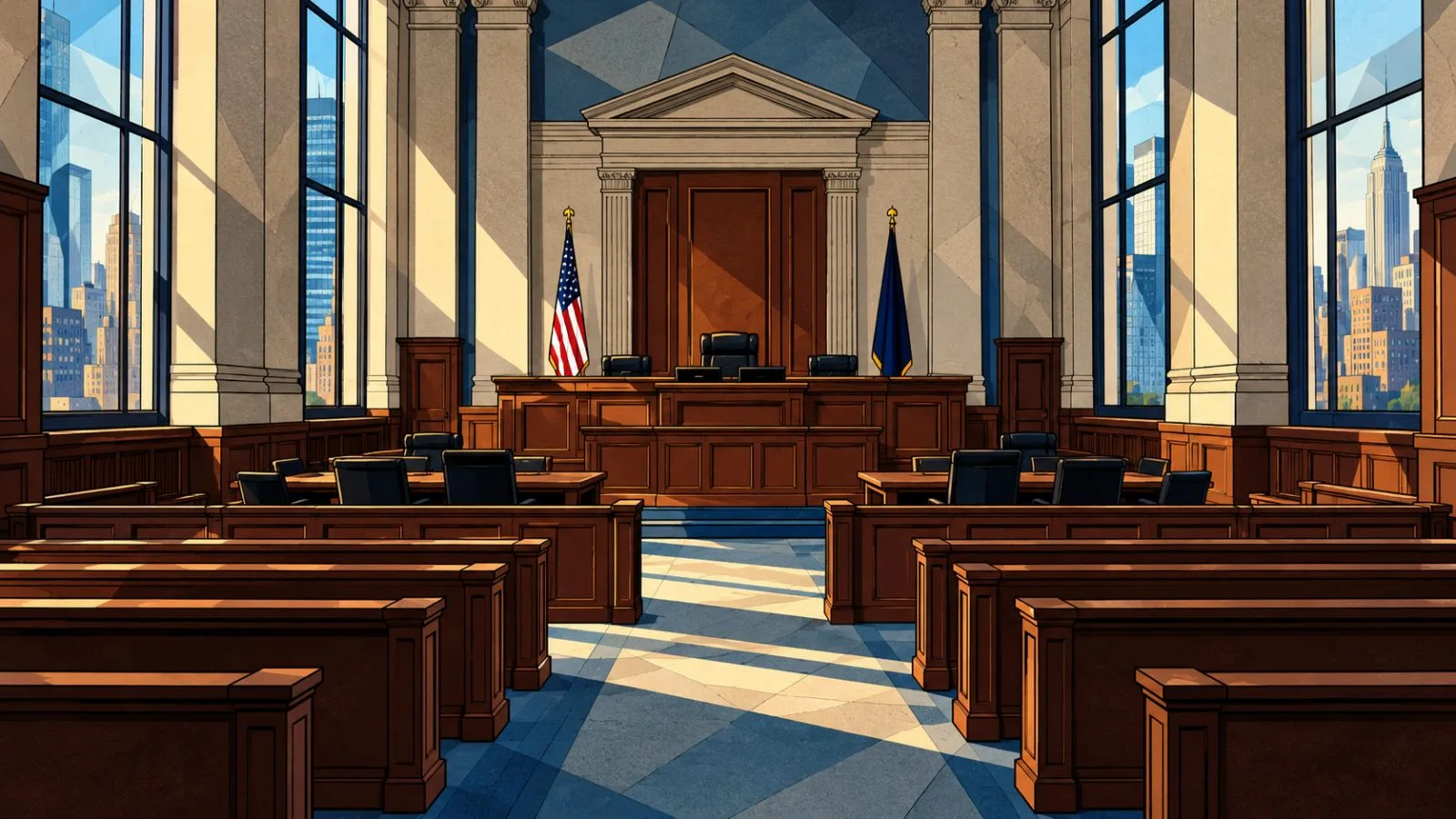
A three-judge panel heard arguments at the U.S. Court of International Trade in Manhattan. The case involves tariffs imposed under Section 301 of the Trade Act of 1974, with rates set at 10% or 12.5% on goods from 86 countries covering 99.4% of U.S. imports.
The plaintiffs argued in a court filing that the administration is attempting to restore a worldwide tariff structure through a different legal authority after earlier measures were rejected or expired. They contend that the forced-labor rationale is being used as a pretext for imposing duties that resemble the earlier policy.
The administration says the tariffs respond to the targeted countries’ failure to effectively enforce bans on goods made through forced-labor practices. Department of Justice attorneys told the court that the Office of the U.S. Trade Representative (USTR) acted consistently with Section 301 and sought to condition access to the U.S. market on concrete measures against forced-labor trade.
The case is the third court challenge in less than two years involving Trump’s efforts to impose broad tariffs on most U.S. imports.
The Supreme Court struck down Trump’s earlier “reciprocal” tariffs in February, forcing the administration to refund more than $100 billion. Trump then announced a worldwide 10% tariff under Section 122 of the Trade Act of 1974, but that authority allowed the duties to remain in place for only 150 days.
The trade court ruled against the Section 122 tariffs, while an appeals court paused that ruling and allowed the duties to remain until the authorization expired. Right as those duties expired in July, the administration imposed the new Section 301 tariffs.
Trump said in late July that the Section 301 tariffs were “doing the same thing” as the tariffs struck down by the Supreme Court.