

 News
News  Coin Information
  About us
  Customer Service



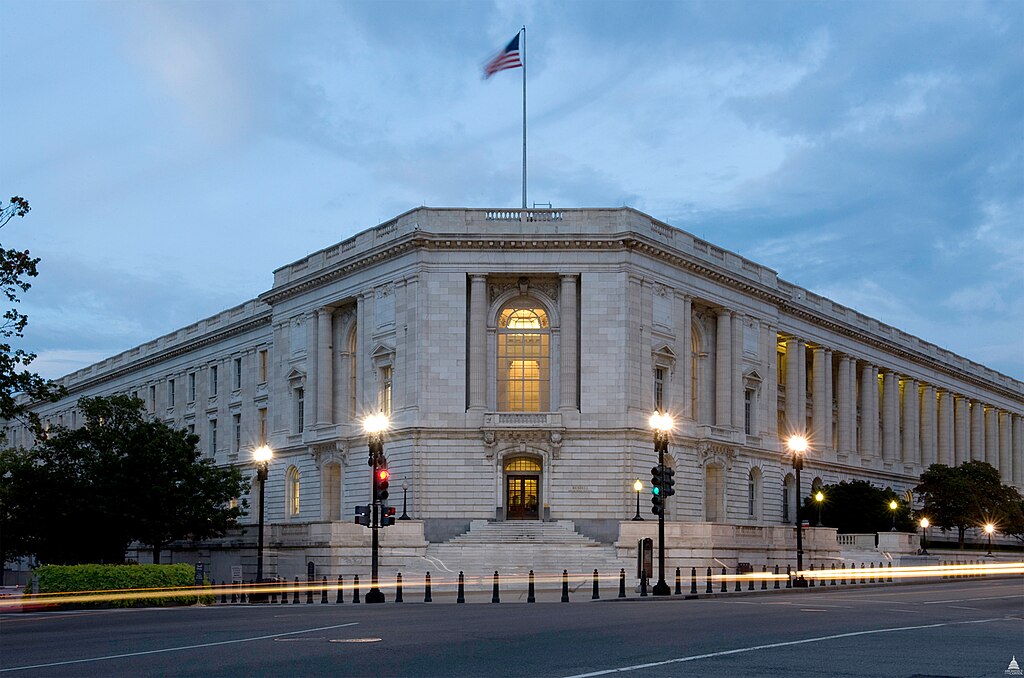
The risk of a U.S. government shutdown is increasing after Congress left Washington for the Christmas recess without passing a federal budget deal or agreeing on a clear voting framework. With the January 31 funding deadline fast approaching, uncertainty around federal operations has intensified, raising concerns across markets and government agencies.
Senate leaders reportedly abandoned efforts to move a comprehensive spending package before lawmakers departed, despite weeks of negotiations. Those talks failed to overcome internal opposition within key committees and did not secure enough votes to advance. As a result, progress on federal funding remains stalled in both the House and Senate.
Republicans and Democrats have yet to begin detailed negotiations on nine remaining appropriations bills, significantly increasing the likelihood of a temporary continuing resolution or a full U.S. government shutdown. While top House and Senate appropriators recently agreed on overall spending caps, the deal only set high-level totals and did not resolve disputes over how funds should be distributed among agencies.
Democrats have expressed frustration, arguing that valuable time was lost drafting partisan proposals instead of bipartisan legislation. They maintain they are ready to move forward under the agreed spending limits. Meanwhile, Republican divisions continue to complicate negotiations, as fiscal conservatives push for flat funding across federal agencies and vow to oppose any spending increases above current levels.
House Speaker Mike Johnson has said he hopes Congress can pass all funding bills by January 30, but many lawmakers from both parties have warned that another short-term funding patch may be the most realistic outcome. Some have cautioned that missing the deadline could trigger a shutdown with little time for corrective action.
The Senate faces additional hurdles, including conservative opposition to earmarks and Democratic resistance tied to funding for a federal climate research center. Although Senate leaders insist work will continue during the recess, time remains a major constraint. When Congress returns on January 5, lawmakers will have only about three working weeks to prevent another government shutdown, which could further strain an already fragile economic environment.


















Comment 0