
 Add as a preferred source on Google
Sam Altman hopes AI will identify a major disease treatment candidate within years
Sam Altman hopes AI will identify a major disease treatment candidate within the next couple of years, though testing and regulatory review would still take time.

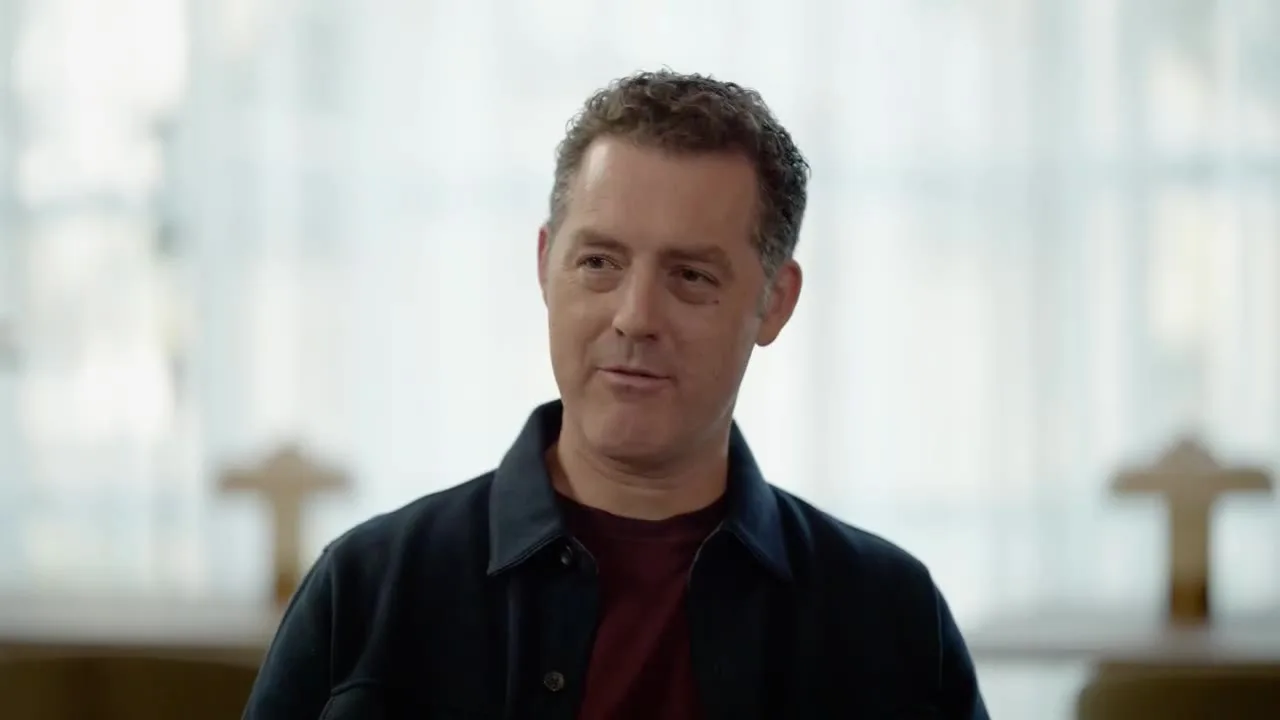
Sam Altman expects AI's scientific capabilities to extend into drug and materials discovery, with a potential treatment for a major disease emerging within the next couple of years.
AI could help uncover important knowledge in biology, materials science and energy as the methods used to solve difficult mathematics problems reach other disciplines, opening a path toward discoveries with practical benefits.
In an interview with Matthew Berman, the OpenAI CEO said AI was beginning to tackle complex problems and generate significant new knowledge. He expects the approach behind its mathematical advances to work in biology and materials science as well.
Altman said he hoped the first major candidate for curing or treating a serious disease would emerge within the next couple of years. That timeline refers to a discovery requiring testing, with the FDA process and other steps still taking time before a treatment reaches patients.
He said the process following discovery could be improved while preserving the benefits of safety testing. Asked which potential breakthrough most excited him personally, he chose a major physics discovery, while acknowledging that it might not be the most important development for humanity overall.
On whether commercially valuable discoveries should be published, Altman said some basic science should belong to the world as a public good. More capable models could eventually discover new materials with sufficient computing resources and data from the real world, he said.
Altman also described changes in research and development work. In coding, he said, demand for software had proved much greater than anticipated despite expectations that AI would eliminate jobs. He was uncertain whether a similar shift would increase total demand for mathematicians.
Mathematicians could increasingly interpret AI-generated results and turn them into clear proofs that people can understand, he suggested. Decisions about what people value, alongside explaining and interpreting findings, would continue to involve human judgment.
Altman acknowledged that AI could take away some of the fulfillment people find in solving difficult problems. He said he would choose obtaining a disease cure over preserving the pleasure of discovering it through decades of additional work, while recognizing the sense of loss involved. He hoped people would find new and better forms of fulfillment.
Riza Dagoc
Riza Dagoc reports on regulation, investing and the digital-asset business for TokenPost. Send corrections or tips to info@tokenpost.com.