
 Add as a preferred source on Google
Winklevoss Twins Back Formal Verification as Zcash Eyes Recovery After Counterfeiting Bug Scare
Zcash (ZEC) has received public support from Gemini co-founders Tyler and Cameron Winklevoss following concerns surrounding a recently patched counterfeiting bug. Their comments come at a critical time as ZEC faces ma…
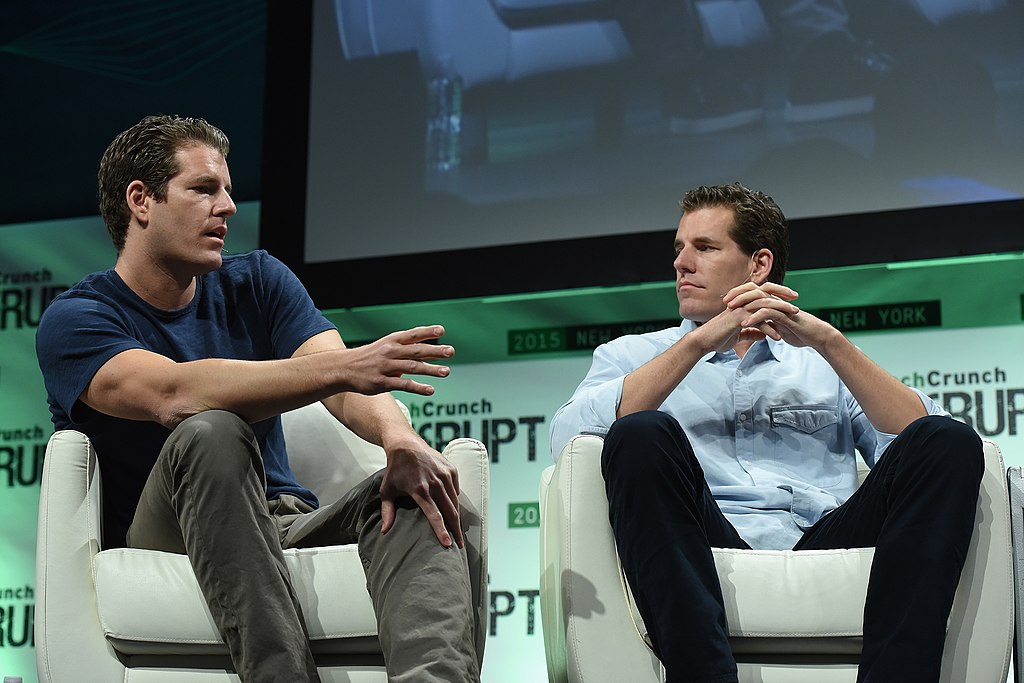
Zcash (ZEC) has received public support from Gemini co-founders Tyler and Cameron Winklevoss following concerns surrounding a recently patched counterfeiting bug. Their comments come at a critical time as ZEC faces market pressure and a sharp price decline, shifting attention away from the vulnerability itself and toward a long-term security solution based on formal verification.
The discussion began after Dragonfly Capital managing partner Haseeb Qureshi argued that the bug would have primarily impacted users holding funds in Zcash’s shielded pools rather than the broader transparent market. Tyler Winklevoss publicly agreed with that assessment, reinforcing confidence in the privacy-focused cryptocurrency despite recent uncertainty.
According to Qureshi, while artificial intelligence helped identify the flaw, the broader solution lies in formal verification, a mathematical approach that proves software behaves exactly as intended. He stated that formally verified cryptographic systems can eliminate entire categories of implementation errors, making critical bugs far less likely to occur.
Cameron Winklevoss echoed those views, describing formal verification as the future of secure software development in the AI era. He noted that Zcash plans to integrate formal verification into its next major network upgrade, a move designed to prevent counterfeit coin creation within shielded pools.
The upcoming upgrade will reportedly introduce a new shielded pool and a fresh turnstile mechanism. This process will allow users to migrate assets from the current Orchard pool while providing on-chain proof that no counterfeit ZEC was created. The initiative follows the successful emergency patch that addressed the Orchard bug before any known exploitation occurred.
Zcash had recently reached a record level of shielded supply before news of the vulnerability triggered market concerns. Although the subsequent selloff erased part of the cryptocurrency’s strong 2026 gains, supporters argue that the planned upgrade could strengthen trust in Zcash’s privacy and security model.
Qureshi also disclosed that both Dragonfly and he personally maintain exposure to ZEC-related investments, a factor investors may consider when evaluating optimistic statements about the project’s future.
As Zcash moves toward implementing formal verification, the crypto industry will closely watch whether provable software correctness can restore confidence and reinforce the long-term appeal of privacy-focused digital assets.
Riza Dagoc
Riza Dagoc reports on regulation, investing and the digital-asset business for TokenPost. Send corrections or tips to info@tokenpost.com.