
HIVE Begins 100 MW Paraguay Expansion Toward 400 MW Renewable Capacity
The hydroelectric-powered Yguazú project remains targeted for completion in calendar 2026, with no revised completion quarter provided.


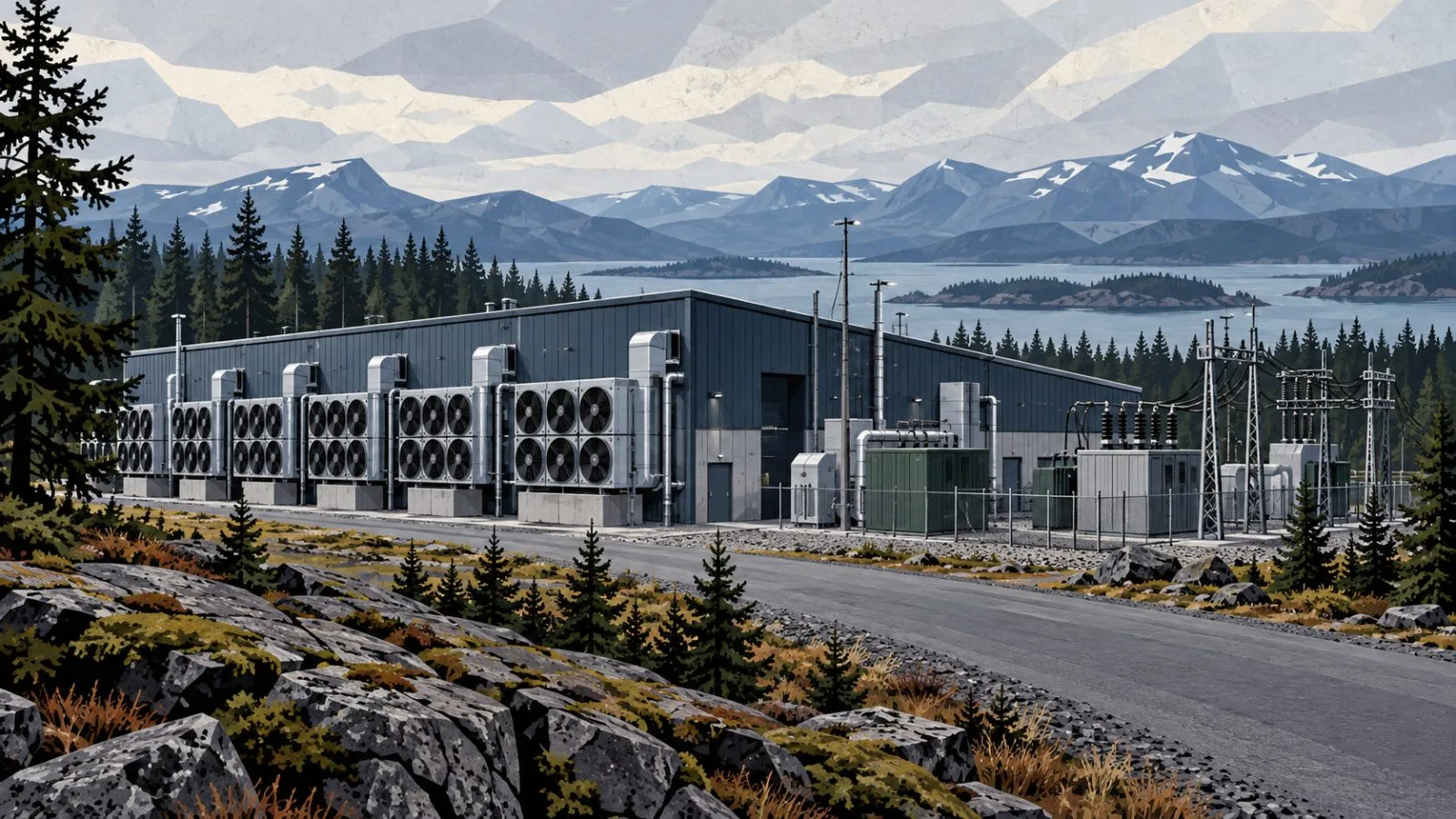
HIVE Digital Technologies has begun building an additional 100 megawatts at its Yguazú campus in Paraguay, a project that would raise the company’s renewable power capacity in the country to 400 MW.
The expansion will use hydroelectric power from the Itaipú Dam. HIVE has ordered key infrastructure components, and construction remains targeted for completion during calendar 2026. The company has not provided a revised completion quarter.
HIVE announced the project on Oct. 21, 2025, and initially targeted full commissioning in calendar Q3 2026. The planned addition was described as a potential facility of record scale for Paraguay.
Yguazú has two completed 100 MW phases. The first used air-cooled Bitcoin mining equipment and was completed in June 2025, while the second added hydro-cooled capacity and was completed in September 2025. Together, the phases contributed approximately 12.5 EH/s to HIVE’s global mining capacity.
HIVE acquired the 200 MW Yguazú hydro-powered facility from Bitfarms for approximately $56 million in March 2025. The planned 100 MW addition is separate from the company’s Valenzuela Phase 3 deployment, which was completed on Nov. 10, 2025, with approximately 6.5 EH/s of capacity.
The Paraguay expansion formed part of HIVE’s plan to increase its 2026 Bitcoin (BTC) mining target to 35 EH/s. Frank Holmes, HIVE’s executive chairman, said, “With the advent of next generation ASIC miners, this additional 100 MW provides a path to a potential 35 EH/s in 2026.”
As of March 31, 2026, HIVE had 440 MW of operational power capacity worldwide and an installed Bitcoin mining hashrate of 25.1 EH/s.
The Yguazú buildout combines Bitcoin mining with HIVE’s broader high-performance computing and artificial-intelligence infrastructure strategy. Its power-purchase agreement for the facility runs through Dec. 31, 2027, with continued operation after that date dependent on a renewed agreement.
John Kim
John Kim reports on the digital-asset business for TokenPost. Send corrections or tips to info@tokenpost.com.