
Iraq Raises Dollar Rate to 1,520 Dinars as Oil Revenue Slips
The Central Bank of Iraq’s new exchange-rate structure took effect Oct. 7 as oil exports face disruption around the Strait of Hormuz.

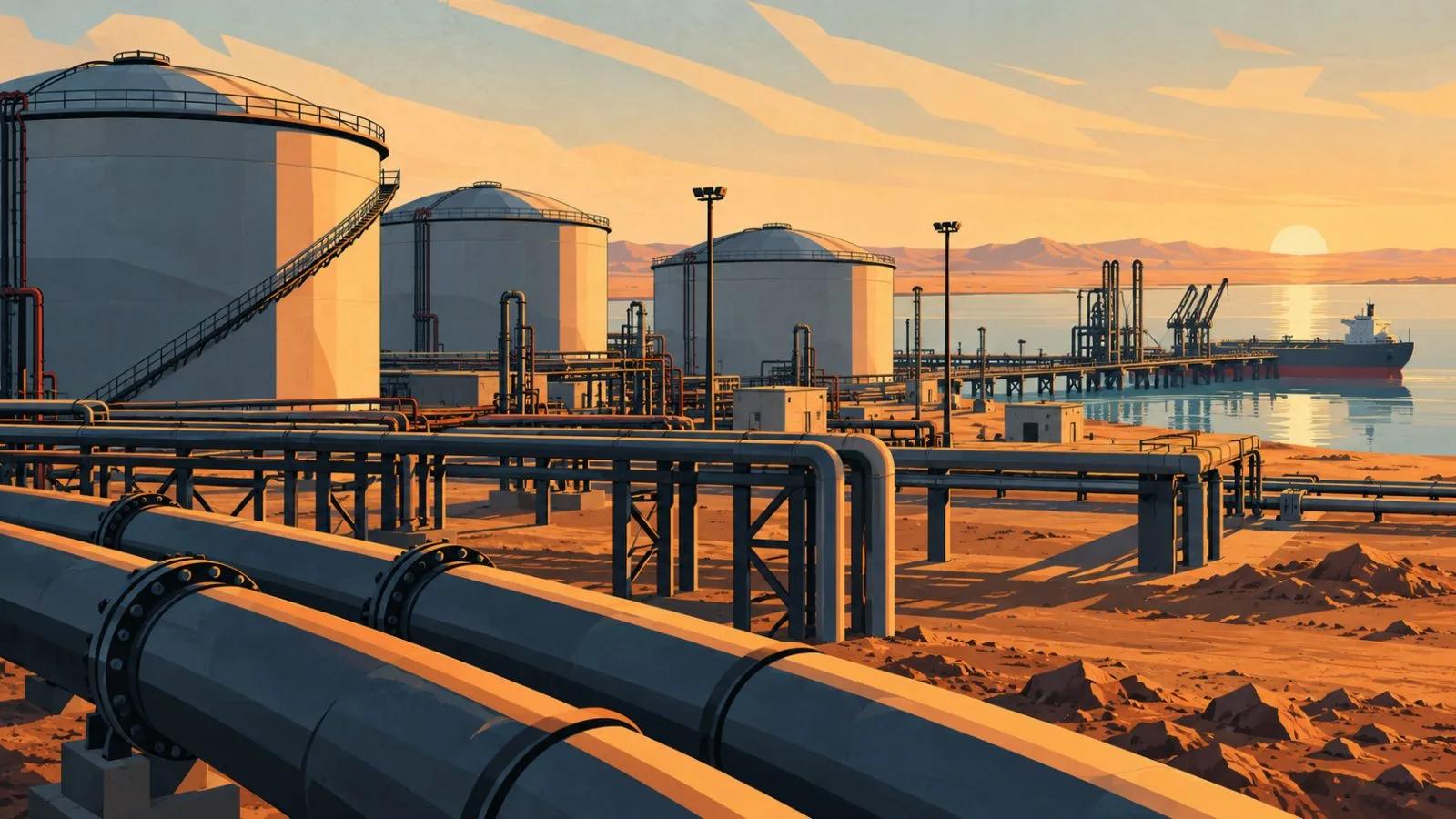
Iraq’s central bank raised the public dollar-selling rate to 1,520 Iraqi dinars from 1,320, weakening the currency as oil exports face disruption around the Strait of Hormuz.
The Central Bank of Iraq put the new exchange-rate structure into effect Oct. 7. It set the Finance Ministry’s dollar purchase rate at 1,500 dinars and the bank-sale rate at 1,510 dinars per dollar, creating separate rates for government purchases, bank sales and public transactions.
The change increases the dinar value of Iraq’s dollar-denominated oil receipts, which can help the government cover domestic expenses. It also makes imported food, medicine, machinery and other goods more expensive in local-currency terms.
The move is often described as a 14.5% devaluation, but the precise change depends on the calculation. Raising the rate from 1,320 to 1,520 dinars per dollar is a 15.2% increase in dinars per dollar, implying an approximately 13.2% decline in the dinar’s value against the dollar.
Iraq sells crude oil in dollars while paying much of its domestic spending in dinars. The new rates began applying Wednesday.
John Kim
John Kim reports on the digital-asset business for TokenPost. Send corrections or tips to info@tokenpost.com.