
 Add as a preferred source on Google
Amazon Plans to More Than Double Its Robotic Arms Fleet in 2026
Amazon has deployed more than 1 million robots across over 300 facilities and is expanding U.S. manufacturing and technical training.

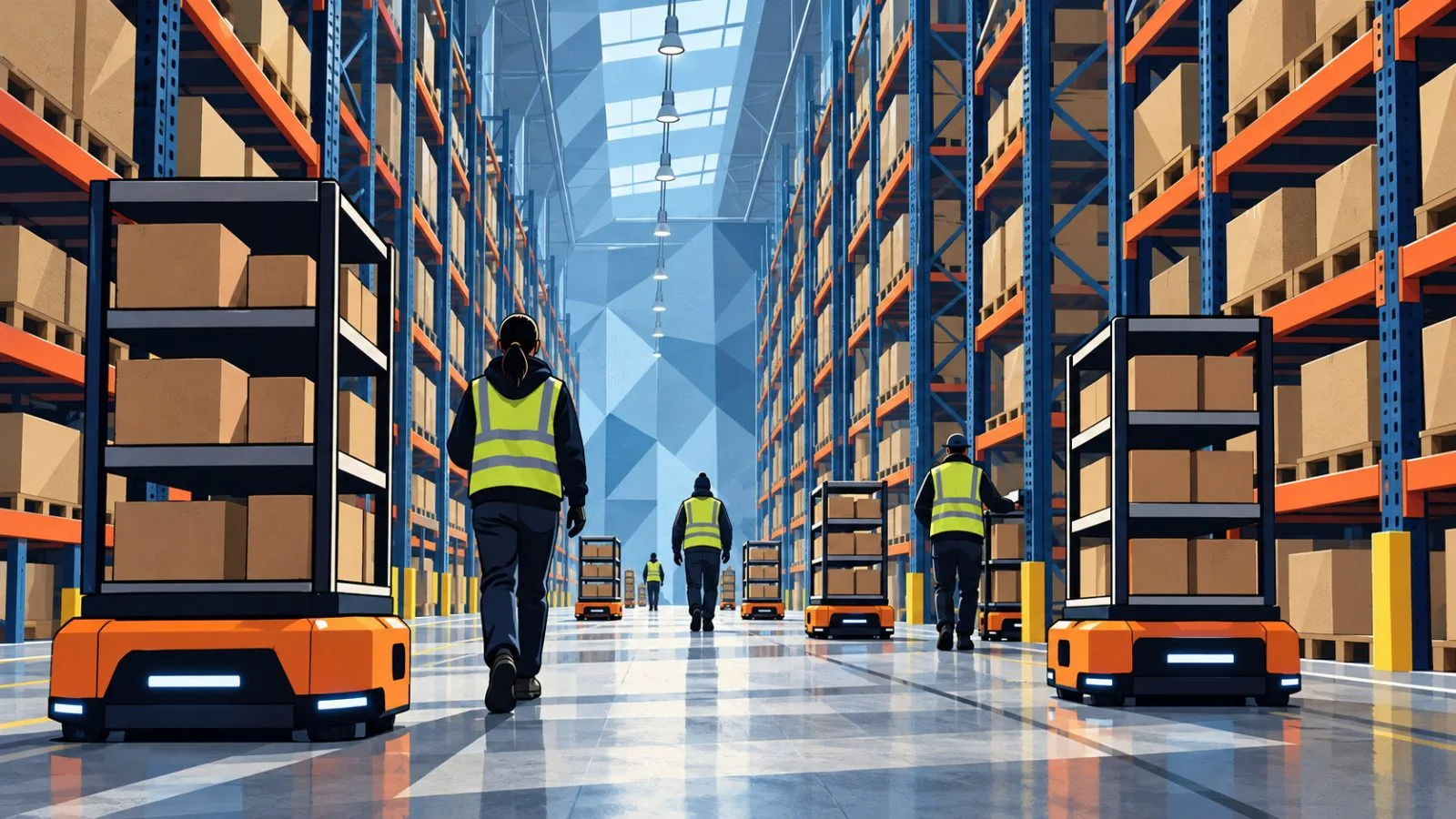
Amazon plans to more than double its fleet of robotic arms in 2026 as the company expands warehouse automation, domestic manufacturing and technical training across its operations.
Amazon CFO Brian Olsavsky said the company is retrofitting facilities with newer technology and expects its robotic-arm fleet to more than double in 2026. The company has not disclosed the current number of robotic arms, including systems such as Cardinal and Sparrow.
Amazon’s broader robotics fleet exceeded 1 million robots across more than 300 facilities worldwide by June 30, 2025. The company’s automation systems include mobile robots that move inventory and robotic arms that pick, sort and pack products.
Amazon says its DeepFleet generative-AI system could reduce robot travel time by 10% by coordinating movement across fulfillment centers. Its robotics portfolio also includes Hercules, which can move up to 1,250 pounds, and Proteus, its first fully autonomous mobile robot.
Amazon said its U.S. facilities had manufactured more than 1 million robots, which were assisting employees with 75% of customer orders delivered worldwide. The company has also said more than 700,000 employees participated in training initiatives since 2019.
The expansion includes new manufacturing capacity. Amazon announced a multibillion-dollar robotics manufacturing facility in Austin, Texas, on Aug. 19, 2026, with plans to create 300 to 500 manufacturing and engineering jobs.
On Sept. 24, Amazon announced a more than $100 million advanced-manufacturing facility in Greenwood, Indiana. The 585,000-square-foot site is expected to create 300 manufacturing and engineering jobs, launch by 2028 and provide average annual compensation of nearly $100,000.
Amazon has described automation as a way to reduce heavy and repetitive tasks while changing the skills required in warehouse work. The company said robotics systems helped reduce its global recordable-injury rate by more than 43% and its global lost-time-injury rate by more than 70% over the six years preceding Aug. 19, 2026.
Amazon said its next-generation fulfillment center in Shreveport, Louisiana, requires 30% more reliability, maintenance and engineering employees than comparable facilities. The company employed approximately 1,576,000 full-time and part-time workers as of Dec. 31, 2025, showing that the robotics expansion is taking place alongside a large human workforce.
John Kim
John Kim reports on the digital-asset business for TokenPost. Send corrections or tips to info@tokenpost.com.