
 Add as a preferred source on Google
NYSE Tokenization Plan Extends ICE’s Electronic Trading History
ICE launched in 2000 after Jeffrey Sprecher bought an electricity-trading business in 1997, two years before Berkshire Hathaway agreed to acquire its owner.

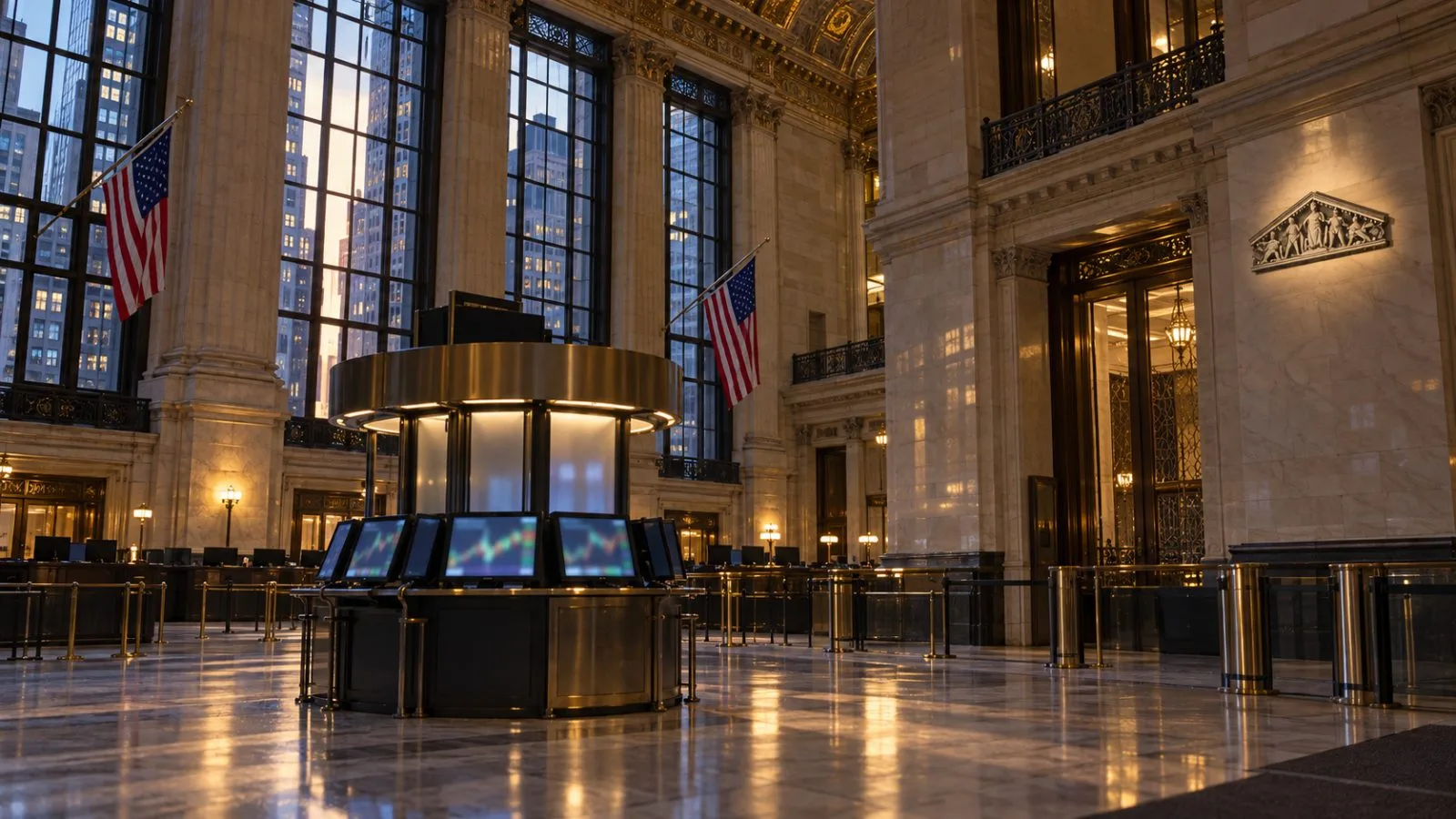
The New York Stock Exchange is developing a tokenized-securities platform, extending the market-infrastructure plans of parent Intercontinental Exchange (ICE), whose electronic power-trading business launched in 2000.
ICE founder and CEO Jeffrey Sprecher bought Continental Power Exchange from MidAmerican Energy in 1997. The purchase price is often put at $1,000 plus assumed debt, but Sprecher later said, “I don't remember if I paid $1 or $1,000.” Berkshire Hathaway agreed to acquire MidAmerican in October 1999 and completed the purchase in March 2000, after Sprecher’s deal.
MidAmerican had invested about $35 million in the struggling business, which was losing roughly $1 million a month. Sprecher and eight colleagues spent three years building its electronic trading platform before launching ICE in May 2000.
ICE held its initial public offering on Nov. 16, 2005, at a market capitalization of just over $1 billion. In November 2013, it completed its approximately $11 billion stock-and-cash acquisition of NYSE Euronext, becoming the parent of the New York Stock Exchange.
For 2025, ICE recorded $12.640 billion in total revenue, $9.931 billion in revenue less transaction-based expenses, and $3.315 billion in net income. The company had 12,844 employees at year-end. ICE’s market capitalization was estimated at $98 billion in January 2026.
The NYSE announced on Jan. 19, 2026, that it was developing a tokenized-securities platform designed for around-the-clock trading, instant settlement and stablecoin-based funding. The planned venue is subject to regulatory approvals. In March, the NYSE and Securitize announced work on transfer-agent infrastructure for the platform.
ICE’s path from electronic power trading to ownership of the NYSE included a public offering and a major exchange acquisition. The planned platform brings that market-infrastructure focus to tokenized securities and blockchain-based settlement, while remaining under development and subject to regulatory approvals.
John Kim
John Kim reports on the digital-asset business for TokenPost. Send corrections or tips to info@tokenpost.com.