
 Add as a preferred source on Google
How Nvidia and TSMC began a 30-year alliance by choosing who to work with
Jensen Huang said Nvidia chose TSMC for its integrity, clear principles and commitment to partnership, laying the foundation for a 30-year alliance built around mutual success.

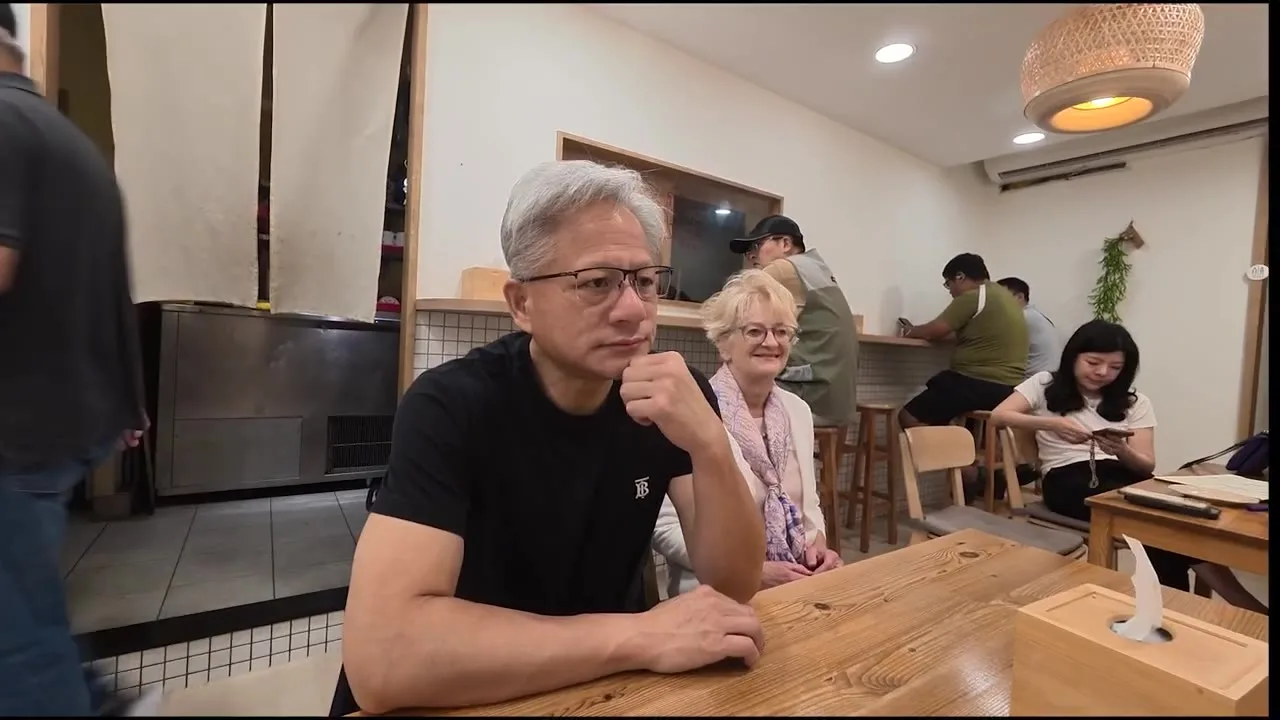
Nvidia’s 30-year partnership with TSMC began with a choice grounded in core values and long-term trust rather than manufacturing terms, according to CEO Jensen Huang. He said selecting the right partner to solve future problems mattered more than trying to control every variable through contracts.
In an Oct. 17 interview with Lex Clips, Huang recounted his first contact with TSMC founder Morris Chang and how the relationship between the two companies developed.
Huang said Nvidia was searching for a foundry in 1996 as the personal computer revolution drove demand for semiconductors. Many chipmakers had entered the foundry business, but access to their manufacturing capacity could require customers to license their technology.
After hearing that TSMC and UMC offered manufacturing without such conditions, Huang repeatedly called TSMC’s U.S. office but received no reply. He then sent Chang a lengthy letter and eventually received a call from him one evening. Huang recalled being delighted that the founder had called personally, saying it meant Nvidia “maybe won’t have to die.”
Invited by Chang, Huang traveled to Taiwan and visited UMC and TSMC on the same day. Both companies were eager to work with Nvidia, but TSMC’s firm principles on corporate governance, integrity and partnership ultimately shaped his decision.
Huang said Chang also inspired confidence by clearly stating what TSMC could not do. Chang promised that if the companies worked together, TSMC would overcome every obstacle, Huang said, adding that the foundry had kept its word for 30 years.
Chipmaking is not the same as buying a finished product, Huang said. Because neither every detail nor every future contingency can be settled in advance, the central decision is not what to buy but whom to build with. “It wasn’t about what to buy,” he said. “It was about who you’re choosing to work with.”
The partnership endured by prioritizing mutual success over short-term gains, Huang said. While an outcome may occasionally favor one side, he argued that a relationship can balance out over time.
Huang said Nvidia’s relationships with its employees likewise are not governed solely by rigid contracts, but by a continuing choice to work together. He said the same principle applies to TSMC: each partner must know that the other genuinely wants it to succeed, and that commitment should be reflected in business decisions and day-to-day cooperation.
Huang also acknowledged that Nvidia was built on the platforms provided by TSMC and Taiwan’s semiconductor industry. The relationship is about deciding to create something together rather than simply buying a product, he said, warning that pressuring suppliers through short-term price competition can be remembered across the industry for years.
Riza Dagoc
Riza Dagoc reports on regulation, investing and the digital-asset business for TokenPost. Send corrections or tips to info@tokenpost.com.