
 Add as a preferred source on Google
Strive expands preferred stock offering to $700 million, targets 18-month dividend cash reserve
Strive expanded its SATS preferred stock offering to $700 million for further Bitcoin purchases and plans to maintain U.S. dollar cash covering 18 months of dividend obligations.


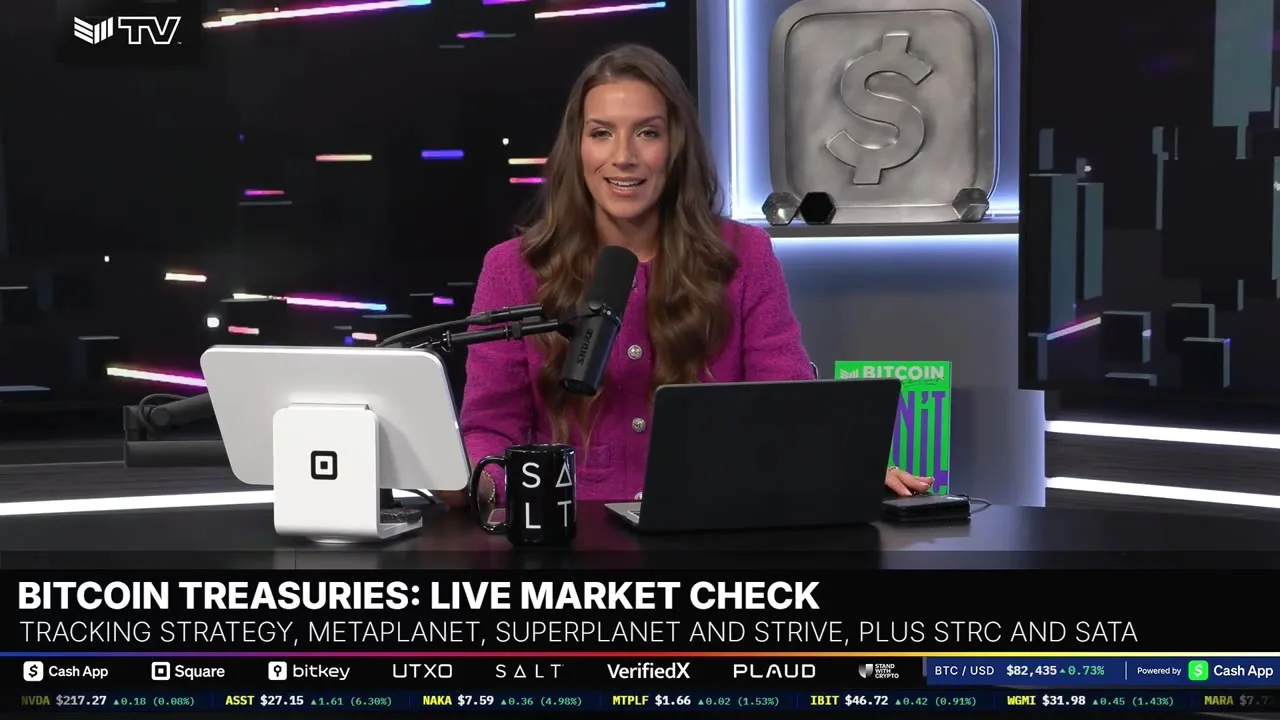
Strive expanded its new SATS perpetual preferred stock offering to $700 million to fund additional Bitcoin purchases, while planning to maintain enough U.S. dollar cash to cover 18 months of dividends.
The strategy combines preferred equity financing for Bitcoin accumulation with a cash buffer against dividend obligations. Adding a fixed-dividend instrument gives the company another way to raise capital as market conditions change.
In an October 20 interview with Bitcoin Magazine, Strive Chief Risk Officer Jeff Walton said the company increased the SATS offering from an initial $500 million to $700 million. Demand exceeded that amount by hundreds of millions of dollars, he said, but the company considered $700 million the appropriate size.
Strive held about 30 investor meetings over two days before the offering. Walton said banking partners arranged the discussions, during which the company explained the product, its purpose and its track record. Feedback gathered through ongoing conversations with existing preferred stock investors helped shape the offering.
Some institutional investors wanted an instrument with greater volatility, while others sought a fixed dividend rate, Walton said. Investors considering selling real estate to buy perpetual preferred equity wanted certainty about future income. Some Bitcoin bulls also worried that an improvement in Strive's credit quality could lead to lower rates on its variable-rate product.
Warrant exercises provided another source of funding for Bitcoin purchases. Walton said roughly $700 million of warrants associated with the company's reverse merger about a year earlier expired on October 12, with about 93% exercised. He said the resulting issuance of ASST common shares brought in around $700 million of fresh capital that the company could deploy into Bitcoin.
Walton presented SATS as a complement to the company's existing SATA preferred stock. Strive incorporated a restriction into its charter preventing SATA issuance below $100 a share. SATA had traded at or above that level on only about 25% of trading days during its roughly one-year trading history, limiting the company's opportunities to raise capital through the instrument.
SATS is not managed toward a $100 trading price, giving Strive more flexibility to issue shares, Walton said. He anticipated an at-the-market issuance program for SATS. As a hypothetical example, he described Bitcoin falling 10% in a day while the preferred stock declined just 1% or 2%, potentially leaving a financing option available when common equity or SATA was less accessible. A SATS price above $100 could also lower its effective dividend yield and Strive's cost of capital, he said.
Walton said Strive manages the risks of additional preferred issuance by assessing its ability to meet dividend payments. The company intends to maintain an 18-month dividend reserve in U.S. dollar cash, which it could use during severe capital market disruptions or Bitcoin volatility. Its Bitcoin holdings would provide an additional buffer behind that cash.
The cash target is tied to dividend obligations rather than a fixed proportion of Bitcoin holdings, Walton said. A rise in Bitcoin's price could reduce the preferred equity burden relative to assets and create room for further issuance, while the dollar reserve would remain linked to the resulting dividend commitments.
Walton said further financing would depend on market appetite, Bitcoin's price, securities trading volumes and liquidity, among other factors. He emphasized that perpetual preferred equity has no principal maturity and should be assessed differently from a conventional loan. He said the 18-month reserve target reflected the company's analysis of historical Bitcoin bear markets, including a scenario in which it had no access to capital markets.
Riza Dagoc
Riza Dagoc reports on regulation, investing and the digital-asset business for TokenPost. Send corrections or tips to info@tokenpost.com.