
 Add as a preferred source on Google
Bolivia Estimates Gas Reserves at 3.7 Trillion Cubic Feet
The value of natural gas exports fell 33.3% in 2025, while Bolivia continued to import gasoline and diesel.

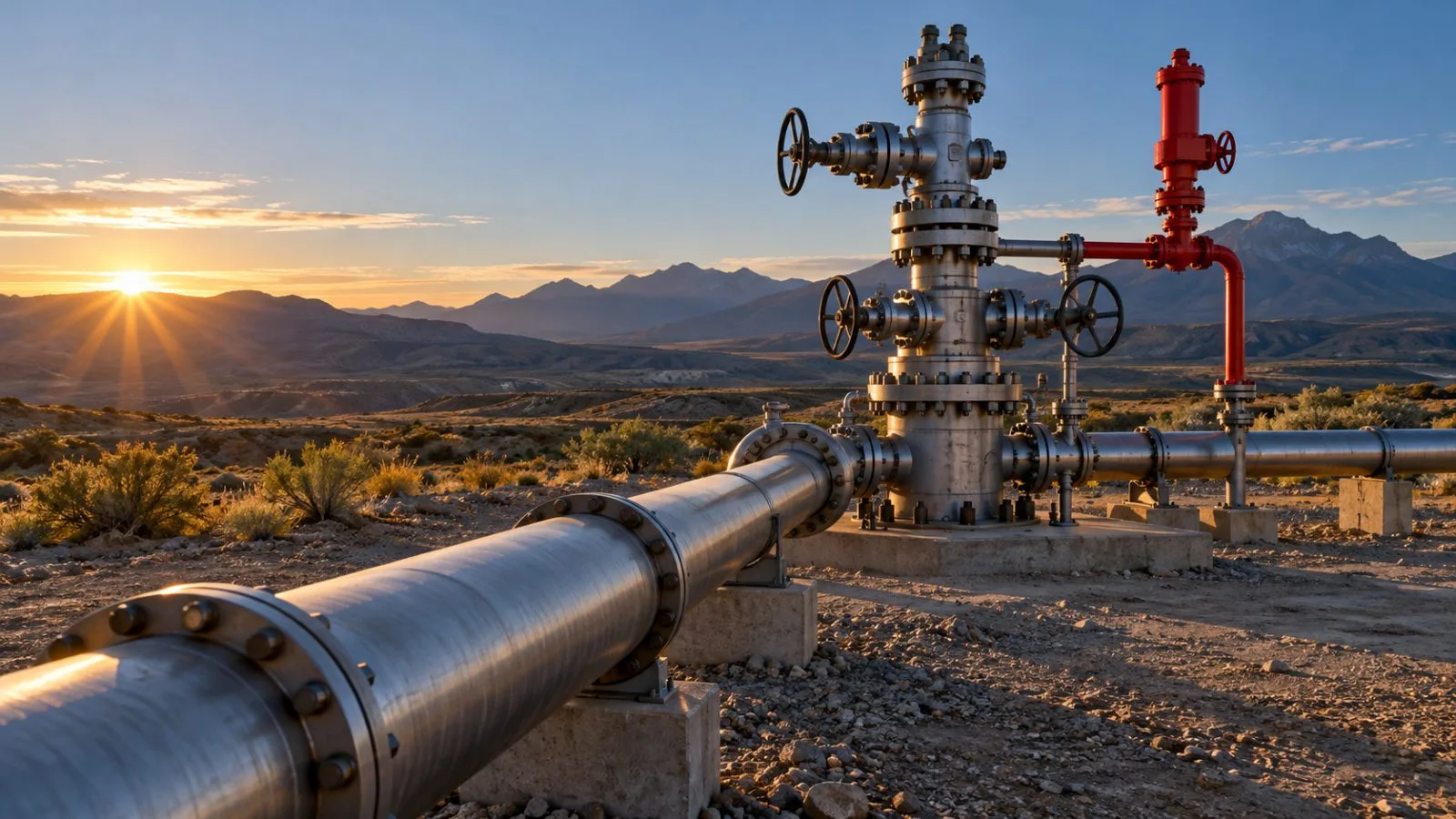
Bolivia estimated its proved natural gas reserves at 3.7 trillion cubic feet at the end of 2025, highlighting pressure on an energy sector with falling gas exports and continued motor fuel imports.
The estimate was calculated by subtracting gas consumed through Dec. 31, 2025, from the country's last certified reserves. That certification put proved reserves at about 4.5 trillion cubic feet at the end of 2023. The 3.7 trillion cubic foot figure is an estimate based on that earlier certification, rather than the result of a new certification for 2025.
The value of natural gas exports fell 33.3% to $1.077 billion in 2025 from $1.615 billion in 2024. Export volume declined 26.4% over the same period. Those figures describe gas shipped abroad; Bolivia continued to import gasoline and diesel for domestic use.
The distinction matters for the country's response. Natural gas reserves concern the fuel Bolivia exports, while its refineries process crude oil into motor fuels. Measures aimed at supplying gasoline and diesel do not add to proved natural gas reserves.
On Oct. 2, the International Monetary Fund approved a 36-month financing program of roughly $1.9 billion for Bolivia. About $214 million became available immediately, with later payments tied to program reviews. The program calls for phasing out remaining fuel subsidies while providing more targeted support to households.
Bolivia has also changed the rules for supplying its refineries. A Sept. 7 decree authorized two state refineries to import crude oil, process it domestically and sell the resulting fuels at market prices without a state subsidy. That step addresses access to crude for motor fuel production.
An agreement signed Oct. 19 sets a target of raising the ethanol blend in gasoline to 15% starting Nov. 1. The change depends on technical, financial, economic and legal reviews, as well as the required regulation. The state oil company and sugar mills are due to finalize supply contracts by Oct. 30.
John Kim
John Kim reports on the digital-asset business for TokenPost. Send corrections or tips to info@tokenpost.com.