
 Add as a preferred source on Google
OpenAI Startup Fund Co-Leads $45 Million Round for Coherence Neuro
The funding will support development of SOMA, a proposed long-term brain cancer implant. Coherence’s human study so far uses a separate temporary surgical probe.

The OpenAI Startup Fund and Founders Fund co-led a $45 million financing for Coherence Neuro, backing a proposed brain cancer implant that has yet to undergo long-term testing in people.
Coherence announced the Series A round Oct. 21 and plans to use the capital to develop SOMA. The proposed system would read electrical signals near a glioblastoma tumor and adjust stimulation as that activity changes. It is designed for ongoing monitoring and stimulation.
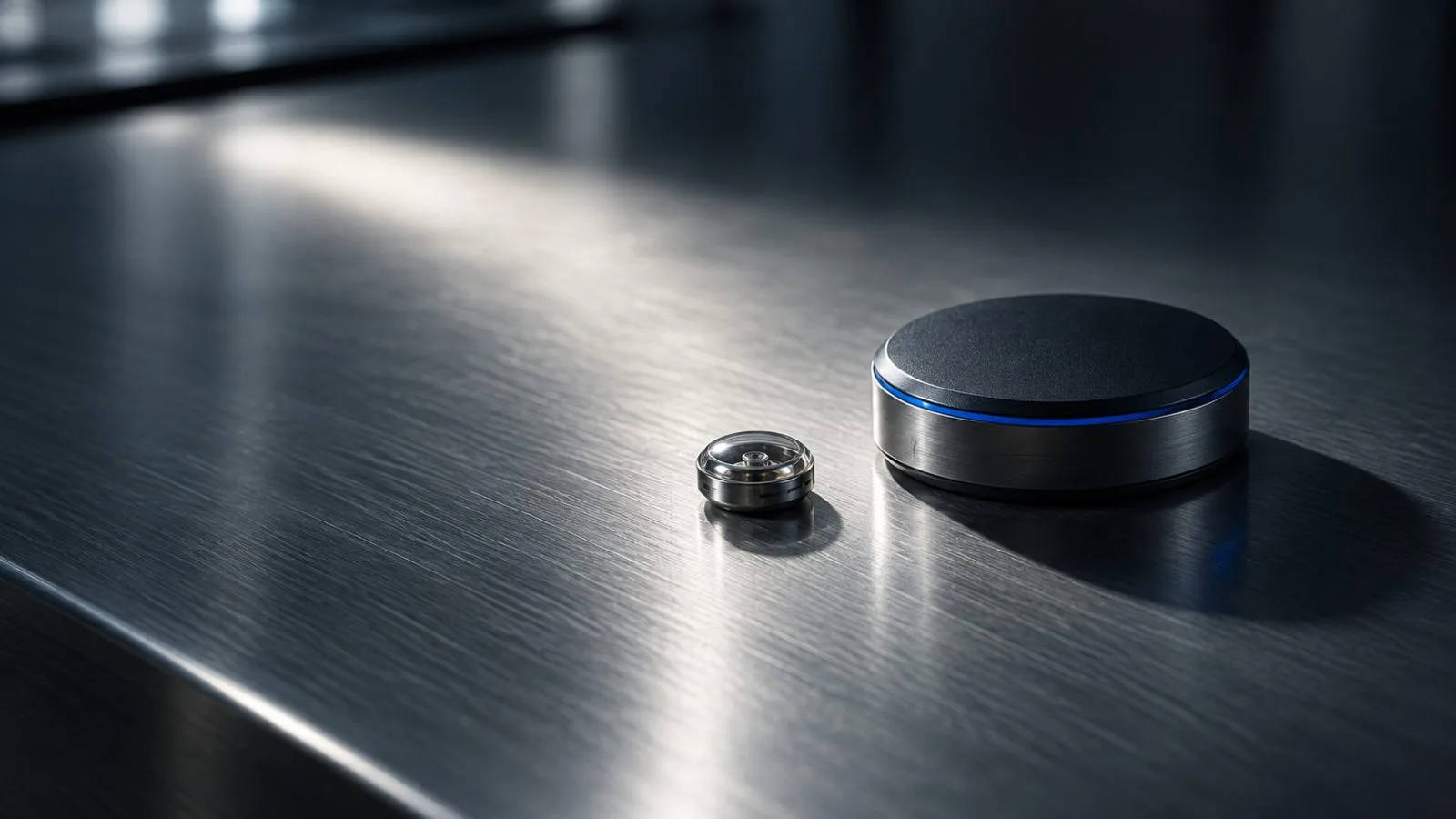
The system would pair a button-sized implant with a wearable device that supplies power and manages data. Coherence is preparing its first trial of a long-term implant in people with glioblastoma and is seeking a breakthrough device designation from the U.S. Food and Drug Administration. SOMA remains investigational and is not approved for human use.
Coherence’s current human study involves CIPHER, a separate, temporary probe used during brain tumor surgery. Clinicians at Royal Melbourne Hospital had completed the first CIPHER procedure by June 23. The study aims to enroll 10 people and examines short-duration recording and stimulation during tumor removal.
That surgical study assesses safety and basic device performance. It cannot establish whether SOMA can track tumor progression in patients or improve treatment outcomes. CIPHER’s use during surgery also differs from the long-term use planned for SOMA.
In mouse research posted July 7 as a preprint, neural recordings correctly distinguished high from low tumor burden in 41 of 56 observations, or 73%. That figure describes classifications in mice, not cancer detection accuracy in patients. The approach’s reliability in people remains to be tested.
The financing follows a separate OpenAI investment in Merge Labs in January. OpenAI planned to collaborate with that brain-computer interface venture on scientific foundation models and other frontier tools. OpenAI itself invested in Merge Labs, while the OpenAI Startup Fund co-led Coherence’s round; the ventures pursue different technologies.
Coherence CEO Ben Woodington said its arrangements would give OpenAI no access to “any brain data or other health data that we're generating.” Coherence’s next planned steps are to pursue the FDA designation and begin its first long-term implant trial.
John Kim
John Kim reports on the digital-asset business for TokenPost. Send corrections or tips to info@tokenpost.com.