
 Add as a preferred source on Google
Blacksmith Raises $66 Million as Valuation Reaches $1 Billion
The company handled more than 90 million continuous integration jobs a week by Oct. 21, up from 5 million in January.

Blacksmith raised $66 million in a Sequoia Capital-led Series C at a $1 billion valuation, giving the software testing company funding to expand after a sharp rise in automated build-and-test work.
Blacksmith announced the financing Oct. 21. Premji Invest and existing investors Peak XV Partners, GV and Y Combinator also participated, bringing the company’s total funding to $125 million.
Blacksmith provides computing capacity for continuous integration, or CI. Developers use the automated process to build and test code changes before merging them into a software project. AI tools can help developers produce more code, but those changes still need to be checked.
The company handled more than 90 million CI jobs a week by Oct. 21, up from 5 million in January. Its annual recurring revenue grew 17-fold over the same period, and more than 10,000 companies use its platform. The job count covers both builds and tests, rather than testing alone.
“As agents write more of the world's software, the question that matters is whether it can be trusted,” Blacksmith co-founder and CEO Aditya Jayaprakash wrote.
The new valuation is nearly double the $550 million valuation set by Blacksmith’s previous $45 million Series B. Blacksmith raised that round in March but did not announce it until August. The two financing rounds were therefore about seven months apart, despite the shorter gap between their announcements.
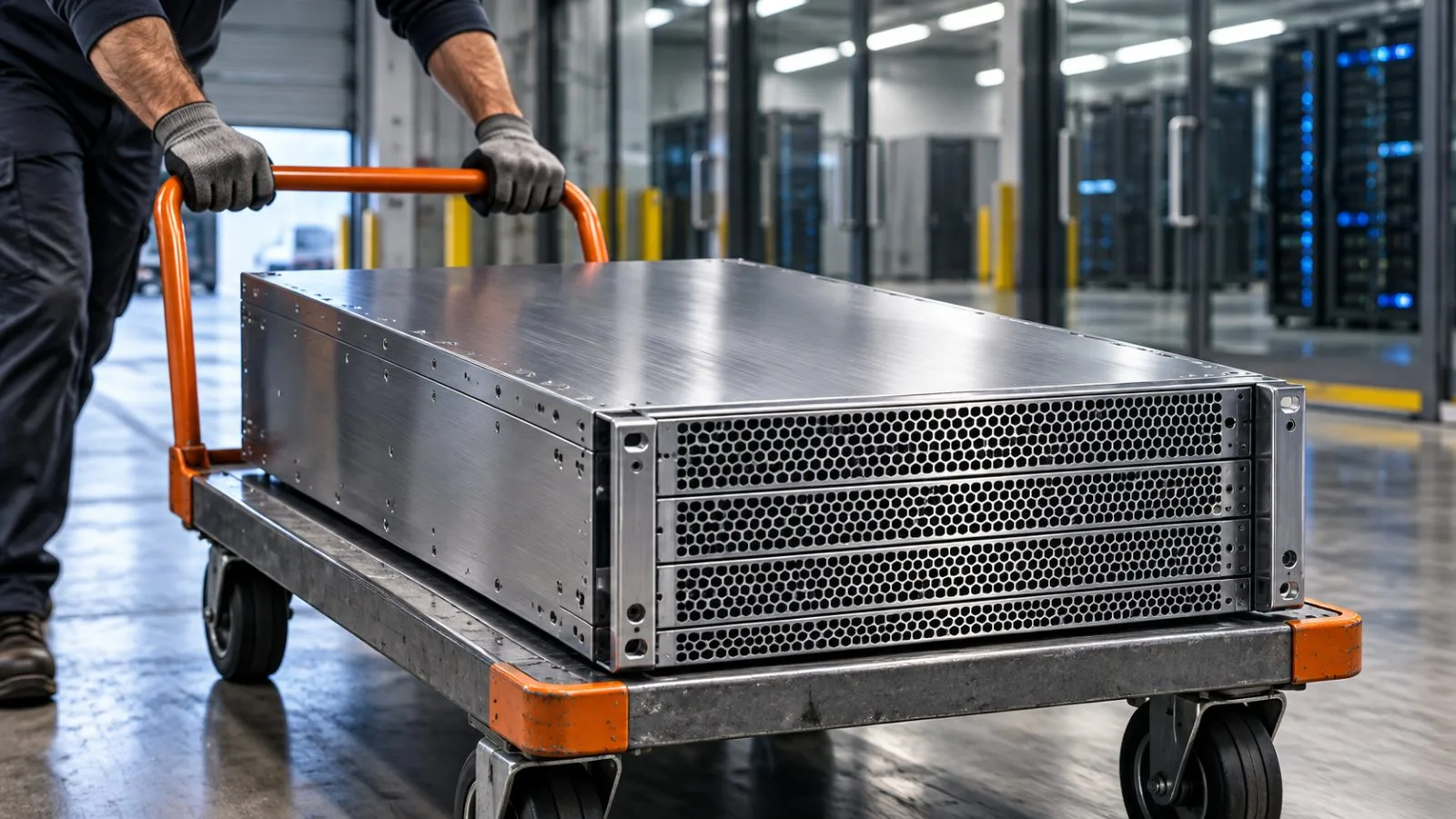
Blacksmith buys and installs its own servers to run CI workloads. It competes with GitHub’s hosted CI machines and coding tools that can run tests. The growth in weekly jobs shows why computing capacity has become a focus of the company’s funding plans.
Its computing footprint spans U.S. and European data centers and totals slightly less than 10 megawatts. It plans to use the new funding to expand its team and increase that computing footprint fivefold in 2027.
John Kim
John Kim reports on the digital-asset business for TokenPost. Send corrections or tips to info@tokenpost.com.