
 Add as a preferred source on Google
Taiwan Foundry 聯電 Board Approves About $3.2 Billion for Expansion
Third-quarter capacity utilization reached 92%, while shares fell as much as 8.98% in Taiwan trading. The projects target silicon photonics, silicon capacitors and thin-film lithium niobate.

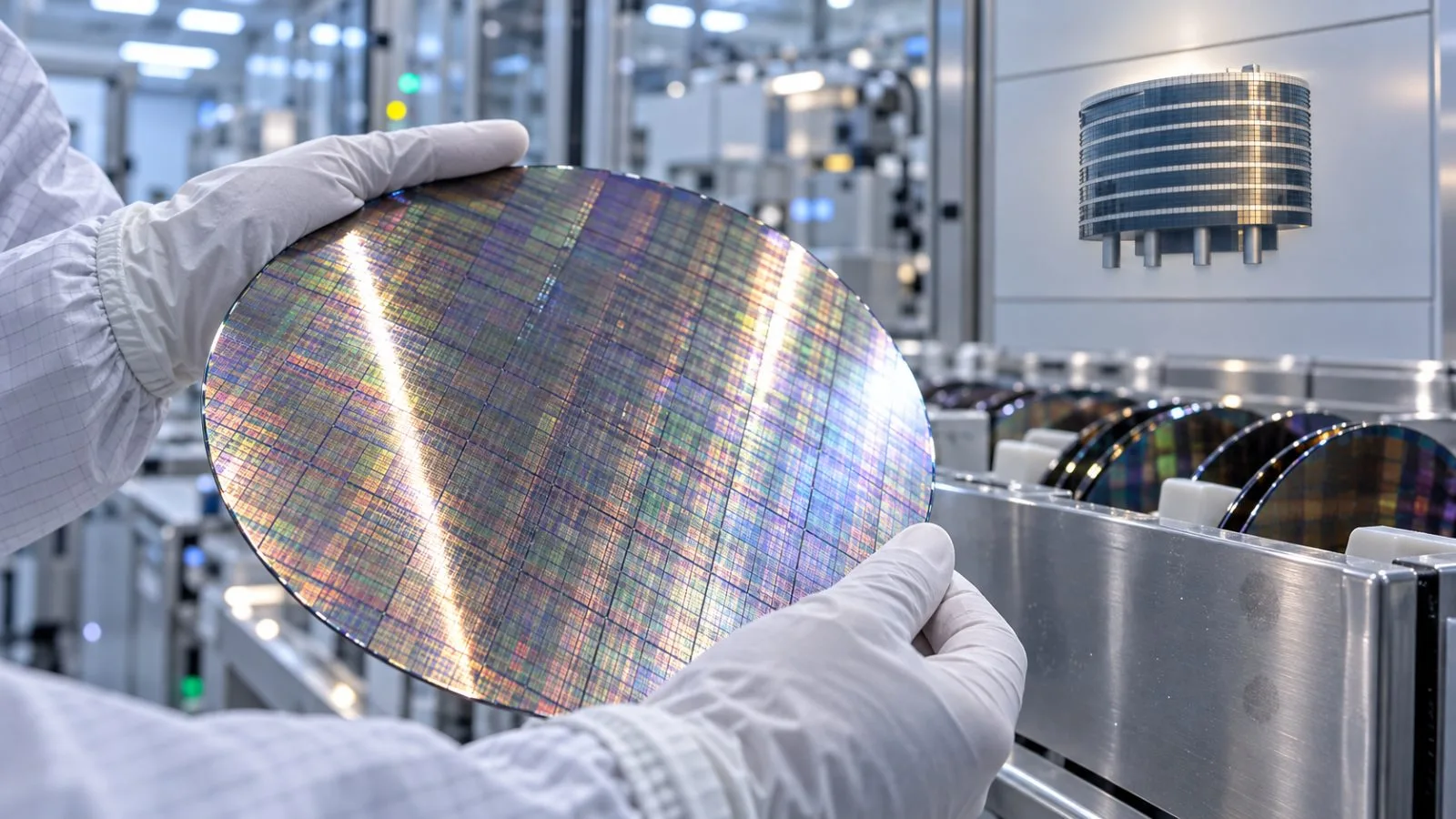
The board of Taiwanese foundry 聯電 (2303) approved about $3.2 billion in added spending for projects in Singapore and Tainan as quarterly wafer shipments hit a record and shares fell.
Shares dropped as much as 8.98% to NT$116.5 during Taiwan trading Thursday, Oct. 29, reaching their lowest level in nearly two months. Third-quarter wafer shipments increased 7.3% from the previous quarter to 1.212 million 12-inch-equivalent wafers. Capacity utilization rose to 92% from 85%, with several 12-inch plants operating at full capacity.
Revenue increased 25.6% from a year earlier to NT$74.24 billion, the company’s second-highest quarterly total. Net income was NT$16.43 billion, or NT$1.32 per share. Net income fell 61.1% from the second quarter as nonoperating income declined to NT$1.27 billion from NT$30.24 billion.
Revenue from 22-nanometer and 28-nanometer processes reached a quarterly record and made up 35% of wafer revenue. The 22-nanometer share rose to 18.3% from 17.5% in the second quarter.
The new spending covers silicon photonics, silicon capacitors and thin-film lithium niobate (TFLN). Equipment installation is expected to begin late in 2028, with the projects targeted to reach planned scale in 2030.
CEO 王石 said the company expects wafer shipments to rise 1% to 3% in the fourth quarter from the third quarter, with capacity utilization at 91% to 93%. It expects dollar-denominated average selling prices to hold steady and gross margin to stay near the third-quarter level. For 2027, the company expects average selling prices to increase about 10% from 2026, supported by a stronger product mix and foundry price increases.
王石 also set a goal of raising AI-related revenue to 25% of quarterly revenue within three years. CFO 劉啟東 said higher depreciation and raw-material costs would weigh on gross margin even with wafer-price increases. 王石 warned that shipment growth could become more constrained as utilization remains above 90% and more processes approach full capacity.
John Kim
John Kim reports on the digital-asset business for TokenPost. Send corrections or tips to info@tokenpost.com.