
 Add as a preferred source on Google
Samsung Expects 2027 AI Memory Demand to Outstrip Supply
The company estimates 2026 capital spending at 84.4 trillion won, including 76.8 trillion won for semiconductors, though the plan may change with market conditions.

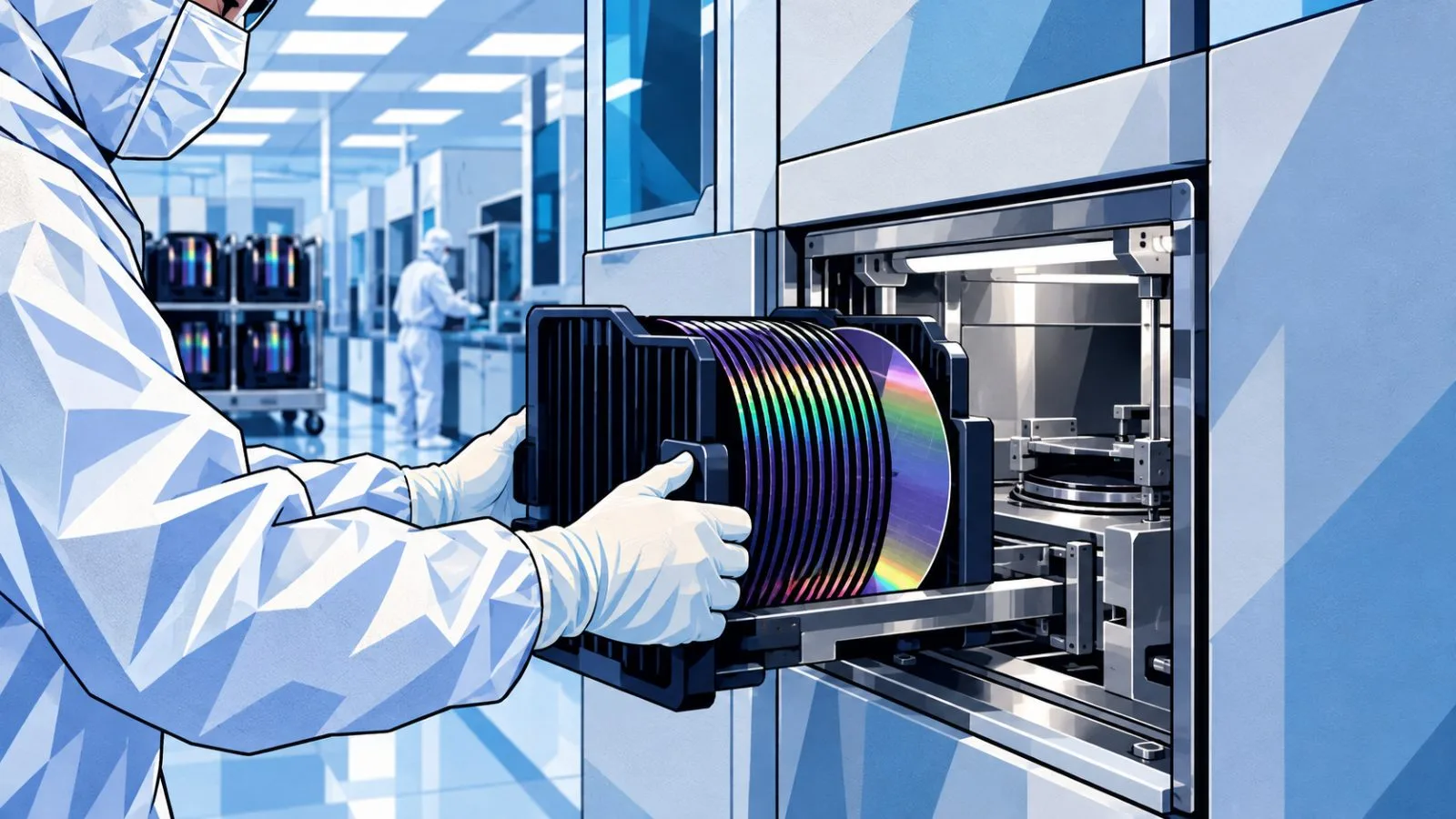
Samsung expects AI-driven memory demand in 2027 to outstrip industry supply, while directing most of its estimated 2026 capital spending to semiconductors as it prepares capacity for artificial intelligence and high-performance computing.
Samsung estimates total capital spending at 84.4 trillion won in 2026, including 76.8 trillion won for its semiconductor division. The company said the plan could change with market conditions.
Its memory business expects AI infrastructure spending to reach a record in 2027. Samsung expects demand for AI memory to exceed available industry supply and plans to use multiyear contracts to build a steadier sales base.
Samsung reported 2026 third-quarter revenue of 195.25 trillion won and operating profit of 107.44 trillion won. Its semiconductor division generated 147.1 trillion won in revenue and 106.5 trillion won in operating profit. The memory business set quarterly records for both revenue and operating profit, while HBM4 sales increased sharply.
Capital spending totaled 29 trillion won in the third quarter of 2026, including 27.2 trillion won for semiconductors and 1.1 trillion won for Samsung Display. Spending for the first nine months of 2026 reached 56.9 trillion won, up 24.7 trillion won from the same period a year earlier. Third-quarter spending rose 12.2 trillion won from the previous quarter and 19.8 trillion won year over year.
Samsung plans to use semiconductor investment for new fabs and other infrastructure supporting AI and high-performance computing. The final results were slightly above Samsung's preliminary third-quarter estimates.
John Kim
John Kim reports on the digital-asset business for TokenPost. Send corrections or tips to info@tokenpost.com.