
 Add as a preferred source on Google
Oil Majors’ Refining Earnings Jump as Tight Fuel Supplies Lift Margins
Chevron’s downstream earnings more than quadrupled to $4.9 billion year over year. Shell, BP, TotalEnergies and ExxonMobil also posted higher refined-products margins this week.

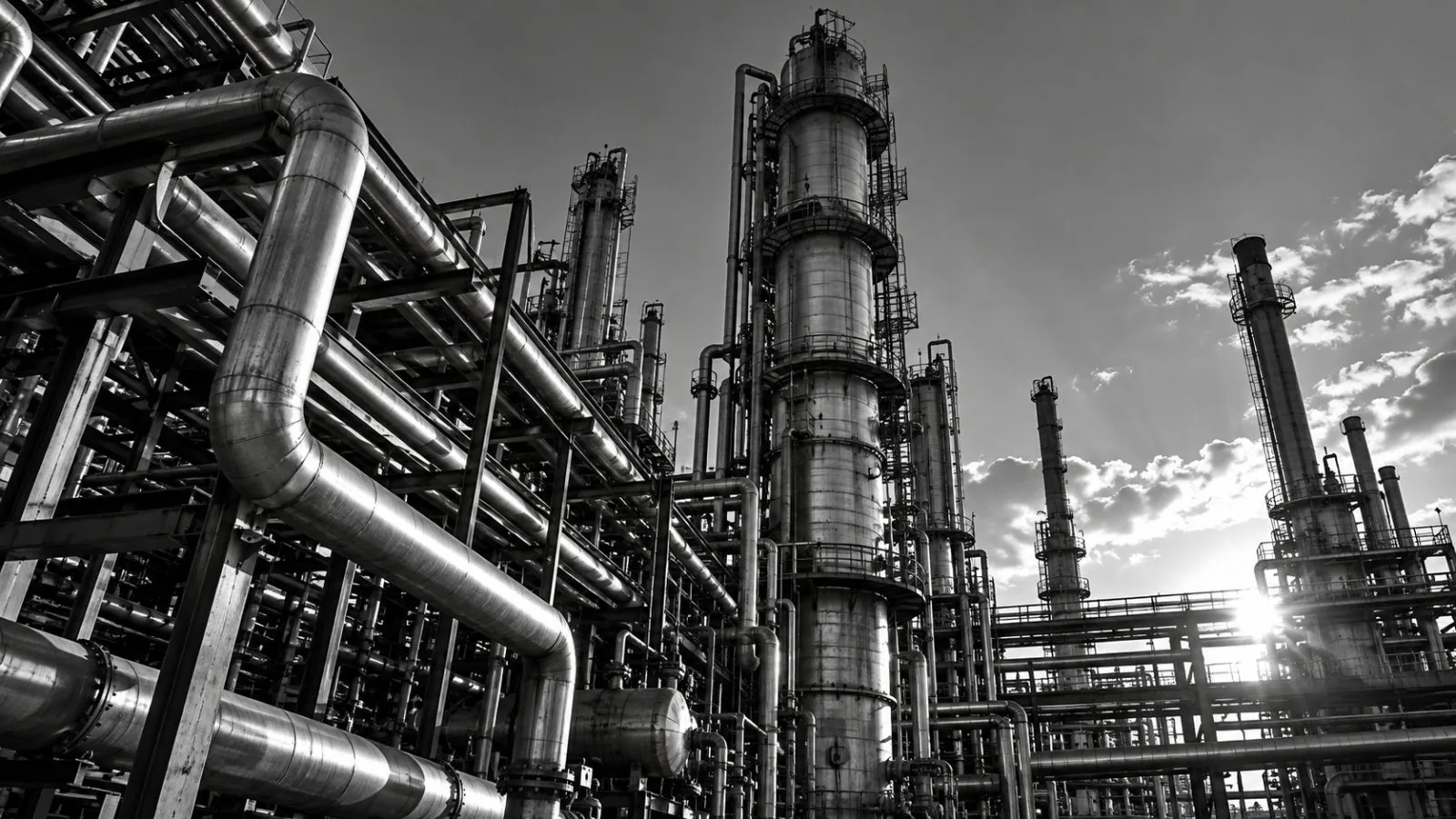
Chevron’s downstream earnings more than quadrupled year over year to $4.9 billion as tight refined-fuel supplies lifted margins, while disruptions and refinery closures constrained global output. The results add to a week of higher refined-products margins at several major oil companies.
Shell, BP, TotalEnergies and ExxonMobil also posted higher margins in their refined-products businesses. Chevron did not provide a standalone refining-margin figure comparable with those measures; its results tied higher downstream earnings to stronger margins on refined-product sales. Oil companies said they were running facilities near capacity to meet demand.
President Donald Trump criticized ExxonMobil and Chevron in August, saying they were making “too much money” amid a fuel shortage. Higher crude prices have also supported earnings at some integrated oil majors, which operate both oil-and-gas production and refining businesses, even as consumers face higher energy prices.
Supply pressures include Ukrainian drone strikes on Russian refineries, disruptions to Middle East energy infrastructure and supply chains tied to the Iran war and Houthi attacks on Saudi Arabia. Those pressures have added to refinery closures in Europe and North America, while new capacity has come online elsewhere. European Commissioner for Energy and Housing Dan Jørgensen said roughly one in four refineries in the European Union has shut over the past 20 years and warned of an energy-security crisis.
Raphael Portela, Wood Mackenzie’s director for corporate strategy and analytics, said crude barrels were still leaving the Gulf at a steep freight premium, while much of the diesel and jet fuel they would have produced was not reaching the market. He said easing the crunch would require greater crude availability, Gulf refineries restarting and Russian exports returning. “A Hormuz settlement would hit margins quickly on sentiment, but with inventories this depleted, the physical tightness carries well into 2027,” Portela said.
John Kim
John Kim reports on the digital-asset business for TokenPost. Send corrections or tips to info@tokenpost.com.