
 Add as a preferred source on Google
Lightbridge Targets Up to 20% Reactor Output Gain With High-Capacity Steam Generators
The 20% figure remains a design target. Fuel samples removed in May 2026 are undergoing examination, and CEO Seth Grae expects initial meaningful results in the first half of 2027.

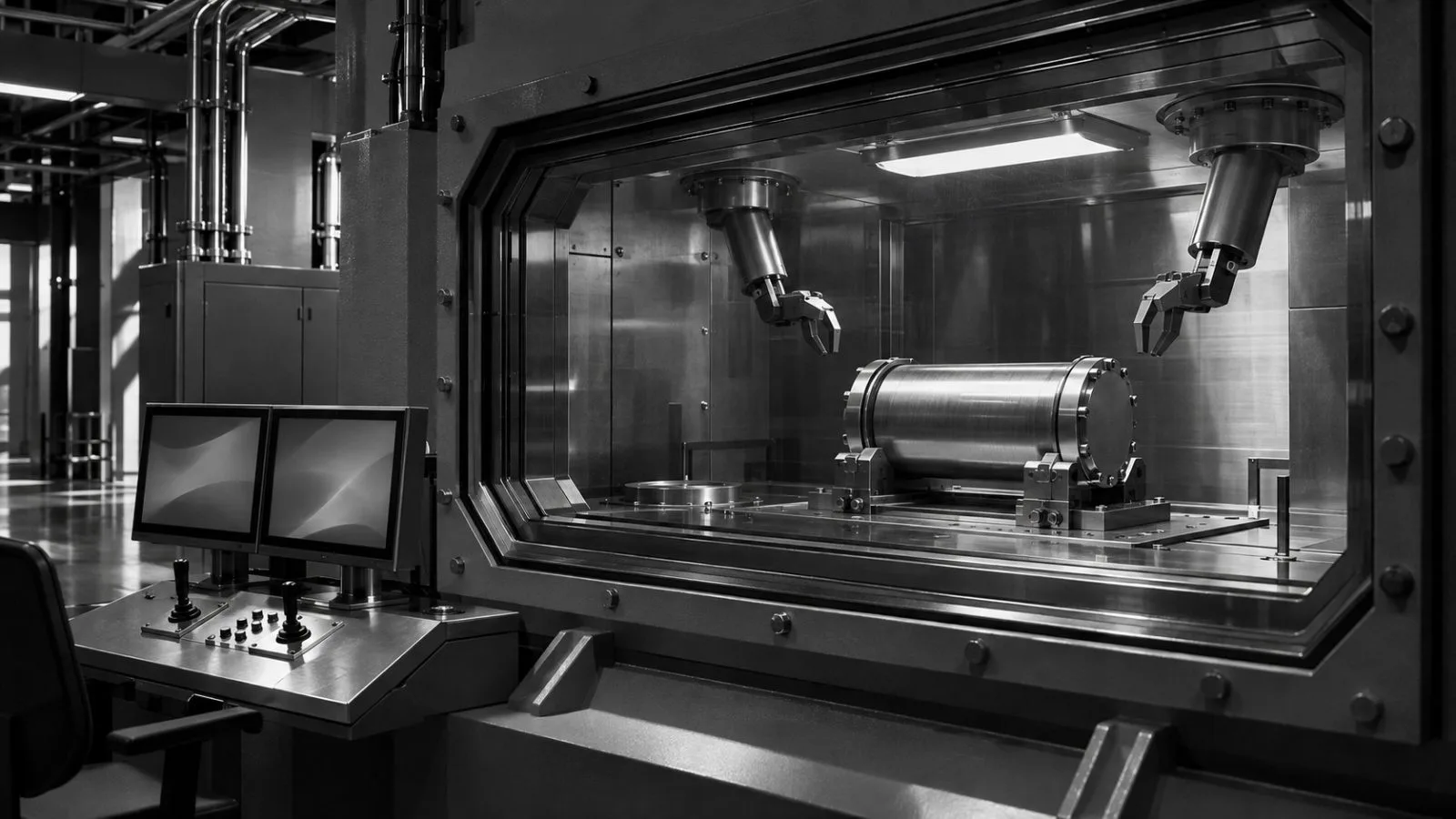
Lightbridge Corporation’s experimental fuel has a design target of raising power output by as much as 20% at existing reactors that switch to high-capacity steam generators. The company’s testing and licensing work is intended to determine whether the fuel can meet that target.
For plants that retain their existing steam generators, Lightbridge’s design goal is up to 10% more output. The company has not confirmed either target through testing, so both remain goals rather than demonstrated results. A reactor uprate increases a plant’s maximum licensed operating power and requires Nuclear Regulatory Commission (NRC) approval.
The first batch of fuel-material samples was removed from the Advanced Test Reactor in May 2026 and is undergoing post-irradiation examination at Idaho National Laboratory (INL). Chairman and CEO Seth Grae expects to announce initial meaningful findings during the first half of 2027.
Lightbridge plans a pilot facility at INL to produce lead test assemblies for possible trials at U.S. commercial reactors. On Aug. 24, the U.S. Department of Energy (DOE) selected Lightbridge for its Nuclear Energy Launch Pad at INL. The program selected 12 developers for 13 projects and provides a prioritized route through DOE’s authorization process.
Negotiations with the National Reactor Innovation Center (NRIC) and INL cover the project’s scope and agreements. The company had made no material binding construction commitments as of Sept. 30. Building and operating the facility still depend on additional agreements, reviews and authorizations from DOE and the laboratory.
A separate August task statement under Lightbridge’s research agreement with Battelle Energy Alliance provides access to the Advanced Test Reactor’s loop facility. The work covers irradiation tests of clad enriched uranium-zirconium rodlets under conditions intended to represent a commercial light-water reactor. Those tests are separate from examination of the first batch of samples.
Permission to build the pilot would be separate from approval to use its assemblies in a commercial reactor. Such use would still require NRC licensing and approval from a host utility. Lightbridge had $236.7 million in cash and cash equivalents and no debt as of Sept. 30, and expects the pilot facility and broader fuel program to require additional capital over time.
John Kim
John Kim reports on the digital-asset business for TokenPost. Send corrections or tips to info@tokenpost.com.