
 Add as a preferred source on Google
Energy Leaders See Demand Driving New Investment Opportunities
Baker Hughes CEO Lorenzo Simonelli expects industry activity to rise by a low-single-digit percentage in 2027, while other executives cited separate investment risks.

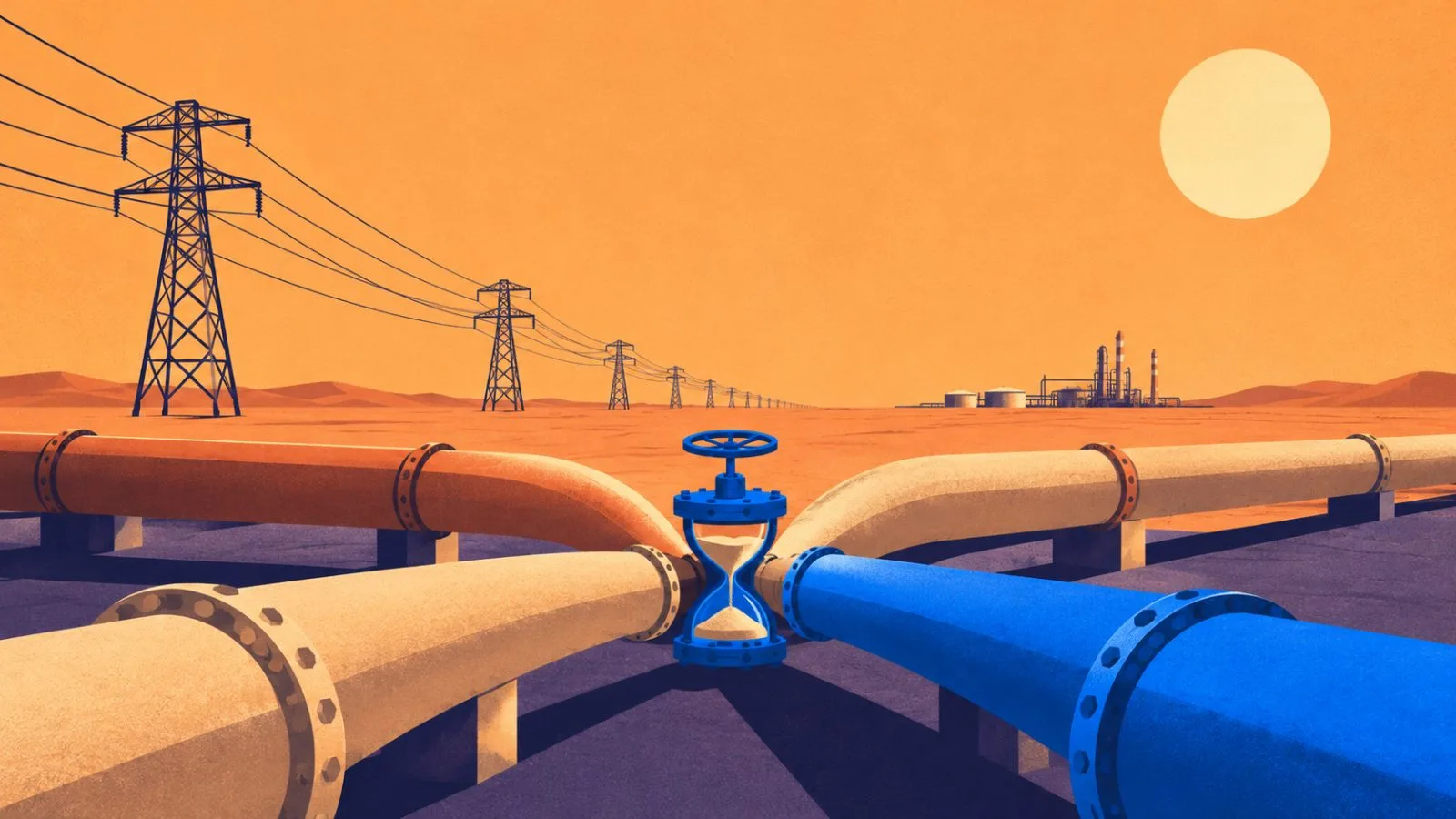
Energy executives see artificial intelligence, electrification and population growth supporting demand for power and fuels, while geopolitical risks, higher interest rates and oil-price uncertainty complicate investment decisions.
Several executives made remarks during the ADIPEC energy conference in Abu Dhabi, while other comments came in separate interviews or discussions. Across the conversations, leaders addressed power demand, infrastructure development and the uncertainty surrounding investment decisions.
Baker Hughes CEO Lorenzo Simonelli pointed to artificial intelligence, population growth and developing nations as forces supporting energy consumption. “I think we have a ‘demand decade’ ahead of us,” Simonelli said. He expects capital investment to increase over time as consumption grows and infrastructure needs expand.
Simonelli also expects industry activity to rise by a low-single-digit percentage in 2027. He said the Middle East conflict has highlighted the need for greater resilience across energy systems. That effort includes more storage and pipeline capacity, along with removing bottlenecks that can restrict supply.
RWE CEO Markus Krebber linked artificial intelligence and electrification to rising electricity demand. He said geopolitical tensions, strained supply chains and higher interest rates complicate investment decisions. Krebber described an environment with major opportunities alongside difficult conditions for investing.
Krebber said growth in computing capacity and related power demand would likely be gradual. His comments covered both the growth of computing resources and the electricity supply required to serve them.
BP CEO Meg O’Neill focused on the wide range of global energy-demand forecasts. She said those estimates matter for investment decisions because oil and gas projects can take years to develop and then remain in production for decades. O’Neill said BP needs to plan for a lower-price environment, citing uncertainty around oil prices.
Richard Bronze, co-founder and head of geopolitics at Energy Aspects, identified a risk on the supply side. He sees the possibility of oil-market oversupply in 2027 and 2028 if Middle Eastern flows return to normal.
Simonelli’s industry-activity projection and Bronze’s supply outlook address different parts of the market. Greater activity across the industry can coexist with a potential oil surplus if regional flows normalize.
Schneider Electric CEO Olivier Blum said the conflict has slowed some projects in the Persian Gulf. He said prospects for additional infrastructure have increased over the medium term.
John Kim
John Kim reports on the digital-asset business for TokenPost. Send corrections or tips to info@tokenpost.com.