
 Add as a preferred source on Google
Musk estimates SpaceX revenue run rate above $500 billion by next December, says it is no promise
Musk estimates SpaceX's annualized recurring revenue will exceed $500 billion by next December, while stressing that data center construction and chip supply constrain expansion.

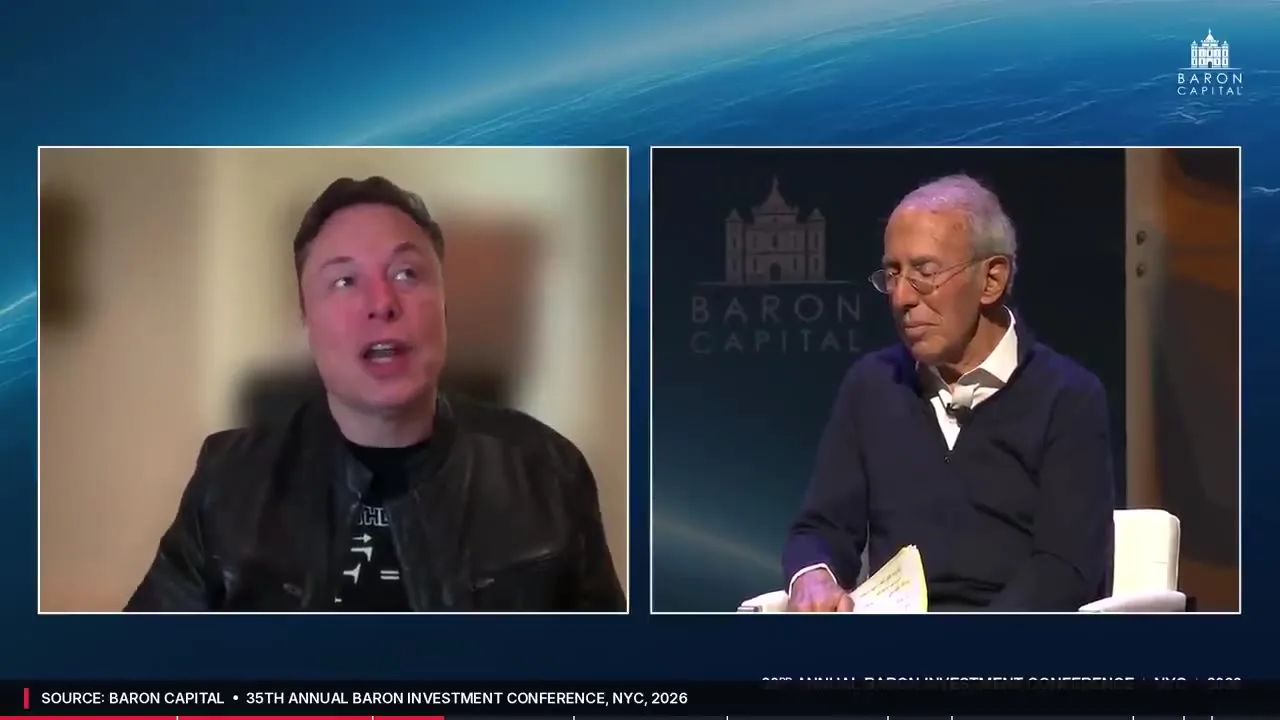
SpaceX could exceed an annualized recurring revenue rate of $500 billion by next December, according to Elon Musk, as he highlighted the economic benefits of AI data centers and the difficulty of expanding computing infrastructure.
In an interview featured on Brighter with Herbert on November 7, the Tesla and SpaceX CEO said SpaceX was on track for an annual revenue rate above $100 billion this December. Based on plans for next year, he considered an annualized recurring revenue rate above $500 billion by the following December quite likely.
Musk expressed greater confidence in the nearer target, saying December was close enough to give him good visibility and that it should be met barring an event such as a natural disaster. He qualified the following year's estimate: “This is not a promise.” The figures describe an annualized revenue pace at a particular point, rather than total revenue earned over a year.
He also put the probability of reaching a $1 trillion annualized recurring revenue rate by next December at about 2%. Musk said that outcome was no longer out of the question and that he believed its probability was increasing over time.
Musk described opposition to data centers as a potentially temporary concern. He argued that communities without them feared adverse effects, while Memphis was already benefiting from SpaceX's presence. Restaurants and hotels were full, he said, and the company sometimes paid twice the prevailing local wage.
He also cited support for local schools and increased tax revenue for the county and city. In his account, data centers were generating substantial economic activity that local businesses could already feel.
Expanding computing capacity remained difficult, Musk said. Ordering GPUs and commissioning a data center did not by itself ensure a completed, profitable operation. He argued that adding people who issue purchase orders would not increase construction output unless the workforce doing the physical work also grew.
Chip supply presented another constraint. Musk estimated global AI chip production, measured by operating power demand, at about 20–25 gigawatts this year and 35–45 gigawatts next year. He said securing a terawatt of capacity would require roughly 30 times next year's global production, and described plans to build a production facility at that scale.
Riza Dagoc
Riza Dagoc reports on regulation, investing and the digital-asset business for TokenPost. Send corrections or tips to info@tokenpost.com.