
 Add as a preferred source on Google
Wistron Sets Profit Record as Quarterly Revenue Tops NT$1 Trillion
Third-quarter net income reached NT$18.402 billion, while gross margin was 5.9%, below the company’s approximate 6% to 8% range over the past four years.

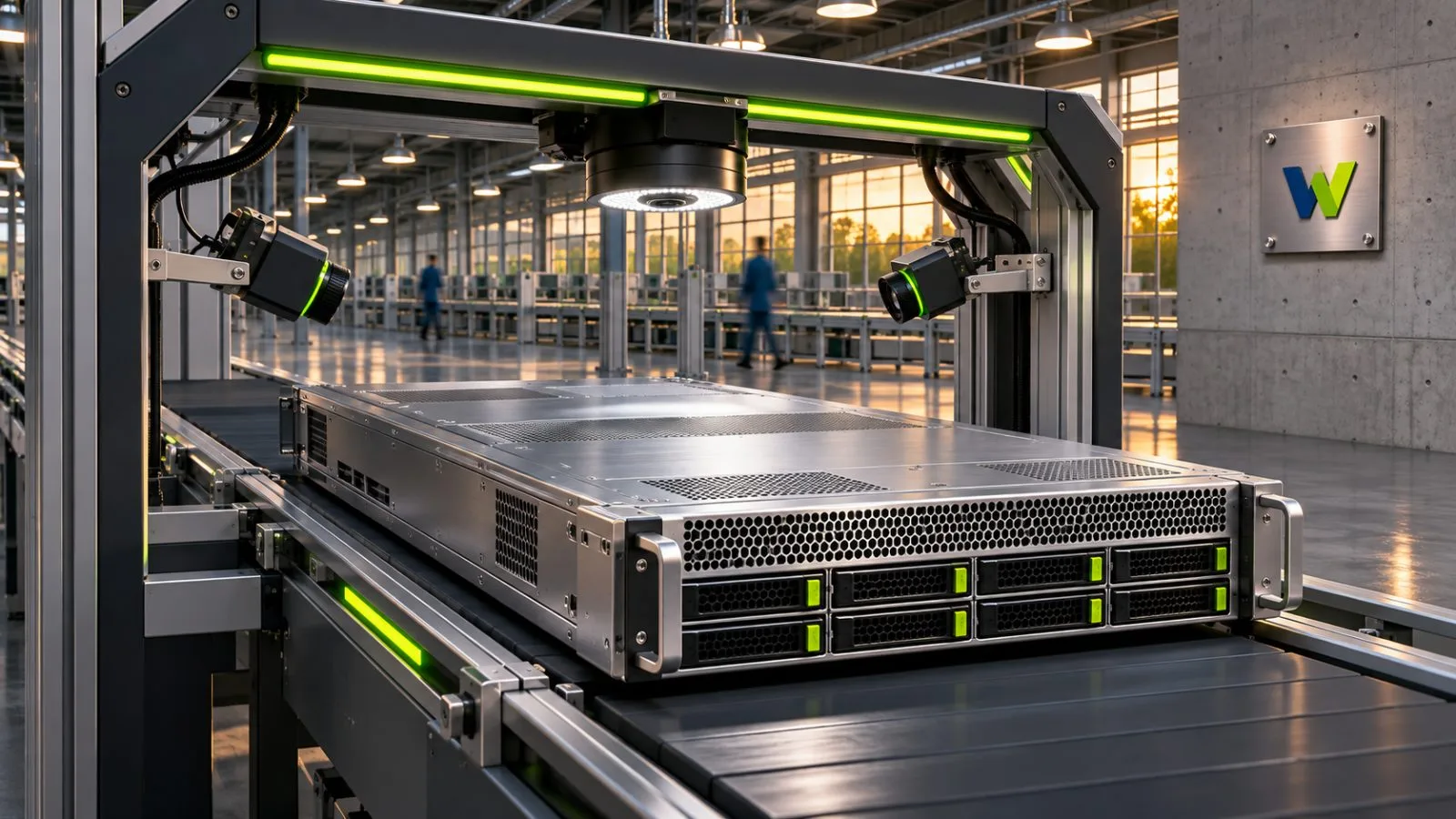
Wistron’s third-quarter revenue crossed NT$1 trillion for the first time, while net income reached a quarterly high of NT$18.402 billion as demand for AI servers expanded the company’s business.
Net income was more than twice the year-earlier level and 24% higher than in the second quarter. Earnings per share were NT$5.74. For the first nine months of 2026, net income totaled NT$42.86 billion, up 122.7% from a year earlier, and earnings per share reached NT$13.54. The board approved the quarterly financial report Nov. 11.
Gross margin came in at 5.9%, slightly above the second-quarter figure but below the roughly 6% to 8% range Wistron maintained over the previous four years. A greater mix of complete rack-scale AI servers, component shortages and higher component prices weighed on the measure as the business grew.
The board also approved nearly NT$12.866 billion in additional capital spending in Taiwan. About NT$11.927 billion is allocated for renovations and equipment at a facility in Southern Taiwan Science Park. Another nearly NT$940 million is planned for a new facility at Zhubei AI Smart Park.
Wistron is expanding production at its D1 site in Texas and building capacity at its D2 site. In California, it is upgrading a center for research and trial production of advanced AI computing equipment. The company also plans to invest $17.76 million, equivalent to about NT$583 million, at its Mexico plant to raise production capacity for servers and AI-related products.
The company’s plans also cover existing sites in Taiwan. Lease arrangements for two factories in Hsinchu Hukou and an office in Zhubei are set to be consolidated and extended by 10 years, with total lease costs estimated at no more than NT$2.8 billion.
New Taiwanese production lines could begin coming online as early as 2027, with some added capacity aimed at customer demand expected in 2028.
John Kim
John Kim reports on the digital-asset business for TokenPost. Send corrections or tips to info@tokenpost.com.