
 Add as a preferred source on Google
Intel CEO sees more AI corrections ahead as investment returns take time
Intel CEO Lip-Bu Tan expects further AI corrections as infrastructure spending outpaces revenue. He also highlighted memory shortages, power constraints and the need for disciplined investment.

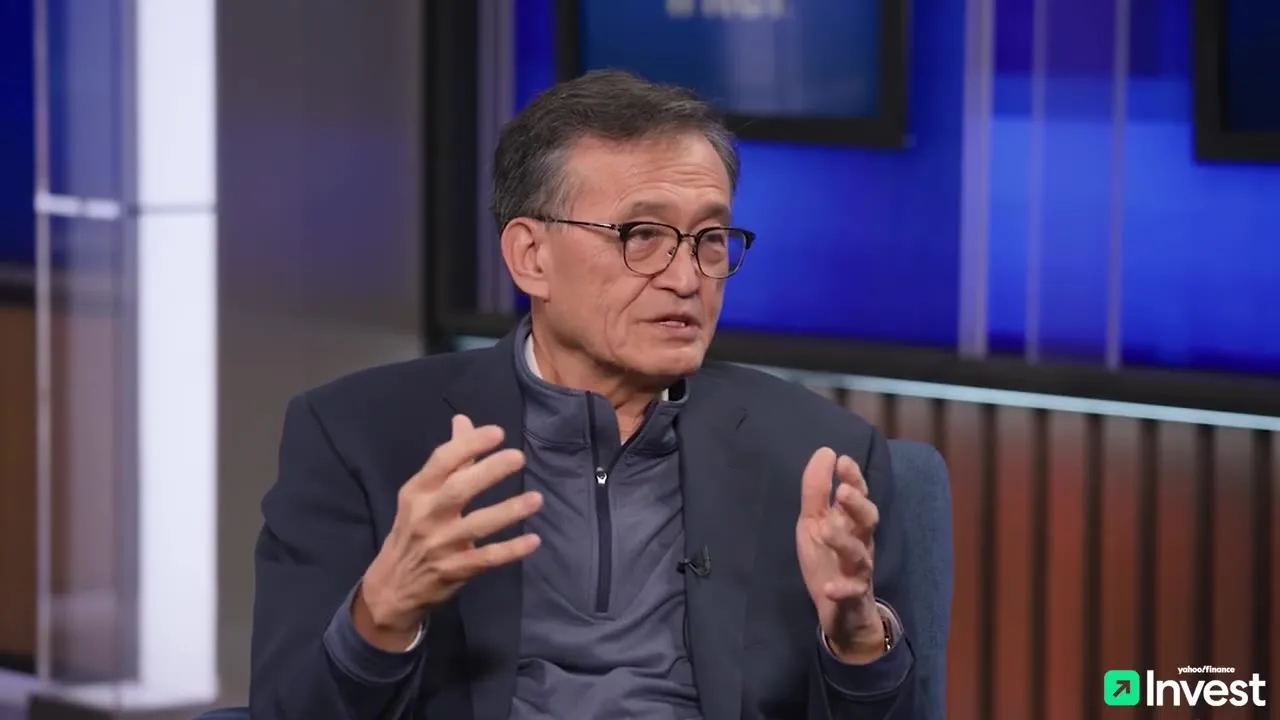
The gap between AI infrastructure spending and the revenue it generates leaves the industry exposed to further corrections. The technology's long-term prospects remain intact, but returns on investment could take longer to arrive than investors expect.
In a Yahoo Finance interview on November 12, Intel CEO Lip-Bu Tan said corrections had already emerged over the past few months and that he expected more. Some companies could suffer along the way, he said, making disciplined risk management essential to protecting businesses.
Tan described AI as a lasting technology comparable to the internet. Agents can improve productivity and help complete work faster, but enthusiasm for new technology can also push growth too far. He said corrections can be healthy, allowing expansion to accelerate again over time and leading companies to emerge.
The gap between investment and revenue will take time to close, he said. AI infrastructure requires trillions of dollars in capital, while debt and structured financing are becoming more expensive and challenging. Tan said the spending was worthwhile, but returns would arrive more slowly, requiring patience over revenue growth and business transformation.
Memory supply and power availability are also constraints. Tan said memory prices had risen six to seven times, with buyers potentially unable to secure supplies even when willing to pay. He expected memory constraints to worsen next year and identified power as another significant obstacle.
Security becomes increasingly important as millions of AI agents operate, Tan said, warning that poorly controlled agents could cause greater damage. The concentration of AI activity among a few companies also increases investor risk, requiring careful planning across short-, medium- and long-term horizons.
Shifting computing requirements present an opportunity for Intel, he said. GPUs have proved successful in AI training, while CPUs can be better suited to inference, agentic AI and orchestration. Tan said the GPU-to-CPU ratio had moved from 8 to 1 toward parity, with CPUs outnumbering GPUs in some cases. Providing computing resources to agents as well as people would support demand for CPUs, GPUs and accelerators tailored to different workloads.
Intel's collaboration with NVIDIA combines the companies' engineering strengths, Tan said. Discussions with Jensen Huang led to engineering cooperation, including the adoption of NVIDIA's NVLink high-speed interconnect technology. Joint development spans multiple years, with products to be announced together when ready. NVIDIA invested $5 billion in Intel, he added.
Tan described foundry operations as a business requiring sustained investment and customer trust. He reviewed whether Intel should remain in the business when he took over and persuaded the board to continue. He identified advanced packaging as an important capability as AI systems become larger and more complex.
Customers must be able to trust a foundry with chip production on which their own revenue depends, Tan said. He has focused on yields, defect density and process variation. Intel's 18A process is now in volume production, and his attention has shifted to 14A. Using processes for Intel's own products first, alongside providing the intellectual property and connectivity needed for customers' low-power and high-performance applications, is also important, he said.
Inside Intel, Tan wants less bureaucracy and a culture that prioritizes innovation, speed and listening to customers. Engineers can focus on the first 90% of development and neglect the final 10%, he said, even though that final stretch determines quality, yield, reliability and customer trust.
Customer commitments determine capital spending, Tan said. He said he would not spend without those commitments, and that rising capital expenditure reflected the need to prepare equipment and manufacturing facilities. Intel's turnaround remains a multiyear effort, with investment discipline central to pursuing AI opportunities.
Riza Dagoc
Riza Dagoc reports on regulation, investing and the digital-asset business for TokenPost. Send corrections or tips to info@tokenpost.com.