
 Add as a preferred source on Google
Great Britain Spent £3.1 Billion Balancing Its Power Grid in 2025/26
Wind constraints led to 13% of Great Britain’s wind being turned off. The government plans a tender for a market to increase electricity use in constrained areas in 2026.

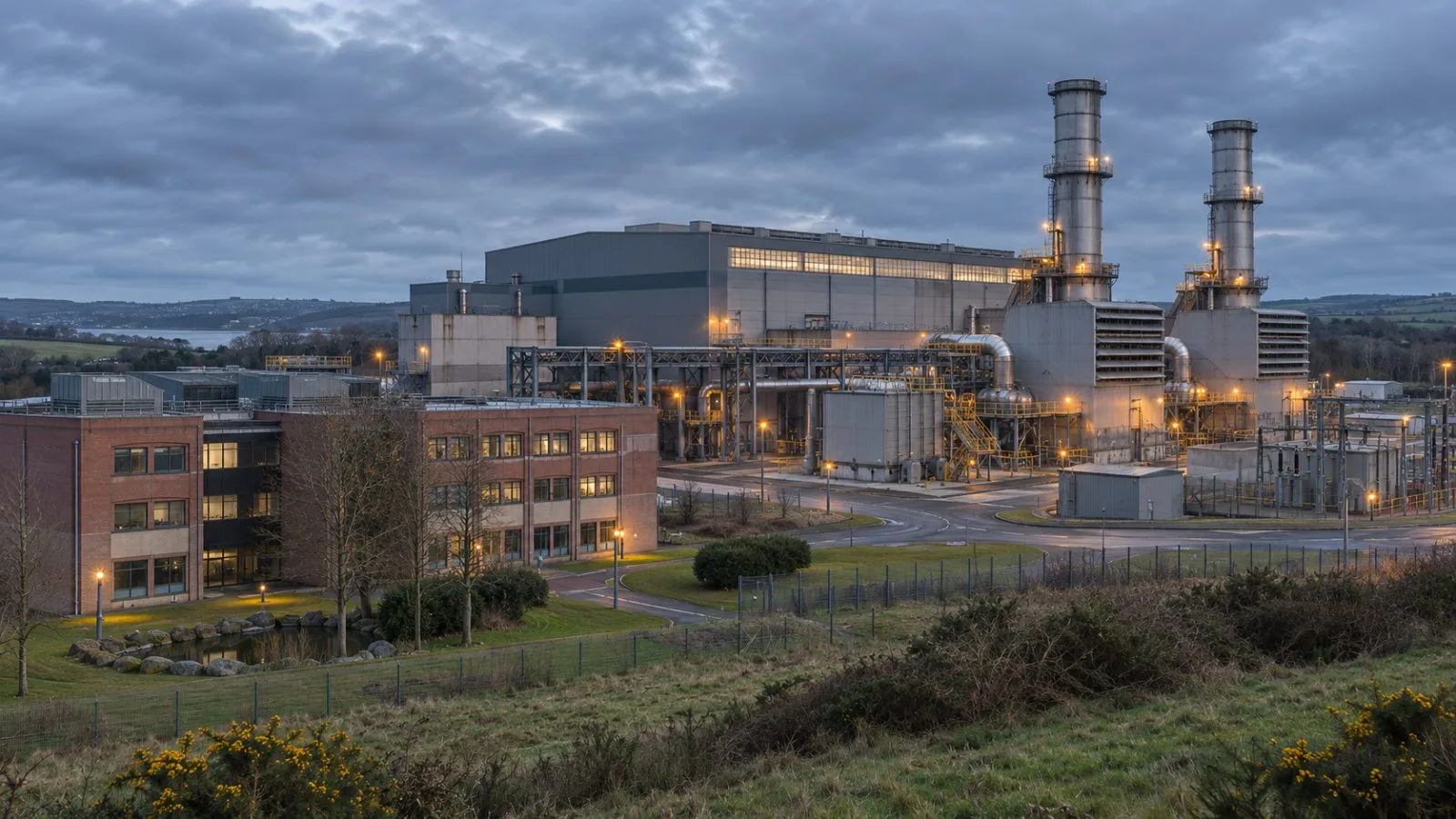
Great Britain spent £3.1 billion balancing its electricity system in 2025/26, a 16% increase from the previous year as grid constraints limited how much wind power could reach consumers.
Just under £500 million went to wind farms to reduce output. Constraints led to 13% of Great Britain’s wind being turned off. About 75% of thermal constraint costs covered replacement energy, predominantly from gas units.
A grid constraint occurs when the network cannot move available electricity to where it is needed. The National Energy System Operator (NESO) can pay generators in areas with surplus power to cut output and others closer to demand to produce more. Those balancing costs are passed on to consumers.
“Gas is the biggest part of the cost,” NESO chief economist Mike Thompson said. The annual total includes costs from actions to manage both the surplus side of the grid and the need for replacement power.
For comparison, NESO spent £2.7 billion balancing the system in 2024/25, including £1.78 billion in constraint costs. The figures cover different fiscal years from the 2025 calendar-year estimate that Scotland accounted for 96% of Great Britain’s curtailed renewable power.
The grid needs roughly 10 gigawatts more transfer capacity between Scotland and England to meet current demand. The figures add annual context to high payments to British gas plants during a low-wind evening.
The government is developing a “Demand for Constraints” market that would let NESO seek more electricity use in constrained areas. A tender is planned for 2026, with delivery from 2028.
John Kim
John Kim reports on the digital-asset business for TokenPost. Send corrections or tips to info@tokenpost.com.