
 Add as a preferred source on Google
Middle East Conflict Removes 2.8 Billion Barrels From Oil Supply
Natural gas supply losses have reached 60 billion cubic meters. The IEA’s scenarios show how a prolonged disruption could affect demand and shipping routes.

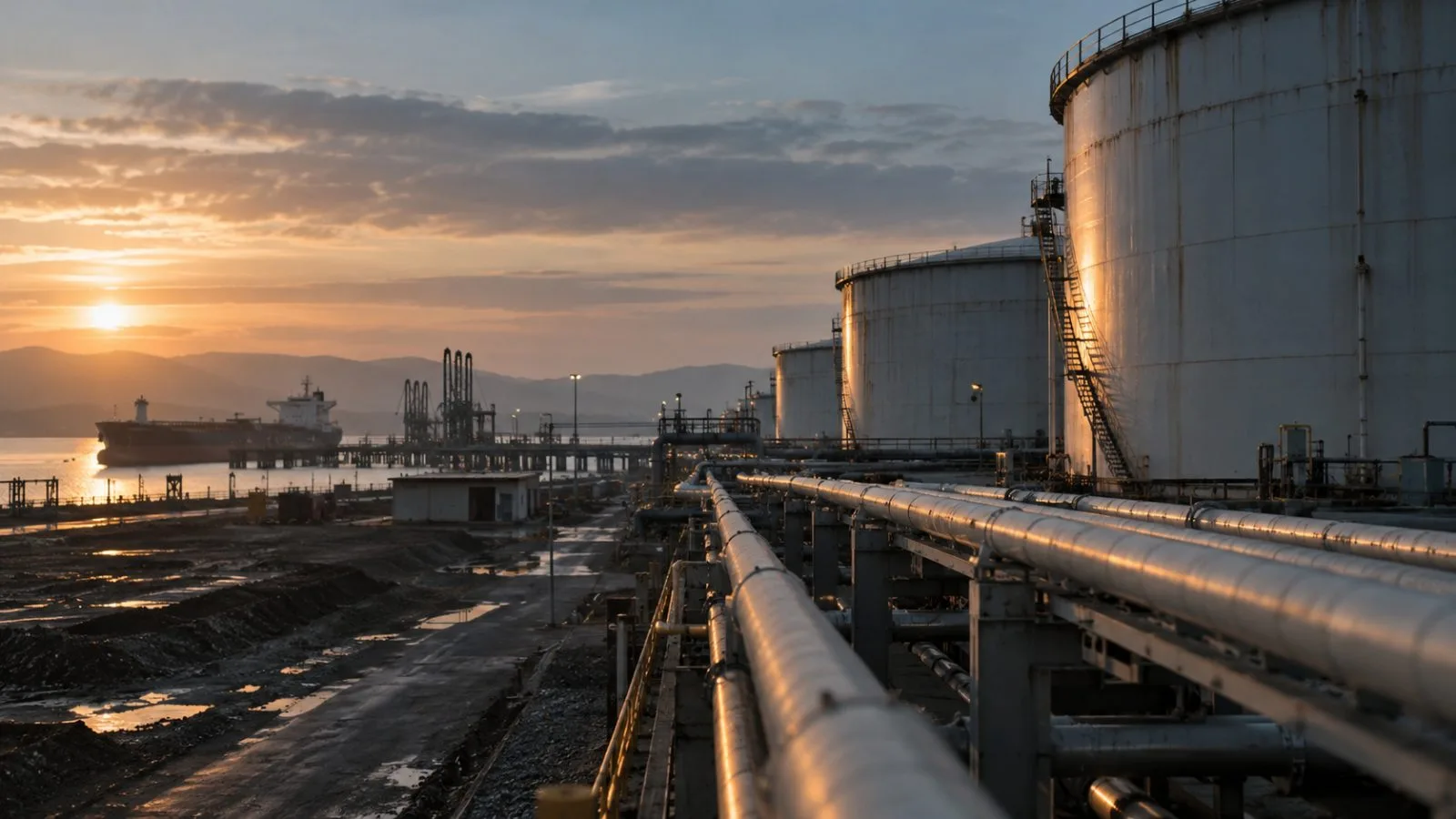
The Middle East conflict has removed 2.8 billion barrels of oil and 60 billion cubic meters of natural gas from global supply. The scale of the disruption puts government energy policies and alternative shipping routes at the center of the outlook for future demand.
Under the Current Policies Scenario, oil and gas demand continue to grow, with petrochemicals replacing road transport as the main driver of oil demand. In the Stated Policies Scenario, which reflects ambitions rather than firm commitments, oil demand levels off at about 103 million barrels per day before gradually declining. Natural gas demand rises into the mid-2030s and then plateaus.
The outlook’s Additional Response Case models a longer supply disruption and further efforts to secure energy supplies. In that scenario, oil demand could decline by an additional 4 million barrels per day by 2035 compared with the Stated Policies Scenario.
International Energy Agency head Fatih Birol said the Hormuz crisis had delivered a major shock and that its effects would deepen the longer the disruption lasts. The search for alternative routes could reduce flows through the Strait of Hormuz from 20 million barrels per day before the war to 8.5 million in 2030 and less than 2 million in 2035 under the extreme case.
Even in that extreme case, the Middle East would remain the largest exporter of oil to international markets.
John Kim
John Kim reports on the digital-asset business for TokenPost. Send corrections or tips to info@tokenpost.com.