
 Add as a preferred source on Google
Saudi Arabia Makes Vision 2030 Spending More Selective
The kingdom is reassessing major projects as third-quarter real GDP contracted 3.8% and oil activity fell 20.4%.

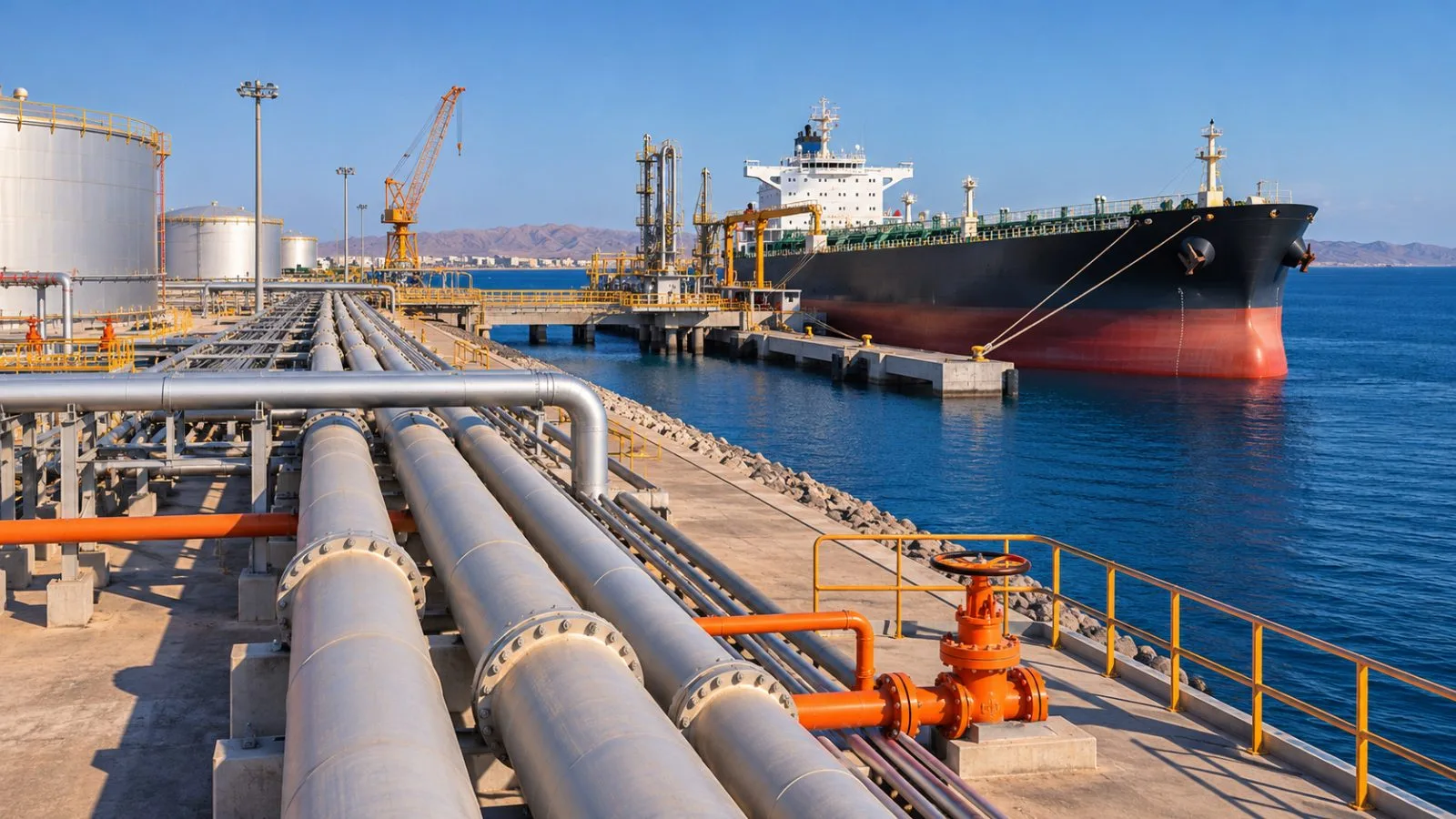
Saudi Arabia is making Vision 2030 spending more selective and focused on efficiency, returns and essential services as economic contraction and regional security risks pressure its diversification strategy.
Economy Minister Faisal Alibrahim said Friday that the government was moving from “spending and delivery at any cost” to “spending and delivering at the right cost.”
“The phase we’re in today is one where every riyal is deployed with greater precision,” Alibrahim said.
The shift follows a 3.8% year-over-year contraction in real gross domestic product during the third quarter. Oil activity fell 20.4%, while non-oil activity rose 1.9%.
Saudi Arabia has reassessed the cost and commercial prospects of major initiatives, including the NEOM economic region and its planned “The Line” city. It has withdrawn funding from the LIV Golf tournament, halted construction of a planned skyscraper in Riyadh and postponed hosting the 2029 Asian Winter Games at Trojena, a planned NEOM development.
The kingdom is also facing strikes attributed to Iran-backed Houthi militants. Houthi attacks have affected civilian and economic infrastructure, including the Public Investment Fund tower and Riyadh Airport. The danger from the strikes forced Saudi Arabia to call off its major international investor conference scheduled for November.
“The human cost of crisis has been real, and so has been the economic cost,” Alibrahim said.
He said infrastructure investments helped restore energy production to near pre-crisis levels. Saudi Arabia also shifted its import and export hub from the east to the west by land after airport strikes disrupted transportation, restoring cargo levels.
The Saudi Ministry of Finance expects the economy to contract about 2.1% this year before expanding 10.9% next year. The government is also introducing a 15% minimum effective tax rate on multinational profits, which Alibrahim said would create a clearer environment for private-sector investment.
Akanksha Samdani said Vision 2030 was entering a phase focused on returns. The government is shifting budgetary spending toward essential services and strategic priorities, while the Public Investment Fund is becoming more selective and seeking greater private-sector participation, she said.
Investment continues in manufacturing, logistics, tourism, mining and technology as some larger projects are scaled back or delayed. “The overarching goal of economic diversification remains unchanged,” Samdani said.
John Kim
John Kim reports on the digital-asset business for TokenPost. Send corrections or tips to info@tokenpost.com.