
U.S. Crypto Market Structure Bill Faces High-Stakes 2026 Test Amid Bipartisan Push
U.S. lawmakers are entering a pivotal phase in negotiations over a long-awaited crypto market structure bill, with rare bipartisan momentum colliding with political uncertainty, election pressures, and unresolved poli…

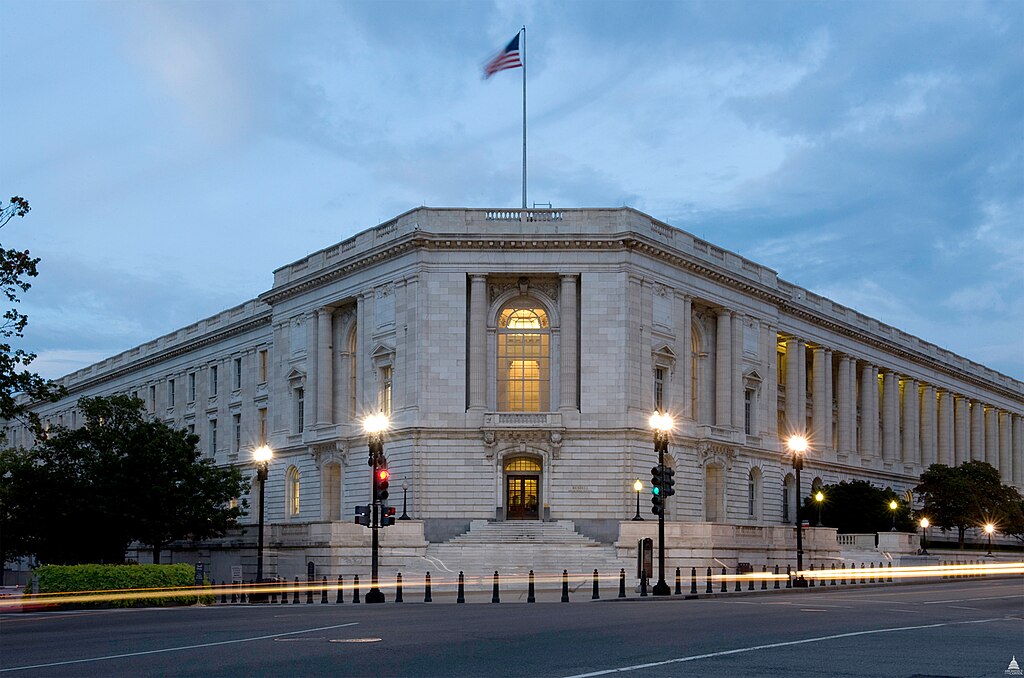
U.S. lawmakers are entering a pivotal phase in negotiations over a long-awaited crypto market structure bill, with rare bipartisan momentum colliding with political uncertainty, election pressures, and unresolved policy disputes. Senators from both parties have shown unusual eagerness to reach consensus on how digital assets should be regulated in the United States, even as broader political tensions and clashes with President Donald Trump continue to dominate Washington.
Following the House of Representatives’ passage of the Digital Asset Market Clarity Act for the second time, the Senate opted to pursue its own parallel legislation rather than amend the House bill. This decision has extended negotiations into January, with Senate Banking Committee Chairman Tim Scott convening lawmakers and crypto industry leaders for further talks. While optimism remains, the road ahead is far from clear.
One immediate obstacle is Congress’ January 30 deadline to resolve federal spending. A government shutdown, similar to previous budget standoffs, could stall crypto legislation and shift lawmakers’ focus away from digital asset policy. Beyond that, the closer negotiations drift toward the 2026 midterm elections, the more political calculations could disrupt cooperation, as lawmakers weigh voter sentiment, alliances, and campaign funding.
Election outcomes could significantly reshape the legislative landscape. A Democratic House majority could return control of the Financial Services Committee to Rep. Maxine Waters, a vocal critic of recent crypto initiatives. An even greater concern for the industry would be a Democratic-led Senate Banking Committee, potentially chaired by Senator Elizabeth Warren, known for her skepticism toward crypto markets.
Despite these risks, crypto’s growing political influence cannot be ignored. Major industry-backed PACs, including Fairshake with more than $100 million in funding, are poised to play a decisive role in upcoming elections, forcing candidates to carefully consider their crypto policy positions.
Key sticking points remain, including Democratic demands for stricter ethics rules tied to government officials’ crypto interests, regulation of decentralized finance, stablecoin rewards, and control over regulatory appointments at the SEC and CFTC. If lawmakers fail to pass comprehensive legislation, crypto firms may instead face a patchwork of regulatory policies that could shift dramatically with future administrations.
As negotiations resume in the new year, the fate of U.S. crypto regulation hinges on whether bipartisan cooperation can withstand political pressure and deliver lasting legal clarity.
Riza Dagoc
Riza Dagoc reports on regulation, investing and the digital-asset business for TokenPost. Send corrections or tips to info@tokenpost.com.