
U.S. Blockchain Regulation and the Future of American Innovation
Congress has taken a meaningful step toward strengthening U.S. blockchain innovation with the Promoting Innovation in Blockchain Development Act of 2026. The bipartisan bill aims to protect open-source software develo…


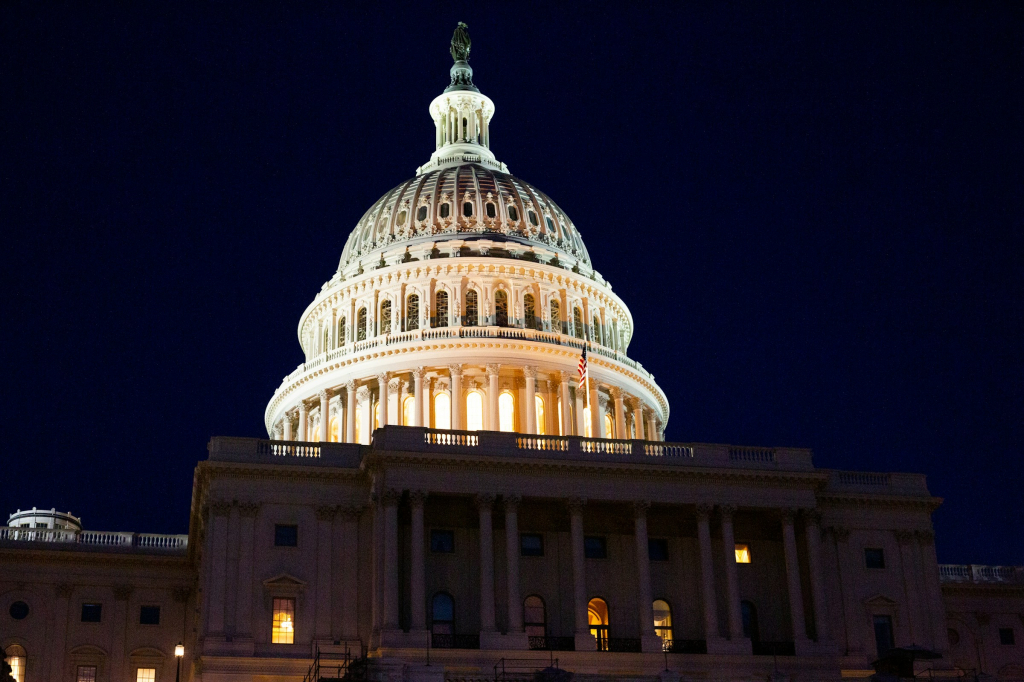
Congress has taken a meaningful step toward strengthening U.S. blockchain innovation with the Promoting Innovation in Blockchain Development Act of 2026. The bipartisan bill aims to protect open-source software developers from being prosecuted under Section 1960, a criminal statute originally designed to combat money laundering, not to regulate blockchain technology. For developers building decentralized systems in good faith, legal uncertainty has created risk and slowed American competitiveness in the global digital economy.
As the United States approaches its 250th anniversary, this legislation reflects a broader principle: America leads when it empowers builders. Throughout history, economic dominance has been tied to infrastructure development. Railroads fueled industrial growth, telecommunications connected national markets, and the internet transformed commerce and capital markets. Today, digital infrastructure built on blockchain networks represents the next foundational layer.
Modern software developers design the systems that move money, power decentralized finance (DeFi), secure digital identity, and enable tokenized assets. These builders are globally mobile and choose jurisdictions with clear cryptocurrency regulation and supportive policies. Open-source blockchain development allows global collaboration, producing the protocols that increasingly underpin payments, financial services, and ownership systems.
Recent data underscores this momentum. The latest Electric Capital Developer Report shows Solana emerging as the fastest-growing blockchain ecosystem for new developers in 2024, expanding 84% year over year. This growth highlights how low-cost, high-performance blockchain infrastructure attracts talent focused on building scalable decentralized applications rather than chasing short-term market hype.
Globally, regulators are moving toward clearer digital asset frameworks, offering predictability to blockchain companies and crypto entrepreneurs. In the U.S., regulatory tone is also evolving, with greater emphasis on engagement and rulemaking clarity. Developers are not asking for deregulation; they want transparent, durable rules aligned with how blockchain technology functions.
Blockchain-based financial infrastructure, sometimes described as internet capital markets, promises faster settlement, broader participation, and stronger resilience. The global economy is already integrating these technologies. The central question is whether the United States will lead blockchain innovation or allow talent and capital to migrate abroad. The future of American competitiveness may depend on getting digital asset regulation right today.
Riza Dagoc
Riza Dagoc reports on regulation, investing and the digital-asset business for TokenPost. Send corrections or tips to info@tokenpost.com.