
Gold Prices Rebound to $5,161 as China Reshapes the Global Gold Market
Gold prices have surged back to $5,161 per ounce following January’s dramatic selloff, with China emerging as the driving force behind the recovery. While speculative traders were shaken out during the crash, physical…

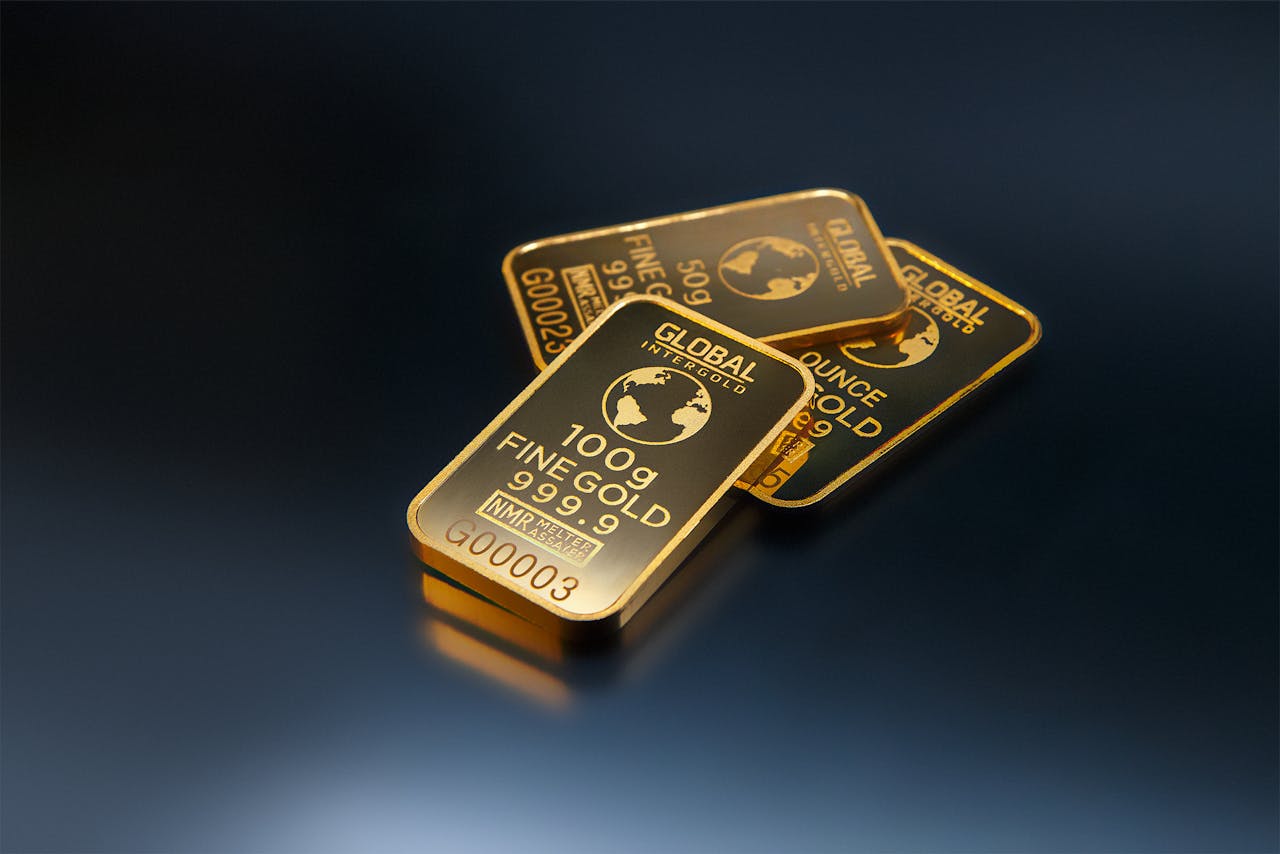
Gold prices have surged back to $5,161 per ounce following January’s dramatic selloff, with China emerging as the driving force behind the recovery. While speculative traders were shaken out during the crash, physical gold demand in China remained resilient, signaling a deeper structural shift in the global gold market.
During the nine-day Spring Festival holiday, Hainan’s zero-tariff policy boosted offshore duty-free sales to 2.72 billion yuan ($390.8 million), up 30.8% year-on-year. January sales climbed to 4.86 billion yuan ($693.5 million), a 46.8% increase. Gold jewelry and investment-grade bullion were among the top-selling categories, even as domestic gold prices rose above 1,500 yuan per gram. Popular brands such as Chow Tai Fook and Laopu Gold launched aggressive promotions, drawing strong consumer traffic.
Price differences remain a key driver. Gold in Hainan reportedly sells for around 1,250 yuan per gram compared to 1,430 yuan on the mainland, allowing buyers to save up to 14,000 yuan on a 40-gram bracelet when subsidies are applied. The trend highlights a broader shift in China’s consumer economy: rather than spending on luxury goods, middle-class households are increasingly using gold as a hedge against economic uncertainty.
Meanwhile, Beijing is advancing plans to expand its influence over global gold pricing. Hong Kong aims to increase gold storage capacity to more than 2,000 metric tonnes within three years and launch a state-backed gold clearing system. Integration between the Shanghai Gold Exchange and Hong Kong’s market is expected to strengthen China’s role in international bullion trading.
Despite January’s 9% gold price drop and heavy ETF outflows, Shanghai Gold Exchange premiums widened to $30–$32 above London spot prices, underscoring persistent physical demand. With gold representing just 1% of Chinese household assets—potentially rising to 5%—China’s long-term gold demand could continue to reshape the global bullion market.
Riza Dagoc
Riza Dagoc reports on regulation, investing and the digital-asset business for TokenPost. Send corrections or tips to info@tokenpost.com.