

 News
News  Coin Information
  About us
  Customer Service


 Add as a preferred source on Google

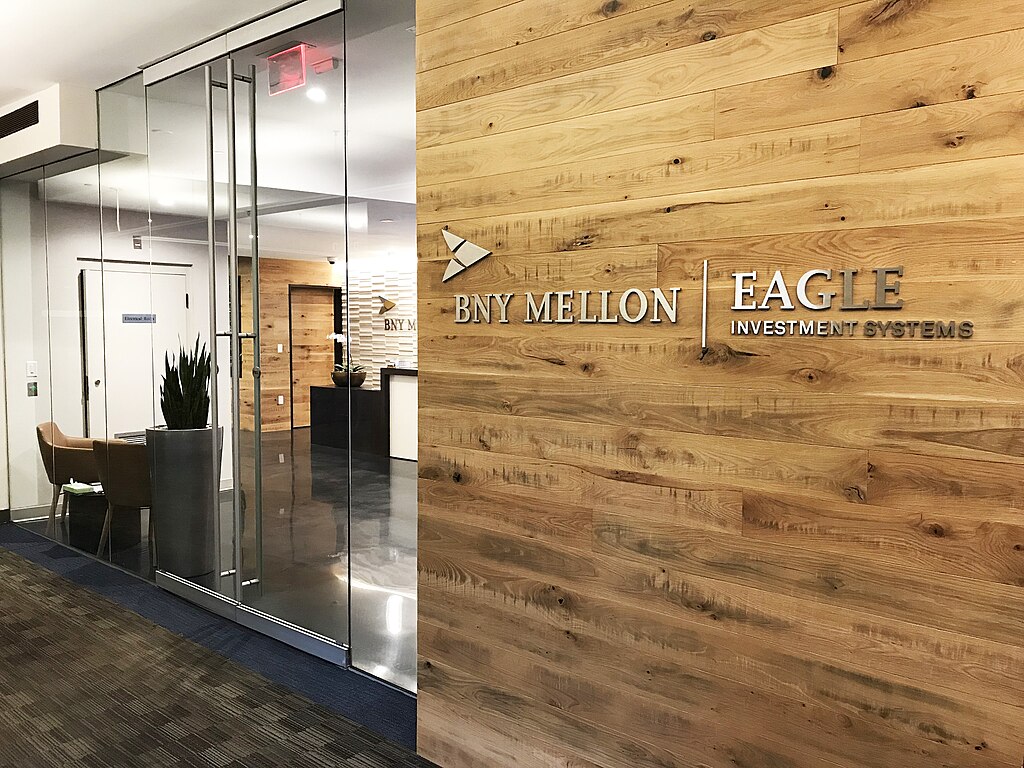
BNY chief executive Robin Vince believes that established financial institutions, not decentralized networks, will power the next major phase of cryptocurrency adoption. Speaking at the Digital Asset Summit in New York, Vince positioned large banks as essential bridges connecting traditional finance with the rapidly evolving digital asset ecosystem.
"We can act as a very effective bridge between the traditional finance and the digital finance ecosystems," Vince said, pushing back against the notion that crypto will bypass incumbent institutions. Rather than viewing decentralized finance as a threat, he argued that banks bring something the crypto space genuinely needs: trust, infrastructure, and an existing client base ready for adoption.
BNY was among the earliest major custodians to offer digital asset custody services, and Vince framed that decision as consistent with the bank's long history of embracing emerging technologies. He described BNY not just as a participant in the digital asset space, but as an "adoption vehicle" capable of onboarding both institutional clients and digital asset providers simultaneously.
Tokenization emerged as a central theme in Vince's remarks. BNY has already developed digital tokens representing new share classes for money market funds, and Vince sees inefficient markets like loans and real estate as prime candidates for early tokenization gains. These are areas where blockchain-based solutions could streamline processes that have historically been slow and operationally complex.
Despite his optimism, Vince was candid about the obstacles ahead. Regulatory clarity remains a critical prerequisite for broader institutional participation. Without clear rules governing digital assets, he warned, the majority of the financial services industry will stay on the sidelines. U.S. lawmakers are currently working to advance key legislation, though unresolved issues around stablecoin yield continue to slow progress.
Vince summed up his long-term outlook plainly: meaningful change in this space will unfold over five to fifteen years, shaped equally by technological advancement, regulatory development, and growing market participation.

















Comment 0